
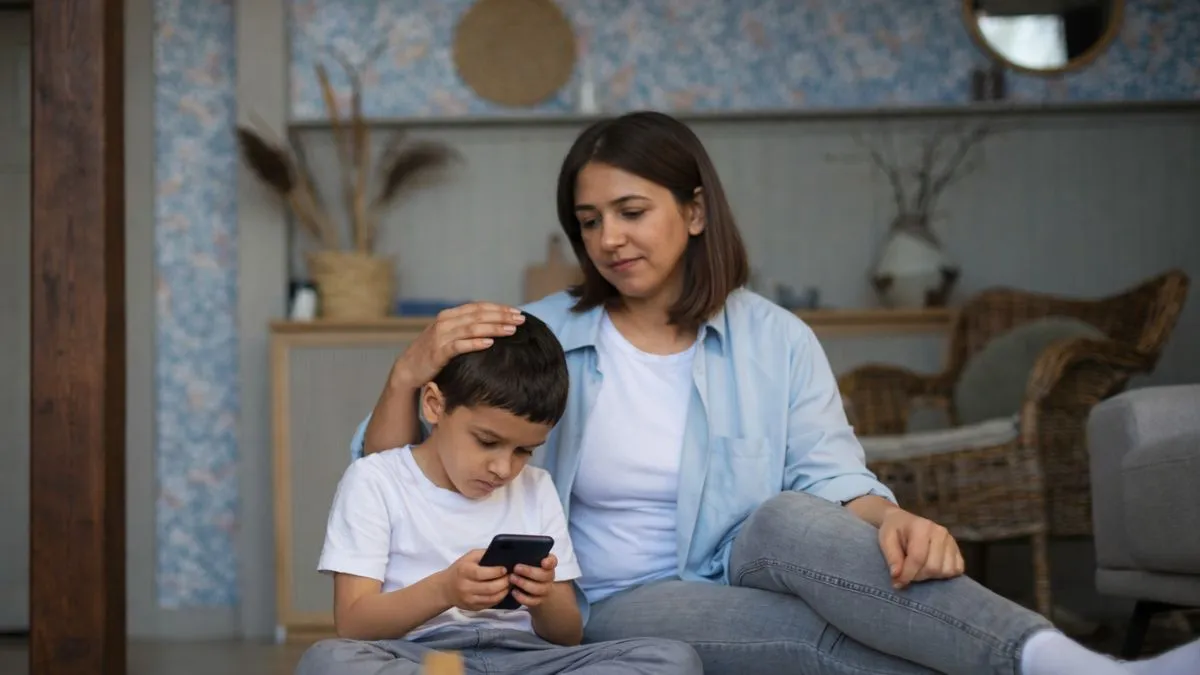
Experts clarify that screen time does not cause autism, but excessive use may lead to developmental delays that resemble it. The key to healthy child development lies in real-world interaction, communication and balanced routines.
New Delhi:
As more children are being diagnosed with Autism Spectrum Disorder (ASD), a question many parents quietly ask is this. Are screens or modern lifestyles to blame?
With children spending more time on phones, tablets and televisions, the concern feels valid. But experts say the answer is not as straightforward as it seems.
First, what autism actually is
Autism is not something that develops because of lifestyle choices.“Autism is a neurological condition that a person is born with. It is not caused by screen time,” explains Dr Chanchal Agrawal, Occupational Therapist and Founder of Walnut Clinic, Pune.
It is a lifelong condition that affects how a person communicates, interacts and experiences the world.
Then why does screen time get blamed?
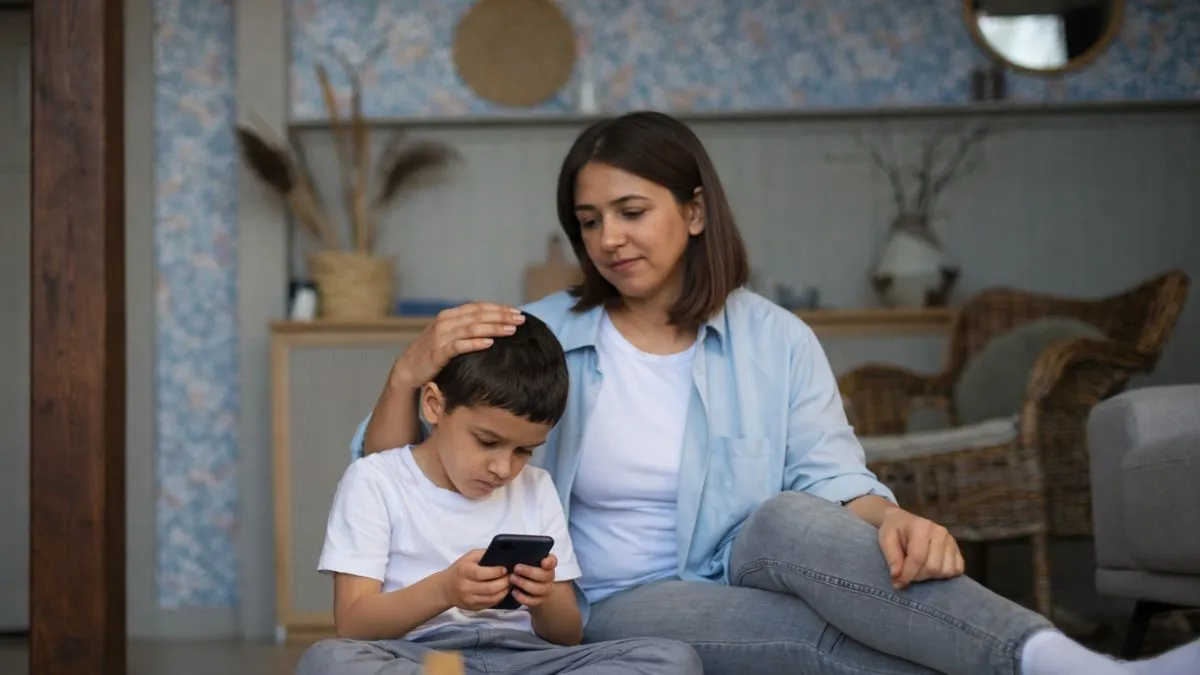
The confusion often comes from something experts refer to as “virtual autism”. This term is used when children show autism-like behaviours due to excessive screen exposure. These may include delayed speech, reduced eye contact and limited social interaction.“When children spend more time with screens than with people, they miss out on important back-and-forth communication that helps the brain develop,” says Dr Agrawal.
In simple terms, the issue is not the screen itself, but what it replaces.
The role of human interaction in early development
In the early years, a child’s brain develops through interaction. Talking, playing, making eye contact and responding to expressions all help build communication and social skills. These small, everyday moments are essential.
“The human brain is a social organ. Children need real-life interaction to learn and grow,” Dr Agrawal explains. Screens, no matter how educational, cannot fully replicate this.
Can screen-related delays be reversed?
This is where things differ from autism. Children showing developmental delays due to excessive screen use often improve when their routine changes. Reducing screen time and increasing real-world interaction can lead to noticeable progress in speech and behaviour. “That is why it is important to distinguish between autism and delays caused by lifestyle habits,” says Dr Agrawal.
Why autism cases seem to be rising
The increase in autism diagnoses is real, but not necessarily because more children are developing the condition. Experts have also cited that better awareness, along with improved screening and early diagnosis, are significant contributing factors to this increase. What parents can focus on instead of focusing on the use of screens is achieving a balance. Parents should encourage more face-to-face interactions, playtime, and communication. Parents should be more present, communicate more, and help create opportunities for children to explore the world around them. Even simple activities like storytelling, playing, or simply looking into the eyes of the person they are talking to can help in the healthy development of a child.
While it is true that today’s world consists of a number of screens, it is not true that this leads to the occurrence of autism. What affects a child’s development most is the kind of connection that parents are able to create. The kind of connection that parents are able to create through conversations and interactions. Because, in the end, it’s not really about how little time a child spends looking at a screen. It’s really about how much time a parent can create for a child to connect.