

Introduction
In recovery, many people expect life to steadily improve once substances are removed. Yet instead of energy and enthusiasm, a deep lack of motivation can appear. Getting out of bed feels harder. Goals feel distant. Even things that once mattered no longer spark interest. This often leads to a troubling question: Is this normal in recovery, or is it depression?
Understanding the difference is essential—not to label yourself, but to know how to respond with compassion and the right support.
Why Motivation Often Drops During Recovery
In early and mid-recovery, the brain is still healing. Substances that once flooded the brain with dopamine and artificial rewards are gone. As a result, the natural motivation system temporarily runs low.
This phase is sometimes called anhedonia—a reduced ability to feel pleasure. During this time:
-
The brain’s reward pathways are recalibrating
-
Everyday tasks feel unrewarding
-
Progress feels slow, even when it’s real
This loss of motivation can feel alarming, but it doesn’t automatically mean depression.

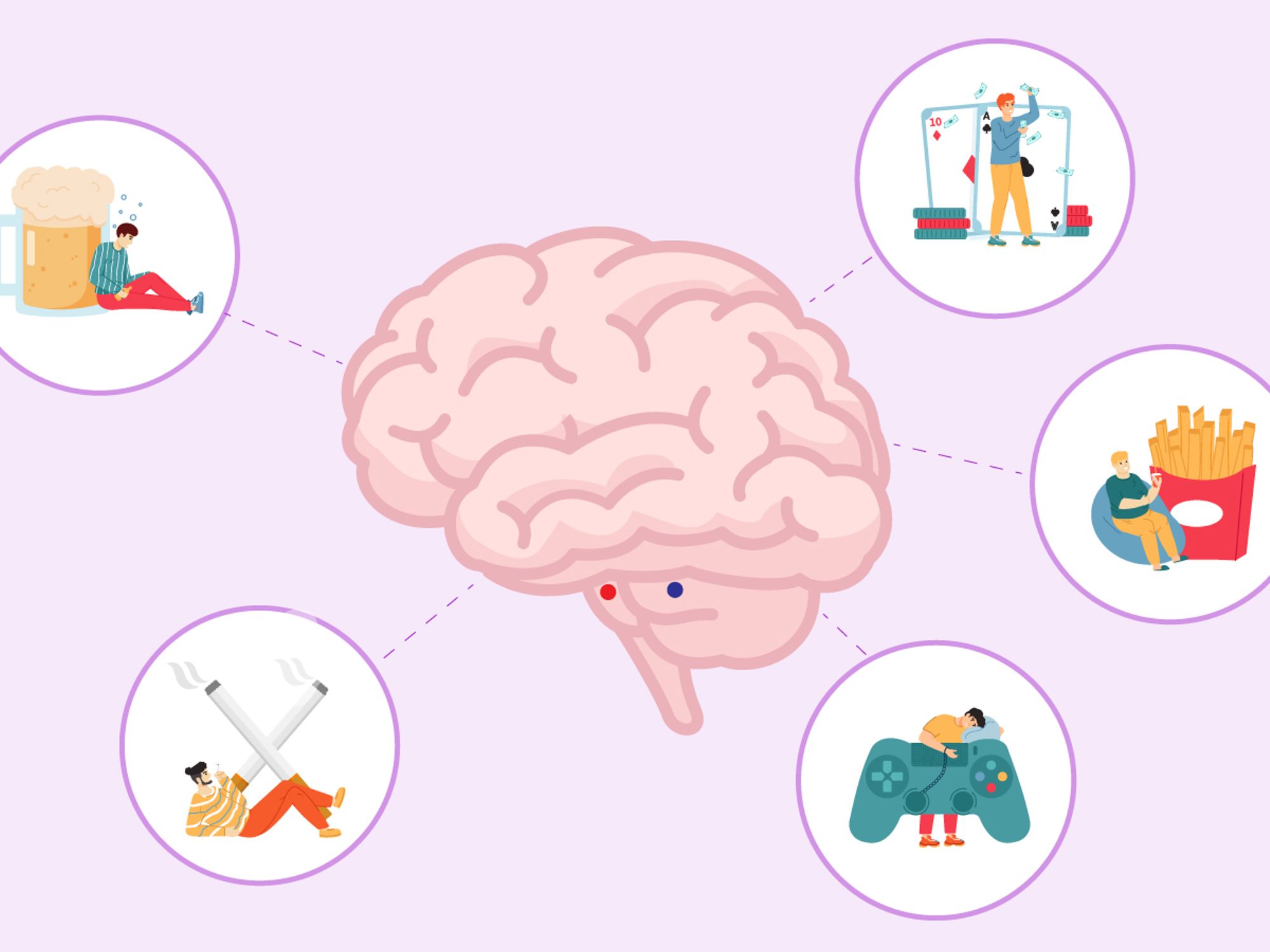

Image caption: During recovery, the brain’s motivation system needs time to rebalance.
When Lack of Motivation May Be Depression
While low motivation is common in recovery, it can cross into depression when it’s persistent and paired with deeper emotional symptoms.
You may be dealing with depression if the lack of motivation comes with:
-
Ongoing sadness or emotional numbness
-
Feelings of hopelessness or worthlessness
-
Changes in sleep or appetite
-
Difficulty concentrating
-
Loss of meaning or purpose
The key difference is duration and depth. Temporary emotional flatness often improves gradually. Depression tends to linger and affect how you see yourself and the future.
Why This Matters for Relapse Prevention
Low motivation is one of the most dangerous hidden risks in recovery. When life feels dull or empty, the brain remembers substances as a shortcut to relief—even if logic says otherwise.
This doesn’t mean you’re weak. It means your brain is searching for balance.
Addressing motivation loss early can:
-
Reduce relapse risk
-
Improve emotional stability
-
Restore confidence in the recovery process

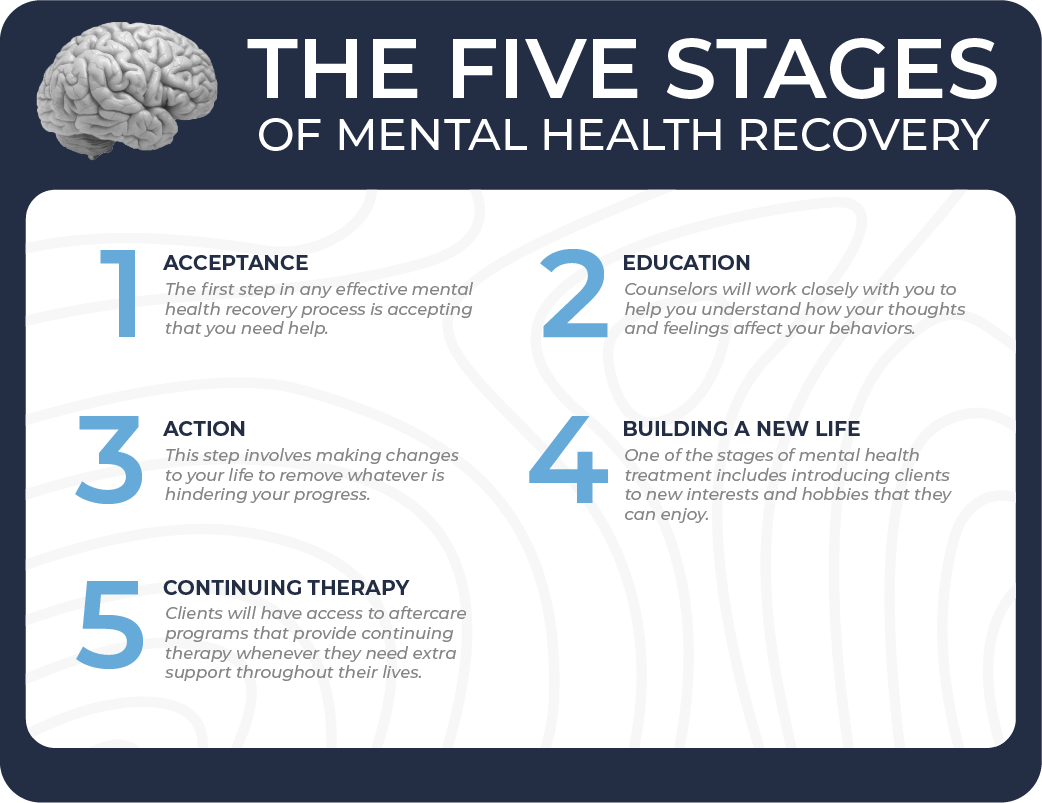

Image caption: Support and understanding can turn emotional numbness into gradual hope.
What Helps When Motivation Is Low
Whether the cause is brain healing or depression, gentle action matters more than force.
Helpful steps include:
-
Lower expectations: Small steps still count
-
Structure your day: Routine creates momentum
-
Move your body: Even light movement boosts dopamine
-
Talk about it: Silence makes symptoms heavier
-
Seek professional support: Therapy can clarify whether depression is present
Most importantly, remember that motivation often follows action—not the other way around.
Final Thoughts
Lack of motivation in recovery is common, confusing, and deeply discouraging—but it is not a failure. Sometimes it’s part of the brain’s healing process. Sometimes it’s depression asking for care and attention.
Either way, it’s a signal—not to give up, but to slow down, reach out, and respond with compassion. Recovery isn’t just about staying sober. It’s about learning how to live again, even when the spark feels temporarily dim.