
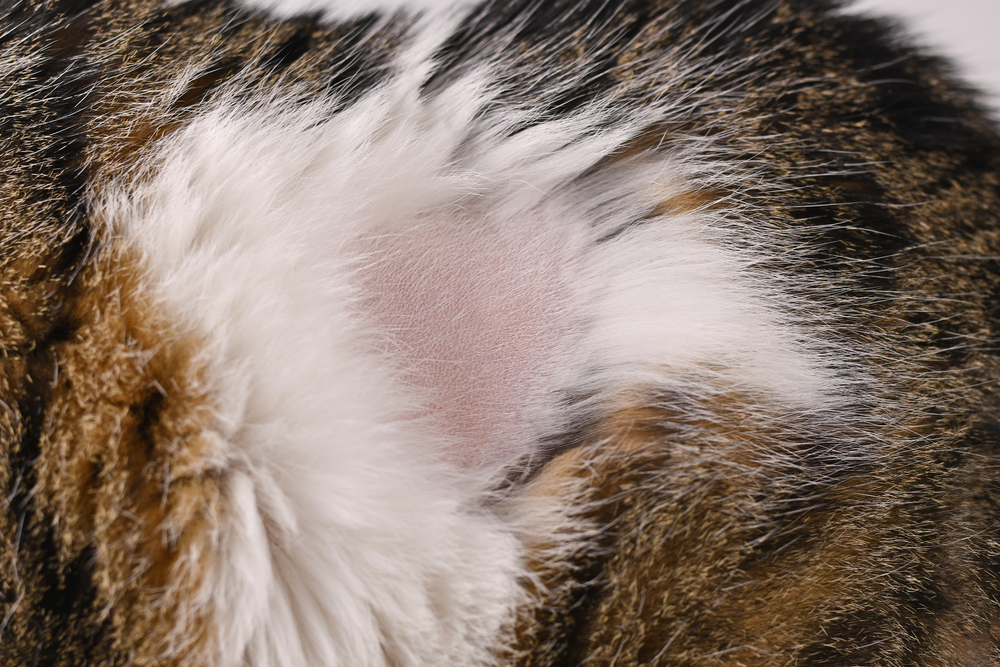
If your dog is losing fur evenly on both sides of the body—for example along the flanks, hips, or trunk—this pattern is a major clue. Symmetrical hair loss is rarely random and often points to an underlying hormonal (endocrine) disorder rather than allergies or parasites.
This article explains what symmetrical fur loss means, the most likely hormonal causes, how to tell if it’s serious, and what to do next.
What Does “Symmetrical Hair Loss” Look Like?
You may notice:
-
Hair thinning or bald patches on both sides of the body
-
Fur loss along the flanks, hips, belly, or chest
-
Little to no itching or redness
-
Skin becoming darker, thinner, or shiny
-
Gradual progression over weeks to months
👉 The key feature is balance—both sides look nearly the same.
Why Symmetry Matters
Skin issues like:
-
Fleas
-
Mites
-
Allergies
usually cause itching, redness, and irregular hair loss.
Hormonal problems, however, affect the entire body system, leading to even, patterned hair loss with minimal itching.
Most Common Hormonal Causes of Symmetrical Fur Loss
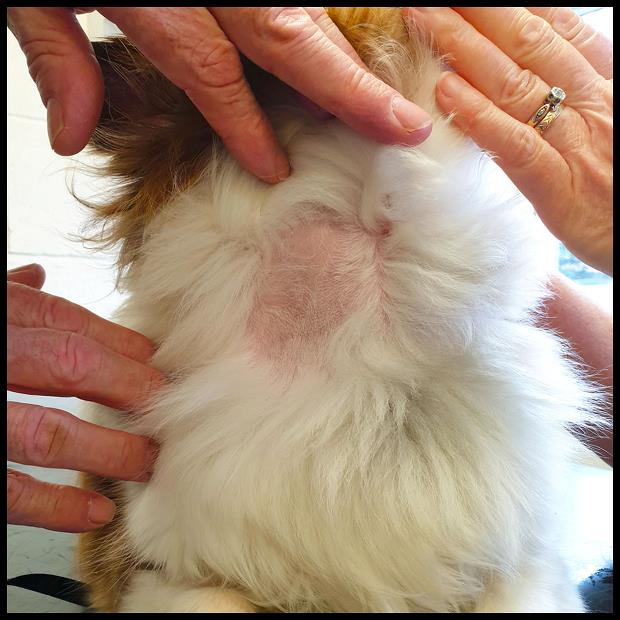
1. Hypothyroidism
✔ One of the most common endocrine disorders in dogs.
-
Low thyroid hormone slows hair growth
-
Fur becomes thin, dull, or falls out
-
Often affects trunk and tail (“rat tail”)
Other signs:
-
Weight gain without overeating
-
Lethargy
-
Cold intolerance
-
Recurrent skin or ear infections
2. Cushing’s Disease (Hyperadrenocorticism)
⚠️ Very common in middle-aged and senior dogs.
-
Excess cortisol disrupts hair follicles
-
Symmetrical hair loss on body (head and legs often spared)
Other classic signs:
-
Increased thirst and urination
-
Pot-bellied appearance
-
Thin, fragile skin
-
Panting
3. Sex Hormone Imbalances
Includes:
-
Estrogen or testosterone imbalance
-
More common in intact dogs
Signs may include:
-
Symmetrical hair loss
-
Darkened skin
-
Changes in genital size or behavior
4. Alopecia X (Breed-Related Hormonal Hair Loss)
Common in Nordic and plush-coated breeds:
-
Pomeranian
-
Chow Chow
-
Husky
Features:
-
Sudden hair loss after clipping
-
Skin darkens
-
Dog otherwise appears healthy
Less Common (But Important) Causes
-
Adrenal tumors
-
Pituitary disorders
-
Chronic steroid use
These require veterinary diagnosis.
When Symmetrical Fur Loss Is a Red Flag

🚨 See your vet if hair loss is paired with:
-
Weight gain or muscle loss
-
Increased thirst or urination
-
Lethargy or behavior changes
-
Darkened, thin, or shiny skin
-
Recurrent infections
Hormonal diseases progress quietly but worsen over time.
What You Should Do Right Now
-
Take clear photos every 2–4 weeks to track progression
-
Note additional symptoms (energy, appetite, drinking habits)
-
Avoid switching foods repeatedly
-
Schedule a veterinary exam and blood work
❌ Don’t assume it’s cosmetic
❌ Don’t rely on supplements alone
How Vets Diagnose Hormonal Hair Loss
Your veterinarian may recommend:
-
Blood tests (thyroid, cortisol)
-
ACTH stimulation or low-dose dex suppression tests
-
Skin scrapings or biopsies (to rule out other causes)
Diagnosis focuses on finding the systemic cause, not just the skin.
Can Hormonal Hair Loss Be Treated?
Yes—many cases respond very well to treatment:
-
Hypothyroidism: daily thyroid medication
-
Cushing’s disease: medical management
-
Hormone imbalances: targeted therapy
Hair regrowth may take weeks to months, but overall health often improves much sooner.
Final Takeaway
Symmetrical fur loss in dogs is one of the strongest clues of a hormonal disorder. While it may start as a cosmetic change, it often reflects deeper imbalances that affect your dog’s long-term health.
🐾 When hair loss follows a pattern, your dog’s hormones are often telling the story. Listening early leads to better outcomes.