
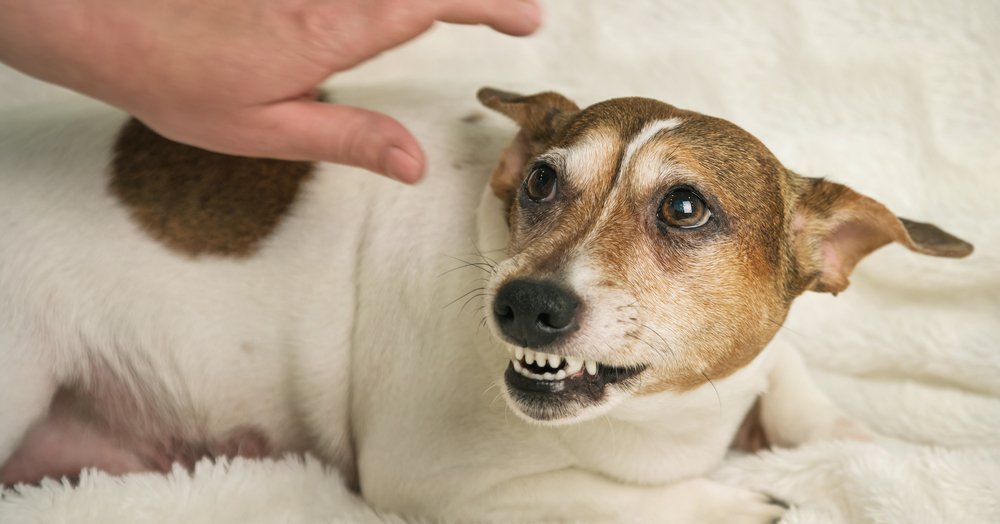
If your dog suddenly flinches, moves away, growls, or avoids you when you touch his ribs, this is an important signal. Dogs naturally tolerate handling from people they trust—so avoiding touch in one specific area often points to pain or discomfort, not attitude or stubbornness.
Let’s look at the most common reasons this happens and when you should be concerned.
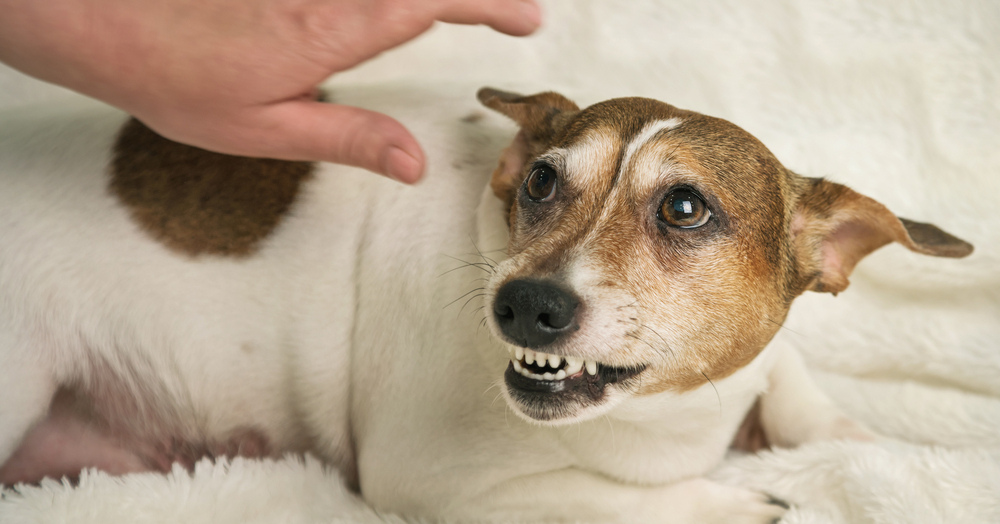
🦴 Common Reasons Dogs Avoid Rib Touching
1. Muscle Strain or Bruising
Dogs can strain rib or chest muscles from:
-
Jumping or rough play
-
Slipping on floors
-
Sudden twisting movements
Muscle pain often causes dogs to guard one side of the body.
2. Rib Injury or Fracture
Even without obvious trauma, dogs can injure ribs due to:
-
Falls
-
Being bumped or stepped on
-
Rough handling
Signs may include shallow breathing, stiffness, or sharp reactions to touch.
⚠️ Rib injuries are painful and require veterinary evaluation.
3. Internal Pain (Chest or Abdomen)
Pain near the ribs may originate from:
-
Lungs or pleura
-
Liver or spleen
-
Gastrointestinal inflammation
Dogs may avoid touch because pressure increases internal discomfort.
4. Skin or Nerve Sensitivity
Conditions such as:
-
Hot spots
-
Skin infections
-
Nerve pain
can make even light touch feel painful or irritating.
5. Fear From Past Experience
If your dog previously experienced pain when touched in that area:
-
During a medical procedure
-
From an injury
-
From rough handling
they may now avoid touch even after healing.
🐕 Warning Signs That Point to Pain
Pay close attention if rib sensitivity comes with:
-
Flinching or snapping
-
Panting or restlessness
-
Reduced appetite
-
Lethargy
-
Changes in breathing
These signs suggest the issue is more than behavioral.
🏠 What You Should Do Right Now
-
❌ Stop touching or pressing the area
-
👀 Observe which side is sensitive and how severe the reaction is
-
🛏️ Limit rough play and jumping
-
🧘 Keep your dog calm and comfortable
Do not attempt to massage or “test” the area repeatedly—this can worsen pain.
🚑 When to See a Veterinarian (Important)
Contact your vet promptly if:
-
Sensitivity appeared suddenly
-
Your dog reacts strongly or aggressively to touch
-
There is limping, labored breathing, or weakness
-
Pain lasts more than 24 hours
Rib and internal injuries should never be ignored.
🐾 Final Thoughts
When a dog avoids being touched on the ribs, it’s usually their way of saying “this hurts.” Dogs don’t fake pain—and guarding one specific area is a strong clue something is wrong. Early attention can prevent serious complications and relieve your dog’s discomfort faster.