
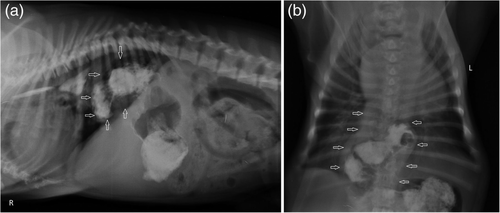
Dogs burp — that’s normal.
But constant, loud, repetitive burping throughout the day is not something to ignore. Many dog owners are surprised to learn that frequent burping can be an early sign of acid reflux, GI inflammation, or food sensitivities.
Below is a comprehensive breakdown of what may be happening, what symptoms to watch for, and what to do next.
1️⃣ What Burping Actually Means in Dogs
Dogs burp when swallowed air escapes from the stomach. In healthy dogs, this is usually rare.
But when burping becomes persistent, it may indicate:
-
Excessive stomach gas
-
Irritation of the esophagus
-
Stomach acid moving upward
-
Difficulty digesting certain foods
This is when acid reflux becomes a concern.
📌 Illustration: Dog experiencing stomach discomfort
2️⃣ Signs Your Dog’s Burping Is Caused by Acid Reflux
Acid reflux (GERD) happens when stomach acid flows back up into the esophagus.
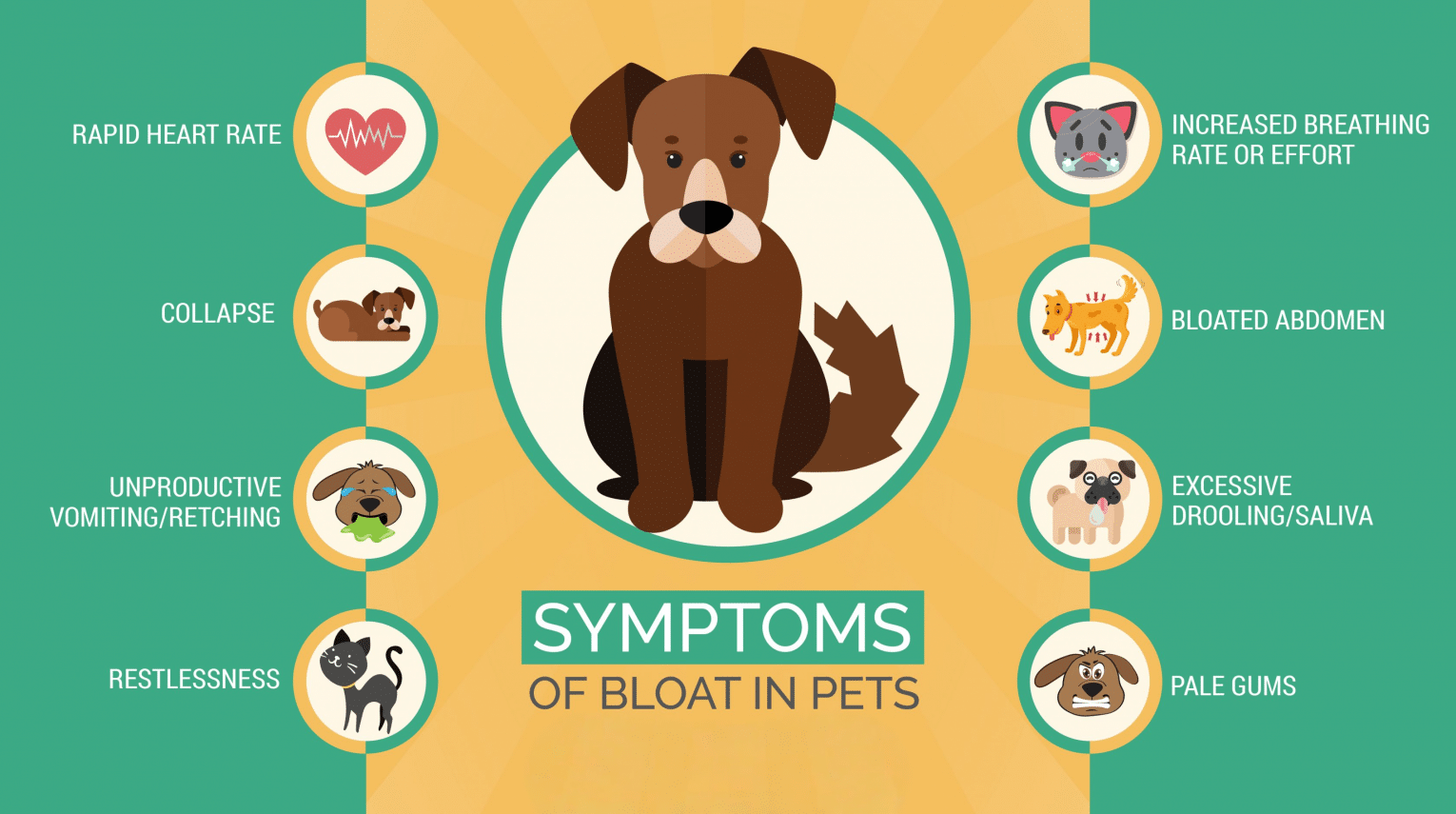
Common symptoms include:
-
Frequent burping throughout the day
-
Gulping and swallowing repeatedly
-
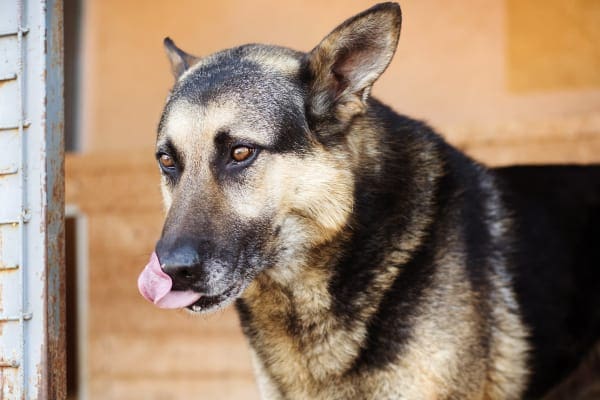
Excessive licking (floor, air, or paws)
-
A sour or acidic smell on the breath
-
Vomiting yellow foam (bile)
-
Irritation when swallowing
-
Restlessness after eating
-
Eating grass compulsively
📌 Illustration: Dog showing reflux-like symptoms
3️⃣ The Most Common Causes of Acid Reflux in Dogs
🔶 1. Eating Food Too Fast
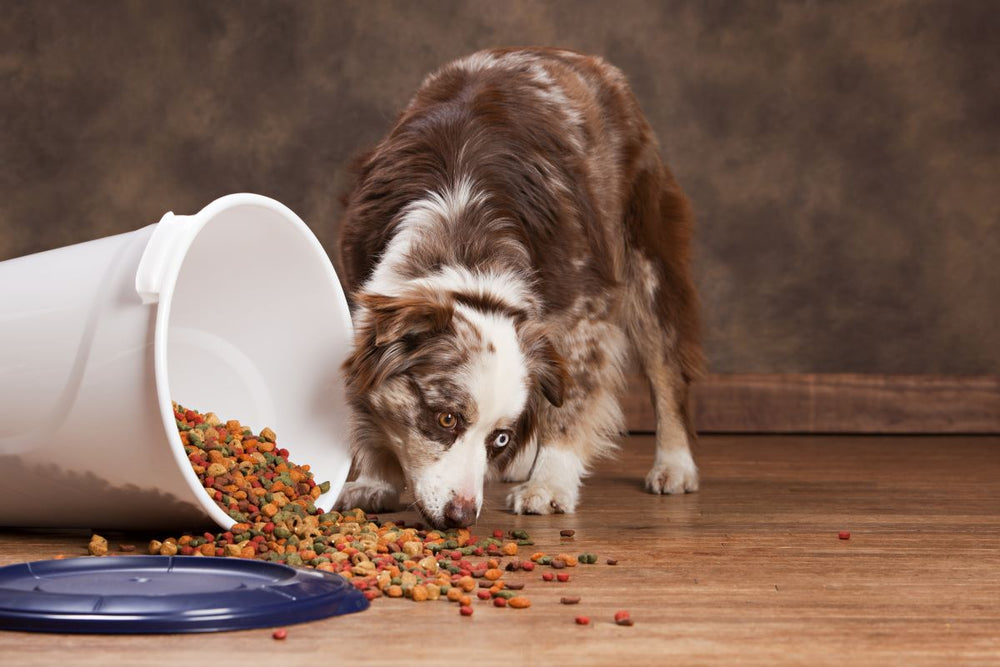
Dogs that inhale their meals swallow lots of air, leading to gas + reflux.

🔶 2. High-fat or spicy foods
Greasy meats or table scraps irritate the stomach lining.

🔶 3. Food Allergies or Sensitivities
Chicken, beef, dairy, or grains may trigger inflammation → burping + reflux.

🔶 4. Gastritis or GI Inflammation
An irritated stomach creates excess gas and acid.
🔶 5. Obesity
Extra fat increases abdominal pressure, worsening reflux.

🔶 6. Hiatal Hernia (Structural Issue)
Common in brachycephalics like Bulldogs, Boxers, Pugs.

4️⃣ What You Should Do Immediately If Your Dog Is Burping Constantly
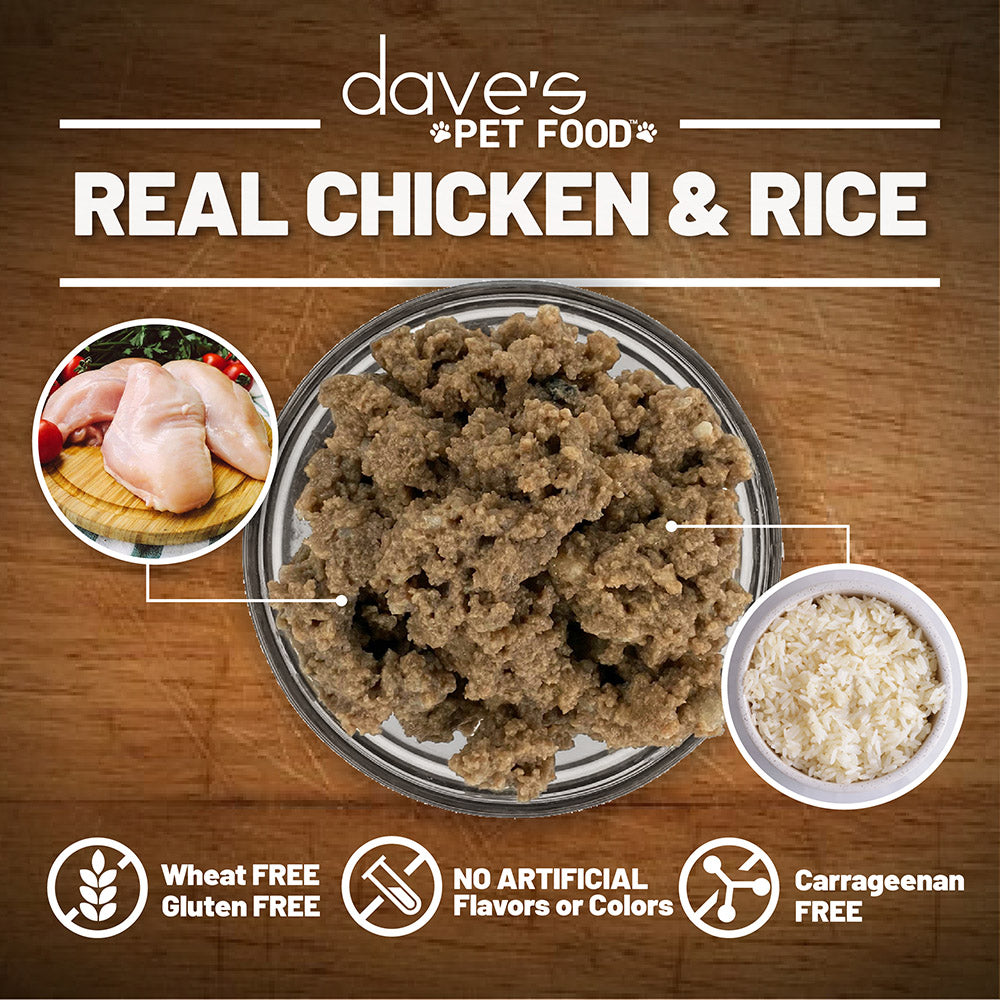
✔️ Step 1: Switch to a temporary bland diet (24–48 hours)
Helps calm inflammation.
-
Boiled chicken
-
White rice
-
Pumpkin puree (optional)

✔️ Step 2: Feed smaller, more frequent meals
Large meals trigger acid production.
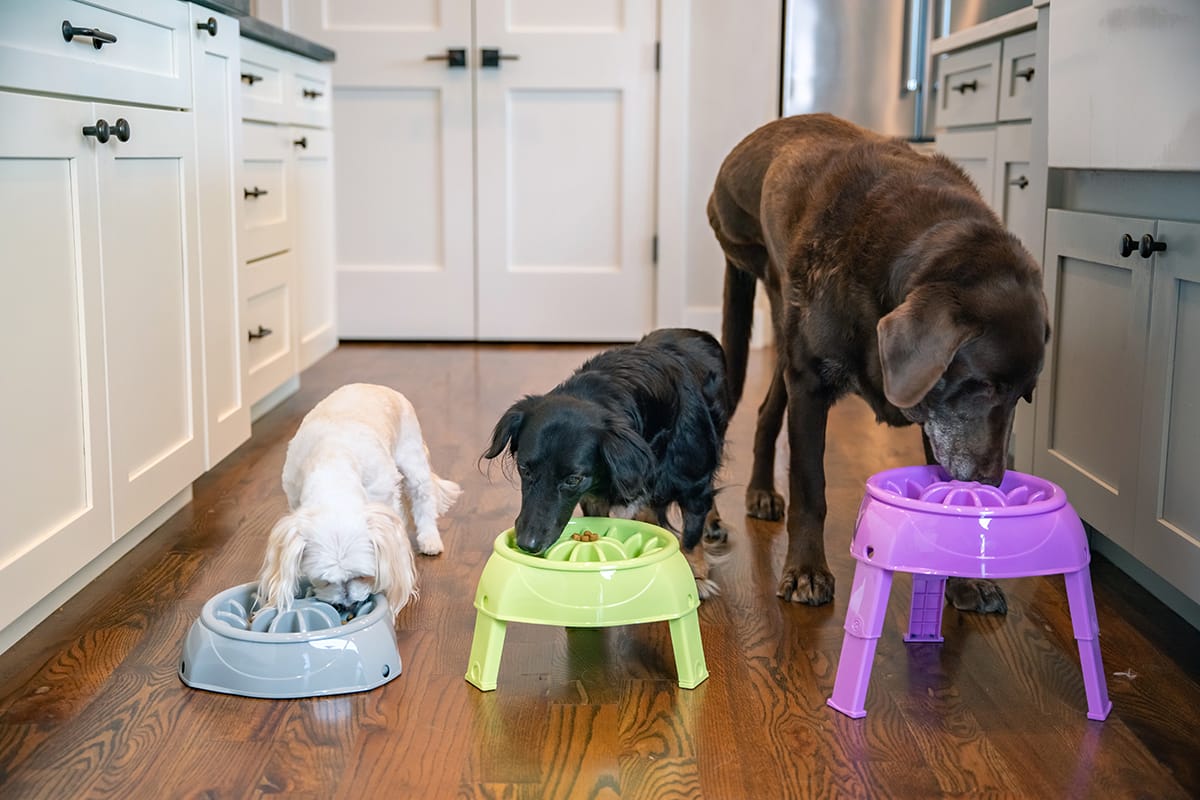
✔️ Step 3: Elevate the food bowl
Reduces swallowed air + helps food move downward.

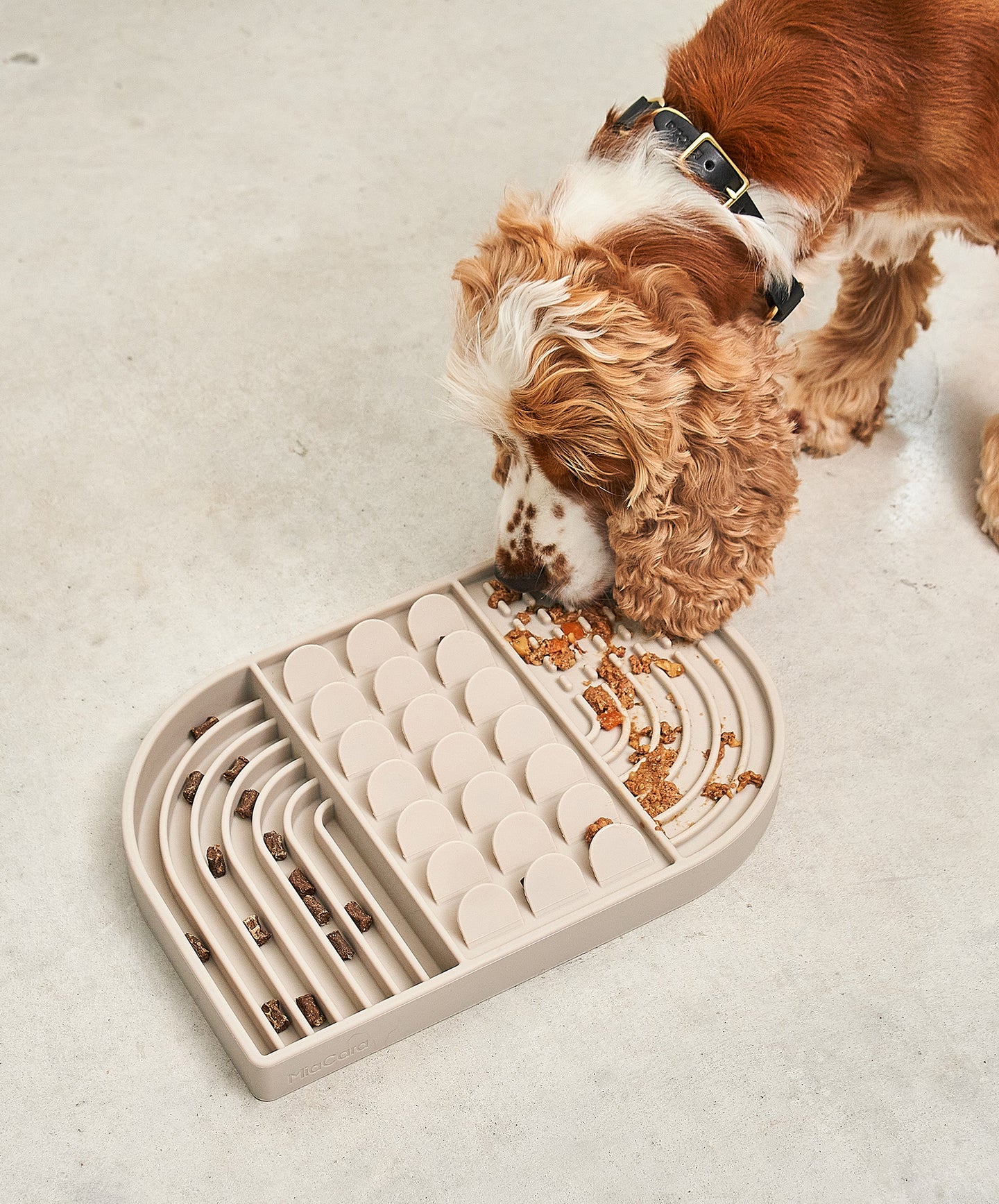
✔️ Step 4: Add a slow-feeder bowl
Perfect for dogs that inhale food.
✔️ Step 5: No meals 3 hours before bedtime
Prevents nighttime reflux episodes.
✔️ Step 6: Monitor for warning symptoms
Burping + these symptoms = vet visit needed:
-
Throwing up bile daily
-
Weight loss
-
Crying when swallowing
-
Sudden refusal to eat
-
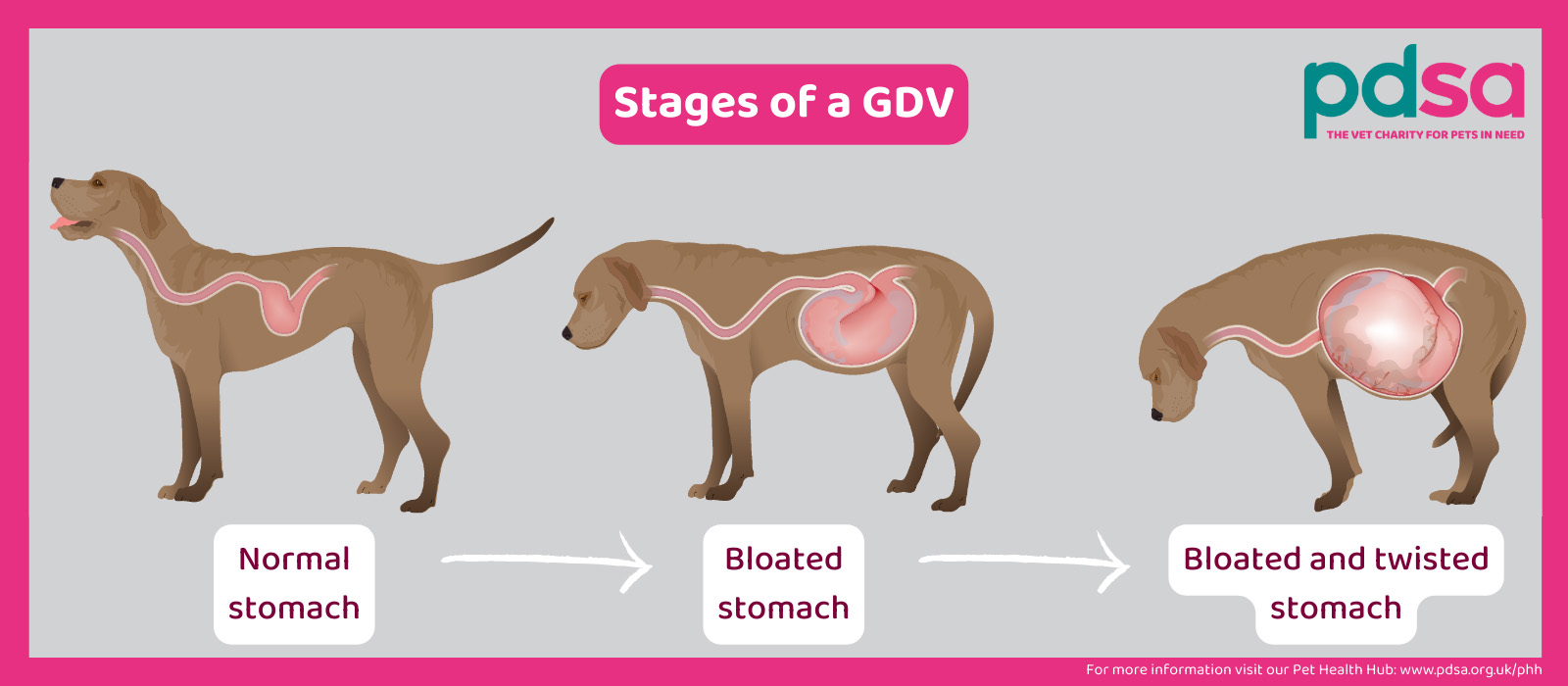
Bloated belly

5️⃣ How Vets Diagnose Acid Reflux
A vet may perform:
-
Physical exam
-
Diet + history review
-
X-rays / Ultrasound
-
Blood tests
-
Endoscopy (for severe cases)
-
Trial with antacid medication
Reflux often improves quickly with the right treatment.
6️⃣ Can You Prevent Acid Reflux Long-Term?
Yes — with the right habits:
-
Feed a stable, sensitive-stomach diet
-
Avoid table scraps
-
Maintain healthy weight
-
Provide slow-feeder bowls
-
Space meals throughout the day
-
Keep feeding routine consistent