
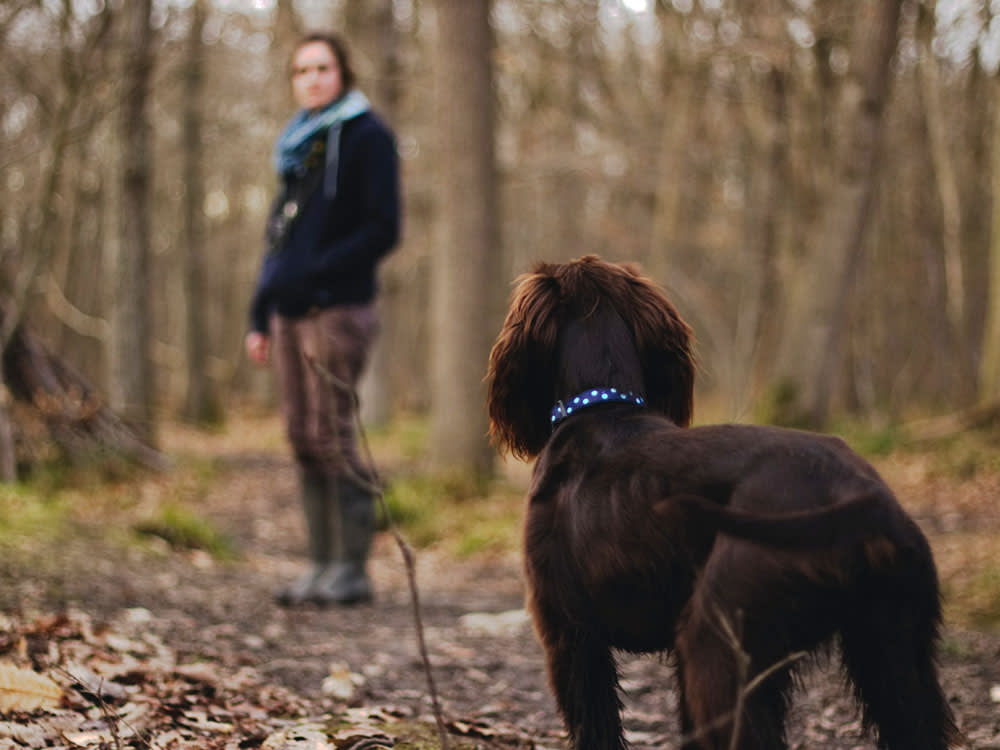
Calling your dog’s name and getting no response can feel frustrating—and a little scary. Is he ignoring you on purpose? Losing his hearing? Distracted? Or could something else be going on?
The truth is, occasional non-response is common, but when it happens more often or suddenly, it can signal hearing changes, attention issues, stress, pain, or even medical problems.
This article explains why dogs sometimes don’t respond, how to tell normal behavior from a red flag, and what you should do next.
What Does “Not Responding” Look Like?
You might notice your dog:
-
Doesn’t look at you when you call his name
-
Responds sometimes, but not others
-
Responds indoors but ignores you outside
-
Seems “zoned out” or distracted
-
Responds to other sounds but not your voice
Patterns matter more than a single missed response.
Common Reasons Dogs Don’t Respond When Called

1. Distraction or Overstimulation (Most Common)
Dogs live in a world of smells and sounds.
-
Outdoors = overwhelming sensory input
-
New environments = reduced focus
-
Other dogs, wildlife, or noises steal attention
This is not stubbornness—it’s normal canine behavior.
2. Learned “Selective Hearing”
If your dog has learned that:
-
Coming when called ends fun
-
Ignoring has no consequence
…he may respond only when it benefits him.
This is a training issue, not defiance.
3. Anxiety or Stress
An anxious dog may:
-
Freeze or shut down
-
Appear to ignore commands
-
Be mentally overwhelmed
Common triggers include loud noises, unfamiliar places, or separation stress.
4. Hearing Changes or Hearing Loss
Especially in older dogs—but it can happen at any age.
-
Doesn’t respond unless you’re in sight
-
Sleeps more deeply
-
Startles easily when touched
Dogs with partial hearing loss may respond sometimes, not always.
5. Pain, Illness, or Cognitive Changes
Dogs who feel unwell may:
-
Be less responsive
-
Withdraw socially
-
Seem “off” or distracted
Senior dogs may experience canine cognitive dysfunction, affecting attention and awareness.
When Ignoring Your Call Is a Red Flag
🚨 See a vet if your dog:
-
Suddenly stops responding when he used to
-
Seems confused or disoriented
-
Has behavior or personality changes
-
Responds to nothing—not even loud sounds
-
Is a senior dog with new attention issues
Sudden changes should always be checked.
What You Can Do Right Now
Test Hearing Gently
-
Clap softly when your dog isn’t looking
-
Drop keys or make a quiet noise
-
Observe ear movement or head turning
(Do not startle intentionally.)
Improve Recall Response
✅ Use high-value rewards
✅ Call once—don’t repeat endlessly
✅ Reward every successful response
✅ Practice in low-distraction environments first
Watch for Patterns
-
Indoors vs. outdoors
-
Time of day
-
After exercise or meals
-
Around stressors
Patterns help identify the cause.
How Vets Evaluate This Issue
Your veterinarian may:
-
Check ears for infection or blockage
-
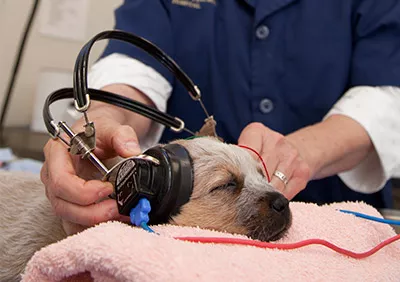
Assess hearing and neurological response
-
Run blood tests (especially for seniors)
-
Screen for pain or cognitive decline
Early detection makes management much easier.
Is This Disobedience or Communication?
Often, it’s communication.
Your dog may be saying:
-
“I’m overwhelmed.”
-
“I can’t hear you clearly.”
-
“I don’t feel well.”
-
“I don’t understand why coming matters.”
Understanding why matters more than forcing compliance.
Final Takeaway
If your dog doesn’t respond when you call him sometimes, it’s often normal distraction. But frequent, sudden, or worsening non-response deserves attention—especially if paired with behavior changes.
🐾 Your dog isn’t giving you a hard time—he may be having a hard time. Paying attention now can prevent bigger problems later.