
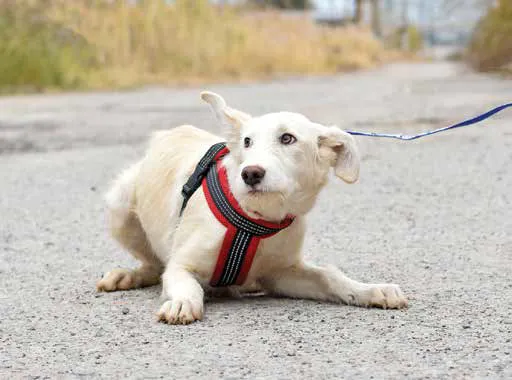
If your dog stops moving, stiffens, stares, or seems “stuck” when you call his name, it can be confusing and worrying. This reaction isn’t stubbornness. Freezing is a stress or processing response, and it can point to fear, confusion, sensory changes, learned associations, or—less commonly—neurological issues.
This article explains why dogs freeze when called, how to tell what’s behind it, when it’s a red flag, and what you can do to help.
What Does “Freezing” Look Like?
You might notice your dog:
-
Stopping mid-movement when his name is said
-
Standing rigid with tense muscles
-
Staring ahead or at you without responding
-
Not approaching or retreating
-
Resuming movement only after several seconds
The key feature is immobility with awareness, not ignoring or walking away.
Common Reasons Dogs Freeze When Called
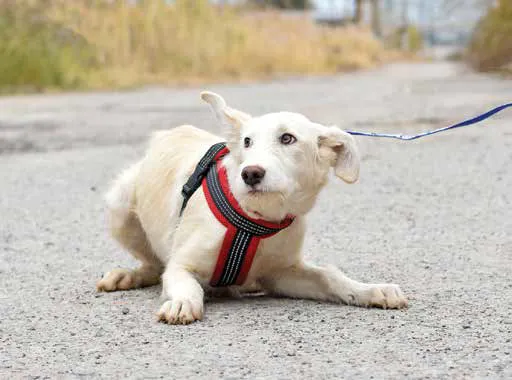
1. Fear or Anxiety (Very Common)
Freezing is part of the fight–flight–freeze response.
-
Your dog may be unsure what will happen next
-
Past scolding or harsh tone can trigger hesitation
-
Anxiety makes processing cues harder
Even a neutral name can feel threatening if fear is present.
2. Negative Association With His Name
If a dog’s name is often followed by:
-
Corrections
-
Ending fun
-
Nail trims, baths, or confinement
…the name becomes a predictor of something unpleasant, causing a freeze.
3. Overstimulation or Cognitive Load
When the environment is busy:
-
Smells, sounds, movement overload the brain
-
The dog pauses to process
Freezing here is a mental pause, not defiance.
4. Sensory Changes (Hearing or Vision)
Dogs with partial hearing or vision loss may:
-
Startle when suddenly addressed
-
Freeze to orient themselves
Recognition often improves once they can smell you or see you clearly.
5. Confusion or Incomplete Training
If the name cue:
-
Wasn’t reinforced positively
-
Is used inconsistently
Your dog may not know what response is expected, so he pauses.
6. Neurological Issues (Less Common, More Serious)
⚠️ Consider if freezing is sudden or frequent.
-
Focal (partial) seizures
-
Cognitive dysfunction in seniors
-
Brain inflammation or injury
Often paired with staring spells, unresponsiveness, or other behavior changes.
When Freezing Is a Red Flag

🚨 Contact your vet or trainer promptly if your dog:
-
Freezes often or for long periods
-
Doesn’t respond to touch or voice during episodes
-
Shows staring, circling, or balance issues
-
Is a senior dog with new onset
-
Has personality or appetite changes
Sudden behavioral freezing should not be ignored.
What You Can Do Right Now
Change the Meaning of His Name
-
Say his name → toss a treat
-
Say his name → praise calmly
-
Do this without asking for anything at first
Rebuild the name as a good-news cue.
Mind Your Tone & Timing
-
Use a soft, friendly voice
-
Avoid calling when you’re frustrated
-
Don’t repeat the name rapidly
Calm delivery reduces pressure.
Reduce Pressure to Respond
-
Call once
-
Wait
-
Reward any small movement toward you
Freezing often breaks when pressure drops.
Train in Low-Distraction Settings
-
Start indoors
-
Then quiet outdoors
-
Gradually add distractions
Success builds confidence.
Rule Out Sensory Issues
-
Face your dog when speaking
-
Use hand signals
-
Approach slowly so you don’t startle him
How Professionals Evaluate This
A vet or trainer may:
-
Assess anxiety and stress triggers
-
Check hearing and vision
-
Review training history
-
Screen for neurological issues (if indicated)
Targeted help leads to faster improvement.
Can This Be Fixed?
Yes—most dogs improve significantly when:
-
Fear is reduced
-
The name is re-conditioned positively
-
Training pressure is adjusted
Early intervention prevents the freeze from becoming habitual.
Final Takeaway
When your dog freezes as you call his name, he’s not ignoring you—he’s unsure, overwhelmed, or worried about what comes next. Freezing is communication.
🐾 By turning your dog’s name into a promise of safety and good things, you help him move from fear to trust—and from freezing to responding.