
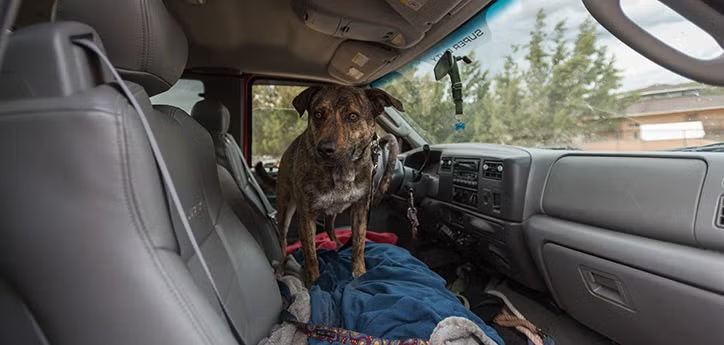
If your dog pants, shakes, drools, whines, hides, or refuses to get into the car, you’re not alone. Car-ride anxiety is very common in dogs and usually comes from fear, motion sickness, negative associations, or loss of control—not stubbornness.
This guide explains why dogs get nervous in cars, how to tell anxiety from nausea, and what you can do to help your dog feel calm and safe.
What Car-Ride Anxiety Looks Like
You may notice your dog:
-
Trembling or panting as soon as the car starts
-
Excessive drooling or licking lips
-
Whining, barking, or pacing
-
Trying to climb into your lap or hide
-
Vomiting or refusing treats
-
Hesitating or refusing to enter the car
👉 Timing matters: symptoms that start before driving are usually anxiety; symptoms that worsen with movement may be motion sickness.
Why Dogs Get Nervous in the Car
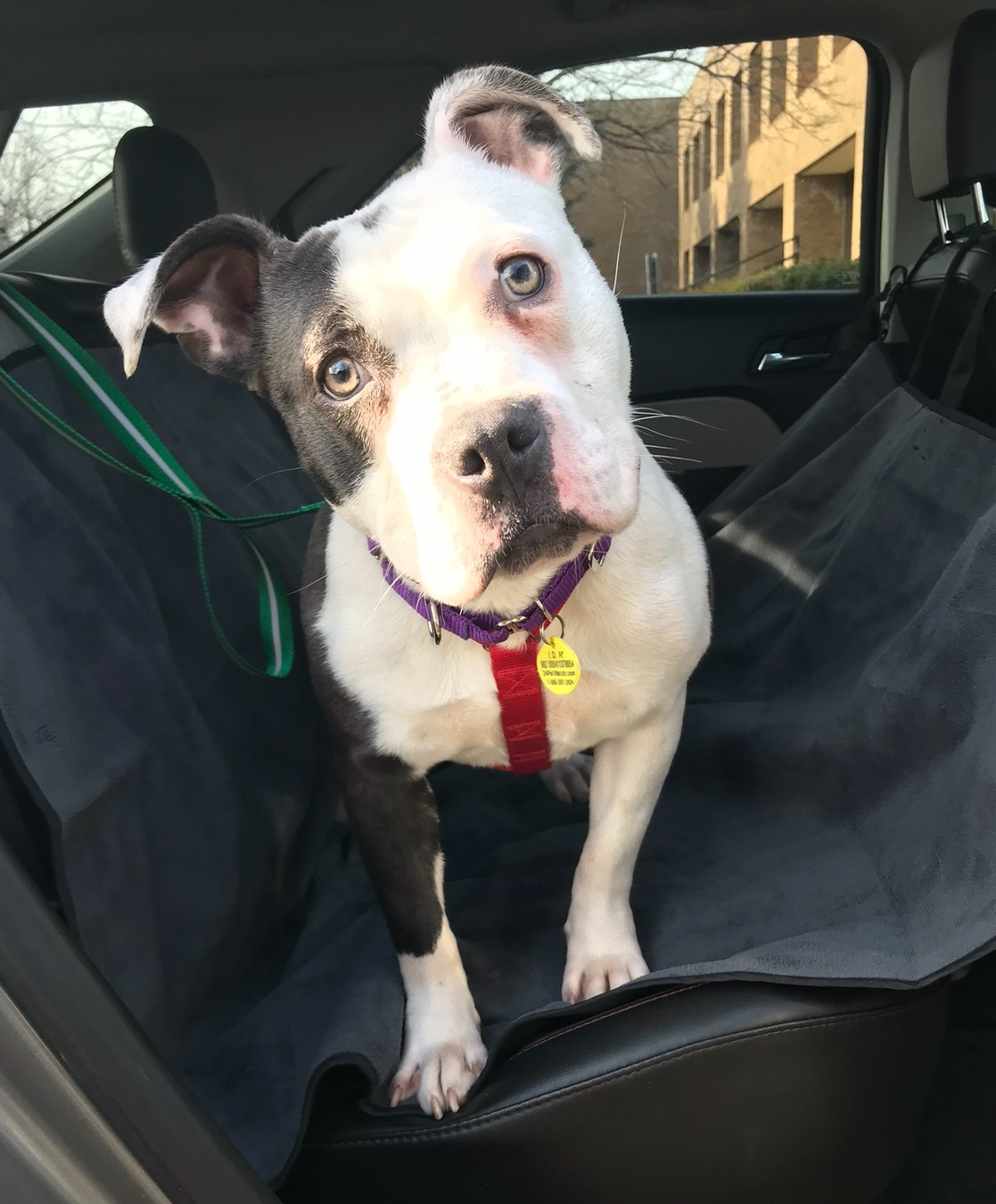
1. Motion Sickness
Very common in puppies and young dogs.
-
Inner ear not fully developed
-
Causes nausea, drooling, vomiting
Nausea quickly turns into anticipatory anxiety.
2. Negative Associations
If car rides usually end at:
-
The vet
-
Groomer
-
Boarding
Your dog learns: car = something scary.
3. Loss of Control
Cars are:
-
Noisy
-
Moving unpredictably
-
Full of strange smells
Dogs can’t escape or understand what’s happening.
4. Past Trauma
Rescue dogs may associate cars with:
-
Abandonment
-
Transport stress
-
Accidents
The body remembers even if the dog can’t explain it.
5. Handler Stress
Dogs read you closely.
-
Tight leash
-
Nervous voice
-
Rushing
Your tension can amplify theirs.
Anxiety vs. Motion Sickness — How to Tell
🤢 More Likely Motion Sickness
-
Drooling and vomiting
-
Symptoms worsen with movement
-
Dog seems better once stopped
😰 More Likely Anxiety
-
Fear before the car moves
-
Refusal to enter
-
Trembling, hiding, pacing
-
Symptoms persist even on short trips
Many dogs have both.
What You Can Do Right Now

1. Make the Car a Safe Place
-
Use a crash-tested harness or secured crate
-
Bring familiar bedding or a favorite toy
-
Keep the temperature cool and airflow steady
Feeling secure reduces anxiety.
2. Start With Zero-Pressure Exposure
Rebuild trust slowly:
-
Sit in the parked car (engine off)
-
Treat calmly, then leave
-
Start engine briefly
-
Short drives around the block
Only progress when your dog stays relaxed.
3. Change the Destination
Take your dog to:
-
A park
-
A sniff walk
-
A treat stop
The car shouldn’t always mean the vet.
4. Avoid Feeding Right Before Travel
For nausea-prone dogs:
-
No food 3–4 hours before driving
-
Small water sips only
5. Stay Calm and Neutral
-
Soft voice
-
Slow movements
-
No excessive reassurance (can increase worry)
Calm leadership helps dogs settle.
When to Talk to Your Vet
Contact your vet if:
-
Vomiting is frequent
-
Anxiety is severe or worsening
-
Your dog can’t ride at all
Your vet may recommend:
-
Anti-nausea medication
-
Short-term anti-anxiety support
-
Behavior modification guidance
Medication doesn’t “drug” dogs—it lowers panic so learning can happen.
What NOT to Do
❌ Force your dog into the car
❌ Scold fearful behavior
❌ Rush exposure
❌ Let your dog roam freely (unsafe)
These increase fear and risk.
Can Dogs Learn to Enjoy Car Rides?
Yes—many dogs improve dramatically with:
-
Slow desensitization
-
Positive destinations
-
Proper restraint and comfort
The goal isn’t excitement—it’s calm neutrality.
Final Takeaway
When your dog gets nervous during car rides, he’s not being difficult—he’s overwhelmed. With patience, safety, and positive experiences, most dogs can learn that the car is a safe, predictable place.
🐾 Go slow. Build trust. Let calm replace fear—one short ride at a time.