
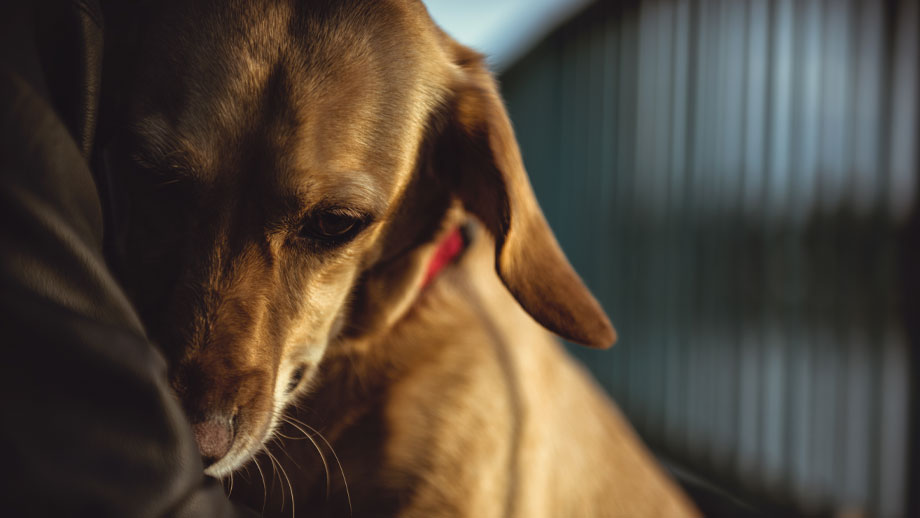
If your dog barks nonstop, hides, trembles, jumps, paces, or can’t settle when visitors arrive, you’re not dealing with bad manners—you’re seeing stress and emotional overload. For many dogs, guests are unpredictable, noisy, and intrusive, which can trigger fear, excitement, or defensive behavior.
The good news? Visitor-related stress is very common—and very fixable with the right approach.
What Visitor Stress Looks Like
Your dog may:
-
Bark or growl excessively
-
Jump, spin, or mouth hands
-
Hide under furniture or behind you
-
Tremble, pant, or drool
-
Pace or whine nonstop
-
Ignore commands they usually know
👉 The key sign is loss of emotional control, not disobedience.
Why Dogs Get Stressed When Visitors Arrive

1. Fear of Strangers (Most Common)
Visitors:
-
Look different
-
Smell unfamiliar
-
Move unpredictably
Your dog may not know if they’re safe.
2. Overexcitement (Positive Stress)
Some dogs are too social.
-
Excitement spikes adrenaline
-
Thinking brain shuts down
This looks chaotic but comes from joy—not aggression.
3. Territorial Instinct
Your home is your dog’s safe zone.
-
Visitors entering can feel threatening
-
Stress increases near doors and entryways
4. Lack of Early Socialization
Dogs not exposed to guests early in life:
-
Don’t learn coping skills
-
Default to fear or excitement
5. Reinforced Reactions
If barking or jumping ever led to:
-
Attention
-
Guests backing away
The behavior was unintentionally rewarded.
Stress vs. Aggression — Important Difference
😰 Stress/Fear
-
Tail tucked
-
Ears back
-
Avoidance or hiding
-
Trembling
⚠️ Aggression (Needs Extra Care)
-
Stiff body
-
Hard staring
-
Snapping or lunging
This article focuses on stress, not dangerous aggression.
How to Help Your Dog Stay Calm When Visitors Come
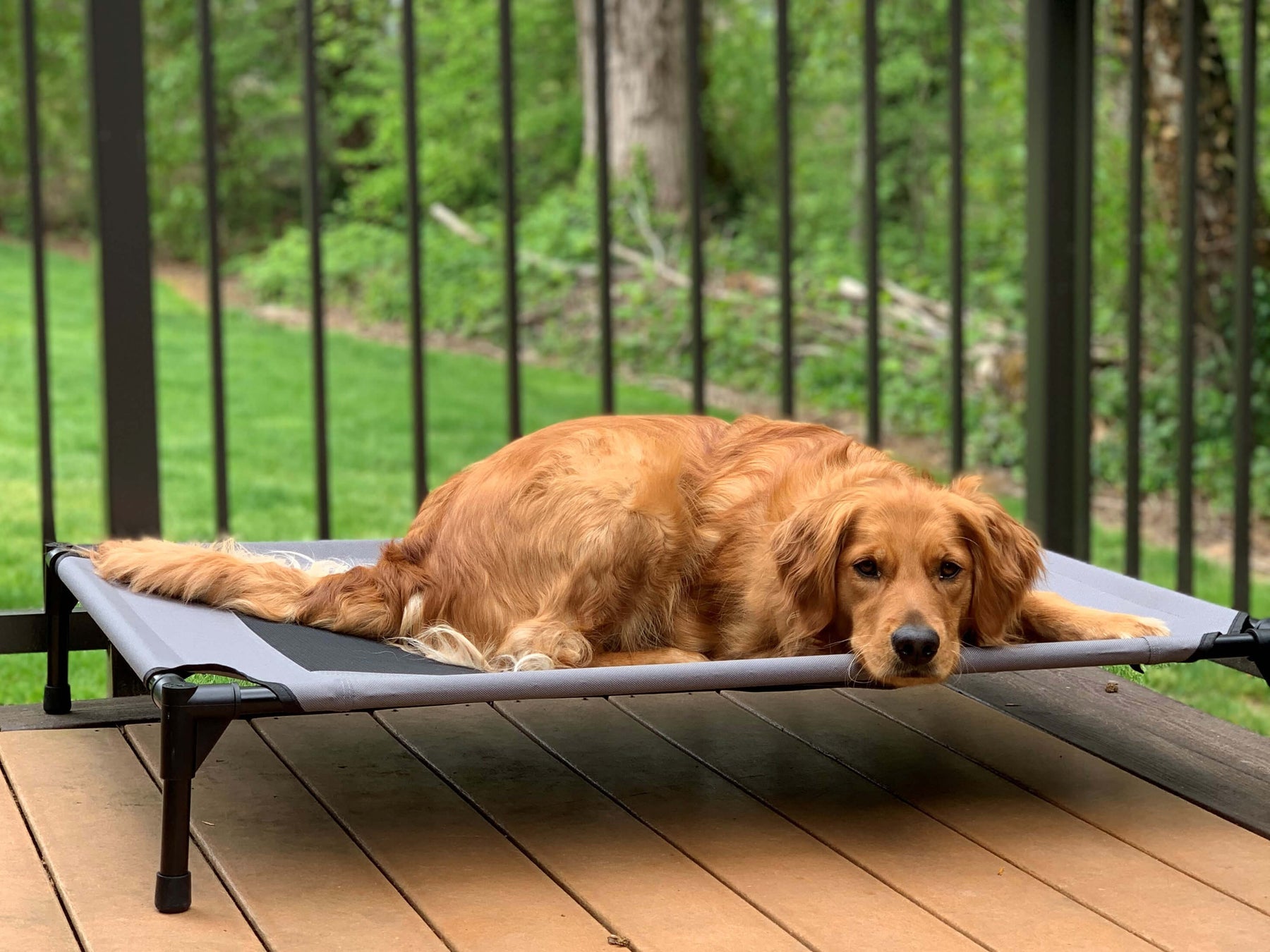
1. Manage the First 5 Minutes
This is the hardest part.
-
Leash your dog
-
Prevent rushing the door
-
Give distance from guests
Calm starts before interaction.
2. Create a Safe Zone
Set up:
-
A quiet room
-
A bed or crate (only if crate is loved)
-
White noise or calming music
Your dog doesn’t need to greet everyone.
3. Teach a “Place” or “Settle”
Reward:
-
Staying on a mat
-
Calm body language
This gives your dog a job instead of panic.
4. Ignore the Dog at First
Ask guests to:
-
Avoid eye contact
-
Not touch or talk to the dog
-
Let the dog approach voluntarily
Pressure increases stress.
5. Pair Visitors With Good Things
-
Toss treats away from guests
-
Feed high-value rewards for calm behavior
Visitors should predict positive outcomes.
6. Keep Greetings Short
Long interactions raise arousal.
-
Brief hellos
-
Then break
Short success beats long overwhelm.
What NOT to Do
❌ Force your dog to greet
❌ Hold your dog while guests approach
❌ Punish barking or fear
❌ Let guests “test” your dog
This increases stress and risk.
When to Get Professional Help
Seek help if your dog:
-
Tries to bite or snap
-
Cannot calm down at all
-
Gets worse with repeated exposure
-
Shows escalating fear
A trainer or behaviorist can build a custom visitor plan.
Can Dogs Learn to Relax Around Visitors?
Yes—most dogs improve significantly with:
-
Predictable routines
-
Controlled exposure
-
Calm reinforcement
The goal isn’t loving every guest—it’s feeling safe.
Final Takeaway
If your dog gets stressed when visitors come, it’s not rudeness—it’s emotional overload. With structure, distance, and positive associations, your dog can learn that guests are nothing to fear.
🐾 Calm isn’t forced. It’s taught—one safe experience at a time.