
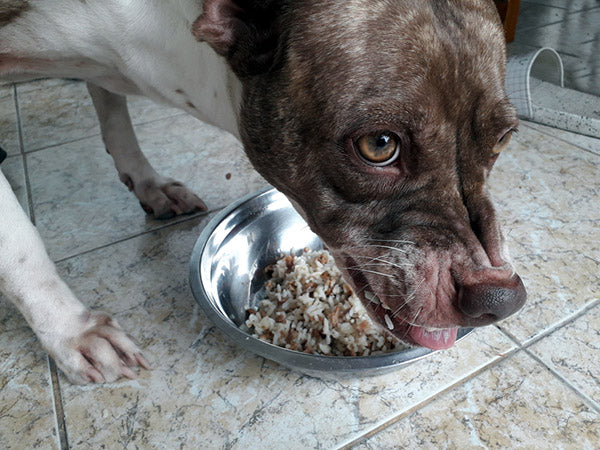
If your dog growls, snaps, freezes, or stiffens when you or another pet comes near his food, this is known as food guarding, a type of resource guarding. While it can be frightening—or even dangerous—this behavior is rooted in fear and insecurity, not dominance or stubbornness.
The good news? With the right approach, food guarding can be managed and significantly improved.
This article explains why dogs guard food, when it becomes dangerous, and how to respond safely and effectively.
What Does Food Guarding Look Like?
You may notice your dog:
-
Eating very fast
-
Freezing over the food bowl
-
Growling when approached
-
Showing teeth or snapping
-
Blocking access to food
-
Guarding chews, bones, or treats
Food guarding can range from subtle tension to full aggression.
Why Dogs Guard Their Food
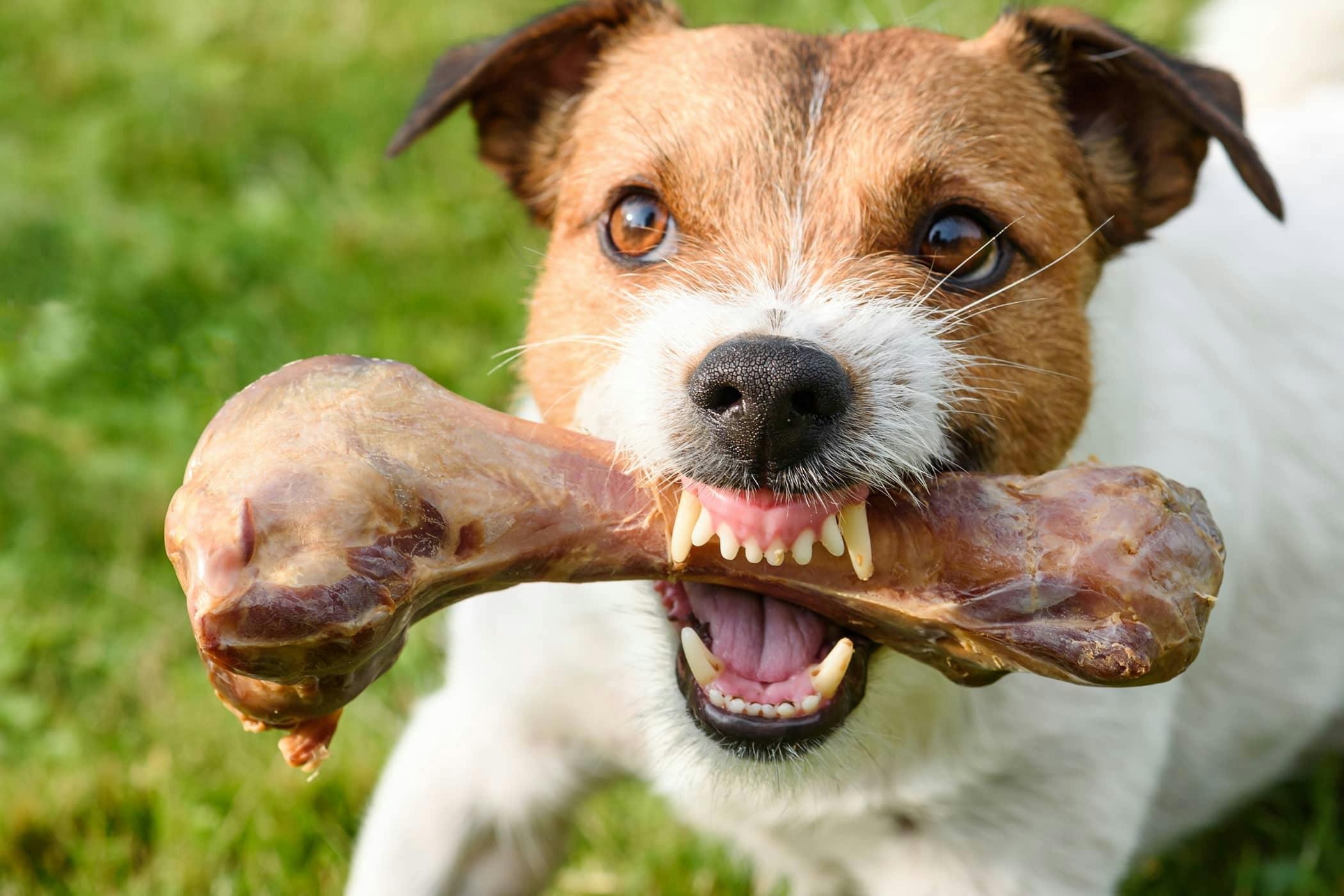
1. Fear of Losing Resources (Most Common)
Dogs guard because they believe:
-
Food may be taken away
-
They must defend it to survive
This fear can exist even in dogs that are well-fed.
2. Past Experiences
Dogs who:
-
Were rescued or rehomed
-
Experienced food scarcity
-
Were punished around food
may develop strong guarding instincts.
3. Genetic or Temperament Factors
Some dogs are naturally:
-
More sensitive
-
More cautious
-
More reactive
This doesn’t mean they’re “bad dogs.”
4. Learned Behavior
If a dog growls and:
-
The person backs away
the dog learns:
👉 “Guarding works.”
5. Pain or Medical Issues
Pain can increase defensiveness:
-
Dental pain
-
Arthritis
-
GI discomfort
A dog in pain is less tolerant of interference.
When Food Guarding Is Dangerous
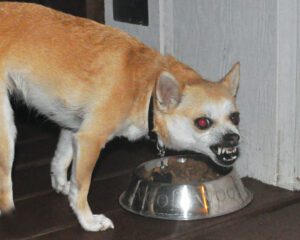
🚨 Seek professional help immediately if your dog:
-
Has snapped or bitten
-
Guards aggressively toward children
-
Guards multiple items (food, toys, space)
-
Escalates quickly
-
Cannot be interrupted
Safety always comes first.
What NOT to Do (Very Important)
❌ Don’t punish growling (this removes warnings)
❌ Don’t take food away “to show dominance”
❌ Don’t stick hands in the bowl
❌ Don’t force interactions
These actions increase fear and bite risk.
What You Can Do Right Now
Create Safety
✅ Feed your dog in a quiet, separate space
✅ Keep children away during meals
✅ Pick up bowls after eating
Build Positive Associations
Over time (with guidance):
-
Toss high-value treats from a distance
-
Let your dog learn: people approaching = good things
Never rush this process.
Reduce Competition
-
Separate pets during meals
-
Remove high-value items when unsupervised
Training & Behavior Support That Works
Food guarding improves best with:
-
Desensitization & counterconditioning
-
Gradual trust-building exercises
-
Clear routines
A certified trainer or veterinary behaviorist can create a safe, customized plan.
When to See a Vet
A veterinary exam is important to:
-
Rule out pain or medical causes
-
Discuss anxiety-related treatment options
-
Consider medication in severe cases
Medication does not replace training—but it can help dogs learn.
Can Food Guarding Be Fixed?
Yes—most dogs improve significantly with proper management and training.
-
Severity can be reduced
-
Warnings can become calmer
-
Trust can be rebuilt
Early intervention leads to the best outcomes.
Final Takeaway
Food guarding is not about dominance—it’s about fear of loss. Your dog isn’t trying to challenge you; they’re trying to protect something they value.
🐾 When you replace fear with trust, guarding loses its purpose. Safety, patience, and understanding are the real solutions.