
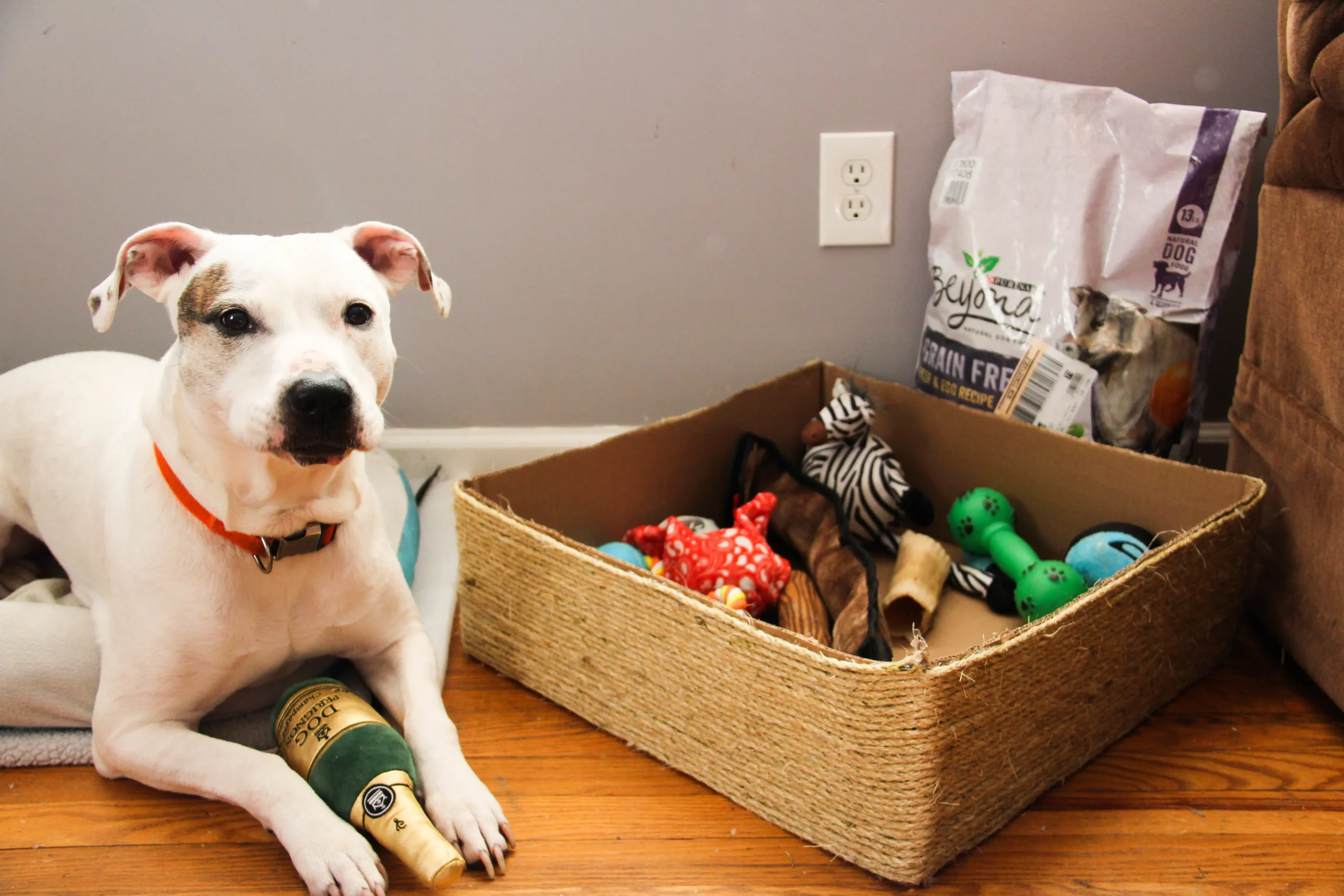
If your dog fixates on toys, carries them everywhere, growls when anyone comes near, or snaps if another dog or person approaches, this is more than simple preference—it’s resource guarding. When it becomes obsessive, it usually means your dog feels insecure, overstimulated, or has learned that guarding works.
The good news: toy guarding is common and very manageable when handled correctly.
What Obsessive Toy Guarding Looks Like
You may notice your dog:
-
Hovering over toys constantly
-
Grabbing toys away from others
-
Growling, snapping, or stiffening when approached
-
Carrying toys everywhere, even to sleep
-
Being unable to relax if toys are visible
-
Guarding toys from people and dogs
👉 The key sign is tension and fixation, not relaxed play.
Why Dogs Guard Toys Obsessively
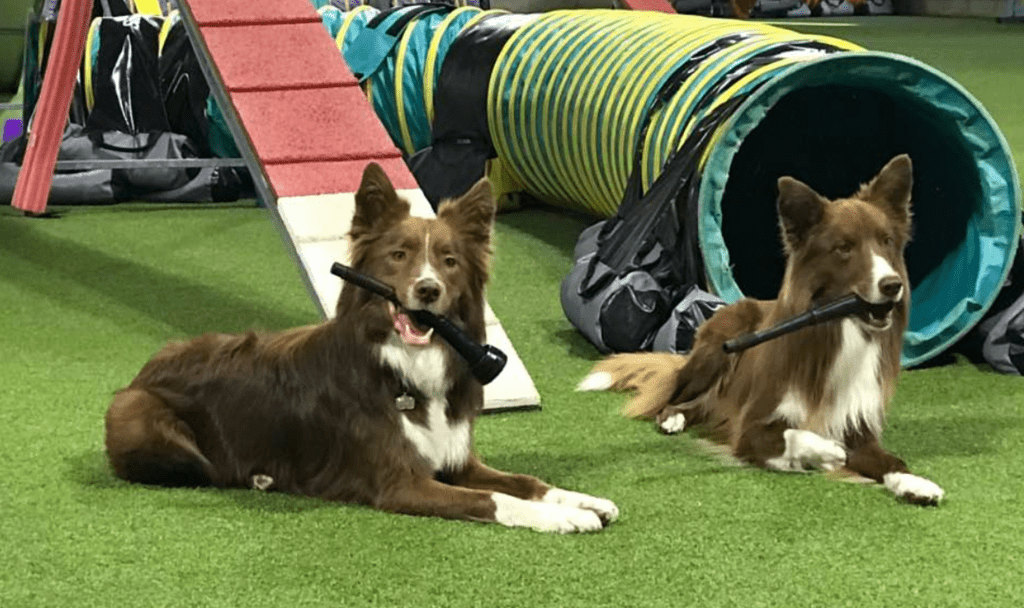
1. Resource Guarding (Most Common)
Toys are valuable resources.
-
Dogs instinctively protect what matters to them
-
Guarding increases when the dog feels unsafe
This is fear-based, not dominance.
2. Anxiety or Insecurity
Anxious dogs often latch onto objects.
-
New environments
-
New pets
-
Schedule changes
Guarding gives them a sense of control.
3. Over-Arousal
High-energy dogs can become:
-
Mentally overstimulated
-
Unable to self-regulate
Excitement + toys can tip into obsession.
4. Learned Behavior
If guarding ever resulted in:
-
Others backing off
-
Toys staying safe
The dog learned: guarding works.
5. Lack of Clear Toy Structure
Unlimited access to toys can:
-
Increase fixation
-
Prevent emotional breaks
Some dogs need boundaries around play.
When Toy Guarding Is a Serious Problem
🚨 Seek professional help if your dog:
-
Has snapped or bitten
-
Guards toys from people (especially kids)
-
Escalates quickly without warning
-
Cannot disengage at all
-
Guards multiple resources
Safety always comes first.
What You Should NOT Do
❌ Take toys away forcefully
❌ Punish growling
❌ Tease or “test” guarding
❌ Force sharing
These increase fear and make guarding more dangerous.
What You SHOULD Do Instead
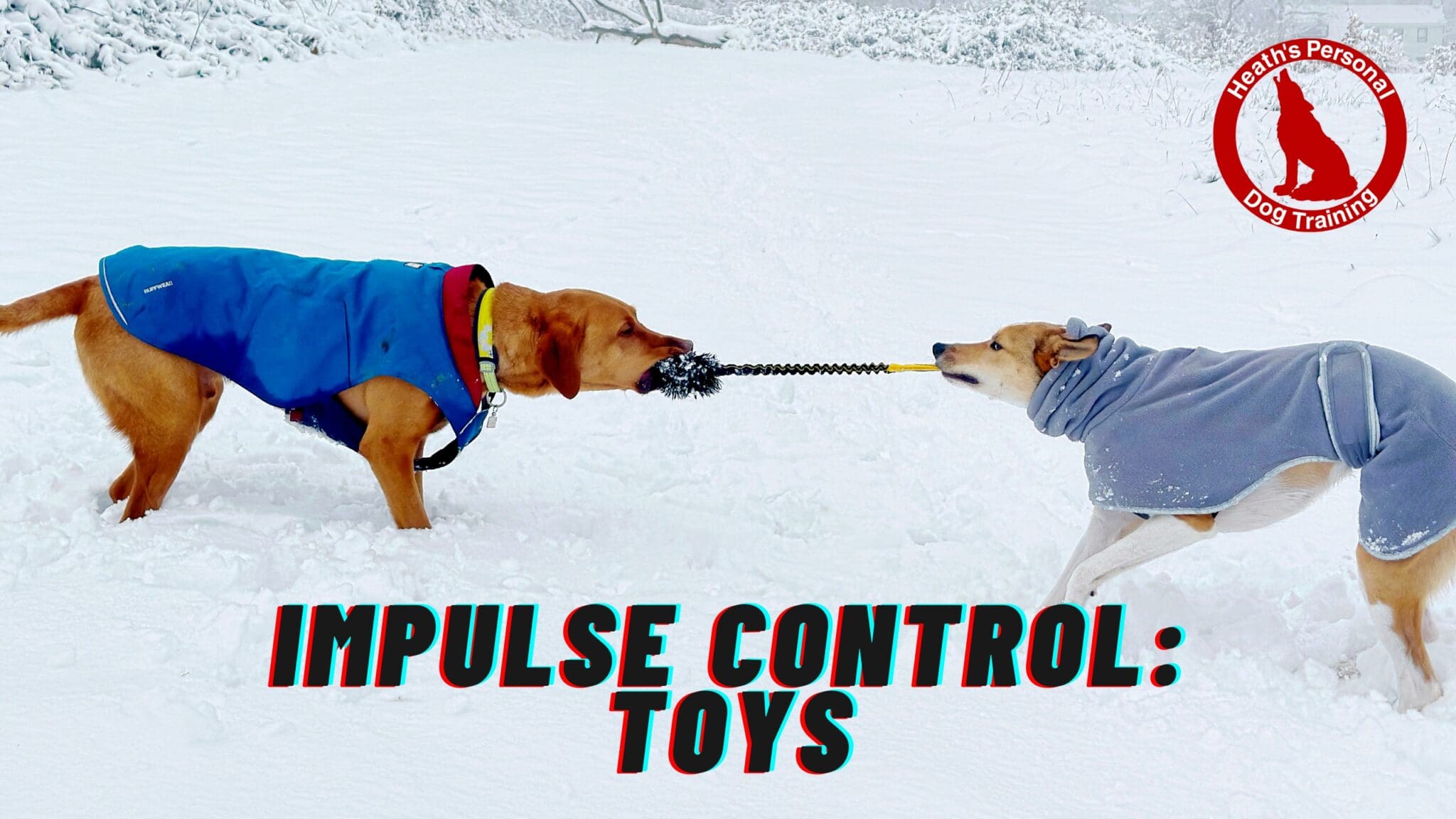
1. Manage Toy Access
-
Pick up toys when not supervised
-
Use toys only during structured play
Less access = less obsession.
2. Teach “Trade” and “Drop It”
Practice calmly:
-
Offer something better
-
Reward releasing the toy
This builds trust and choice.
3. Reward Calm Around Toys
-
Treat relaxed behavior
-
Reinforce choosing to disengage
Calm becomes valuable.
4. Separate Dogs During Toy Play
-
No group toy play if tension exists
-
One-on-one play only
Prevention stops rehearsing guarding.
5. Build Emotional Regulation
Daily work on:
-
Settle on a mat
-
Impulse control games
-
Decompression walks
A calmer dog guards less.
Can Dogs Learn to Relax Around Toys?
Yes—most dogs improve dramatically with:
-
Clear rules
-
Consistent management
-
Positive training
The goal isn’t sharing—it’s feeling safe enough not to guard.
Final Takeaway
Obsessive toy guarding isn’t about being “bossy” or “dominant.” It’s about fear, arousal, and learned habits. When you remove pressure and build trust, the behavior often softens.
🐾 Treat the insecurity behind the guarding—not just the guarding itself—and real change happens.