
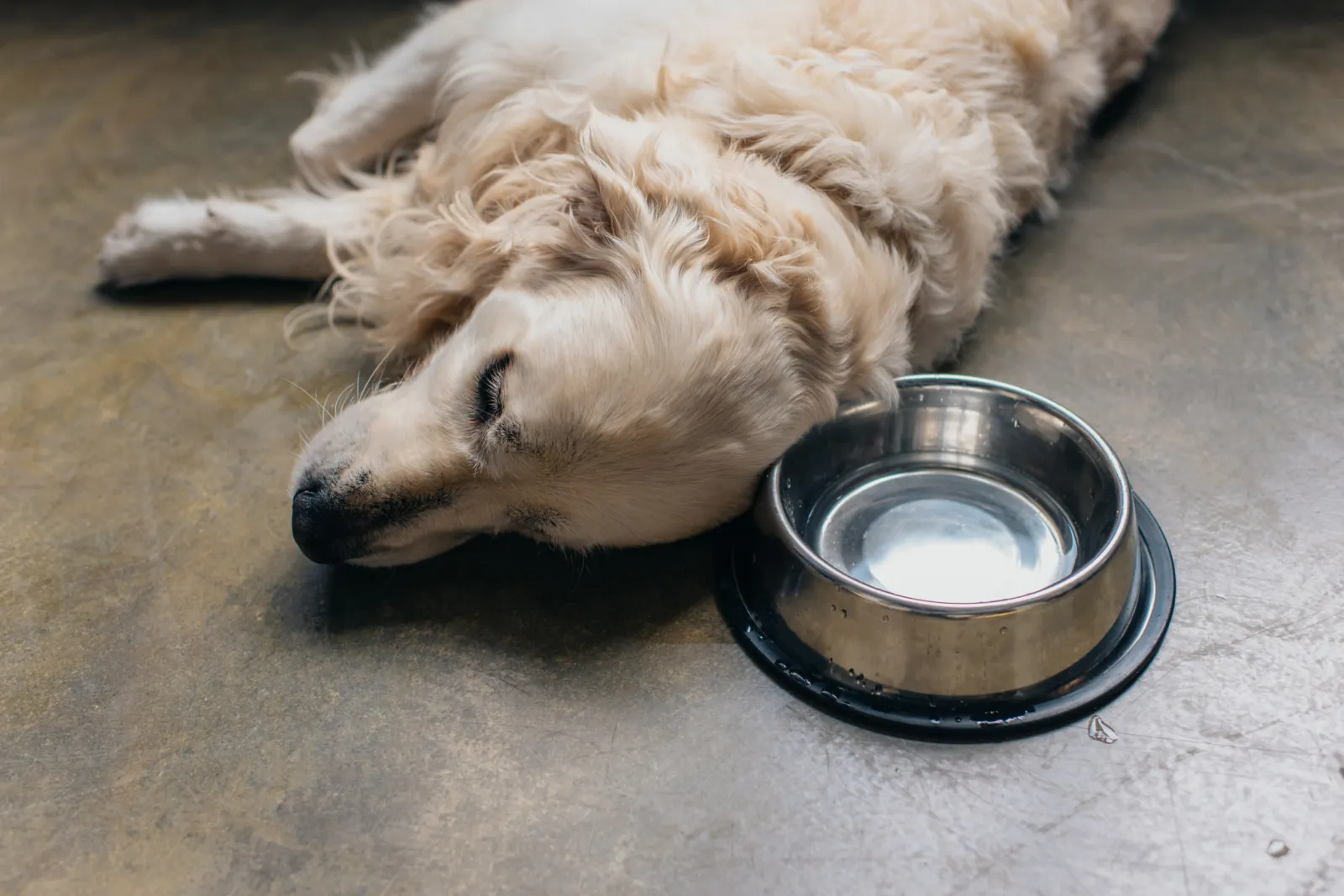
It’s normal for some dogs to skip a meal occasionally — they may be tired, warm, or simply not hungry.
But when a dog refuses to eat for 24 hours, especially if it’s unusual for them, it becomes a signal you should not ignore.
Loss of appetite (anorexia) is one of the earliest signs of physical discomfort, pain, stress, stomach issues, infections, or serious internal conditions.
Below is a detailed breakdown of:
✔ Why dogs stop eating suddenly
✔ What’s normal vs. what’s dangerous
✔ Signs that point to an emergency
✔ How to help your dog safely at home
🟥 Why Dogs Stop Eating: The Most Common Causes
1️⃣ Stress, Routine Changes, or Emotional Triggers
Dogs are creatures of habit. Sudden changes in their world can disrupt appetite within hours.

Common triggers include:
-
Moving to a new home
-
A new pet or family member
-
Being left alone longer than usual
-
Fireworks, storms, loud noise
-
Boarding / grooming / vet visits
How stress prevents eating:
When anxious, the brain releases adrenaline and cortisol, which suppress hunger and slow digestion.
If your dog is pacing, panting, avoiding contact, or hiding — emotional stress may be the cause.
2️⃣ Stomach Upset (Gastritis) or Something They Ate
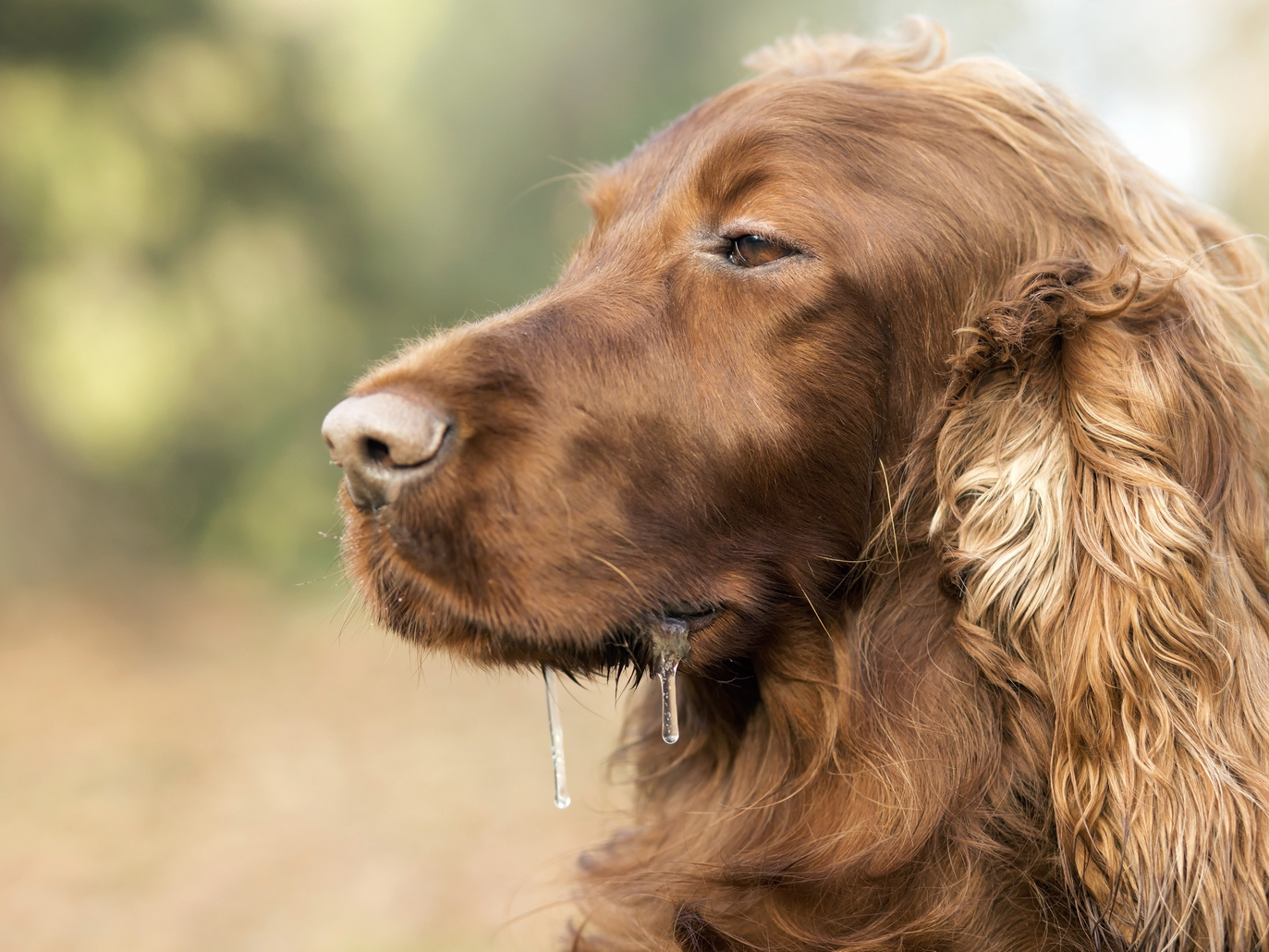
Dogs commonly stop eating when their stomach feels irritated.
Possible reasons include:
-
Eating grass
-
Eating spoiled food or garbage
-
Eating a foreign object
-
New treats or food change
-
Mild viral or bacterial irritation
Signs it’s GI-related:
-
Lip licking
-
Drooling
-
Burping
-
Gurgling stomach
-
Vomiting yellow foam
-
Lack of interest in food but interest in water
Usually mild — but if vomiting continues, you need a vet.
3️⃣ Dental Pain, Oral Injury, or Something Stuck

Dogs will often walk to their food bowl, sniff it, then walk away — a classic sign of mouth pain.
Possible causes:
-
Broken tooth
-
Gum infection
-
Tooth abscess
-
Something stuck (bone, stick, toy piece)
-
Severe tartar buildup
You may also notice:
-
Dropping food
-
Pawing at the mouth
-
Bad breath
-
Swelling on one side of the face
Dental pain can become severe and lead to infection → don’t ignore it.
4️⃣ Infection, Fever, or Systemic Illness

When the body fights infection, appetite is the first thing to disappear. Dogs can also stop eating due to fever or organ-related disease.
Common medical causes:
-
Kidney disease
-
Liver inflammation
-
Pancreatitis
-
Viral infections
-
Severe dehydration
-
Internal pain
Red flags:
-
Weakness
-
Vomiting or diarrhea
-
Yellow gums
-
Pale gums
-
Swollen belly
This requires medical attention sooner rather than later.
5️⃣ Side Effects From Medications or Vaccines
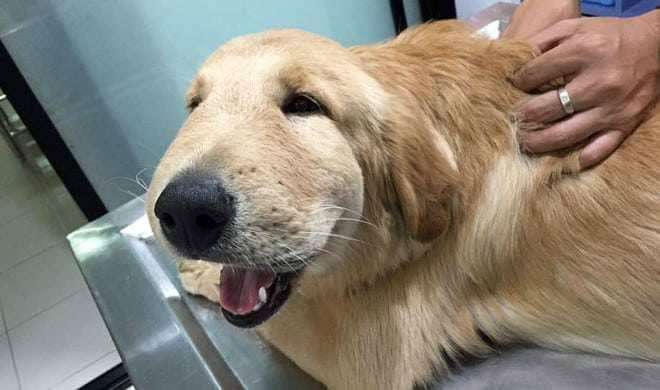
Some medications — especially antibiotics, pain meds, and anti-inflammatories — can decrease appetite temporarily.
Vaccines can also cause mild appetite loss for 12–24 hours.
If appetite loss lasts longer than a day → call your vet.
6️⃣ More Serious Conditions (Emergency Causes)
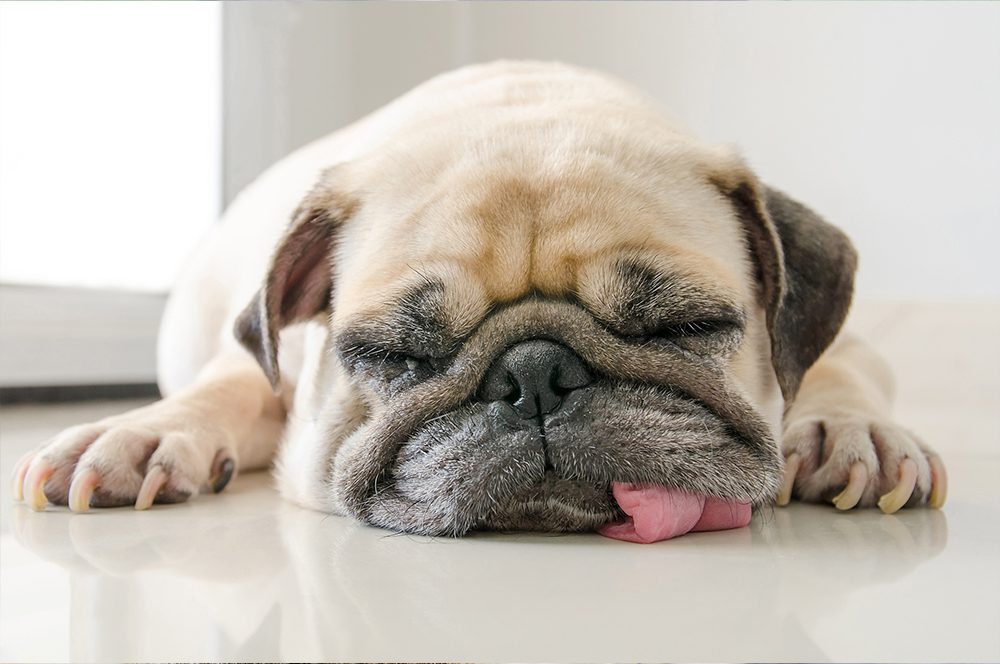
These are dangerous and require immediate care:
⚠️ Foreign body obstruction
(Dog ate a toy, bone, sock, stone)
⚠️ Bloat / Gastric torsion (life-threatening)
-
Restlessness
-
Drooling
-
Distended stomach
-
Trying to vomit but nothing comes out
⚠️ Parvovirus in puppies
-
Vomiting
-
Bloody diarrhea
-
Rapid weight loss
⚠️ Poison ingestion
-
Rat poison
-
Chocolate
-
Xylitol
-
Grapes
If you suspect any of the above → go to the vet NOW.
🟩 Is It Normal for a Dog to Not Eat for 24 Hours?
Sometimes yes — sometimes no.
Normal if:
-
They’re otherwise behaving normally
-
They drank water
-
No vomiting or diarrhea
-
The weather is very hot
-
It happened after excitement or stress
Not normal if:
-
Your puppy (under 6 months) stopped eating
-
Your dog is senior
-
There’s vomiting, diarrhea, or lethargy
-
They haven’t eaten AND aren’t drinking
-
They seem in pain
🟦 What You Should Do Right Now
1️⃣ Check for dehydration
Gently lift the skin on the neck:
-
Snaps back quickly → normal
-
Slow return → dehydration (needs vet)
2️⃣ Offer bland food
Try:
-
Boiled chicken + rice
-
Boiled turkey
-
Plain pumpkin (not pie mix)
If they refuse this, appetite is more seriously compromised.
3️⃣ Do NOT offer treats or new foods
It may worsen nausea or create bad eating habits.
4️⃣ Observe your dog closely for the next 6 hours
Take note of:
-
Vomiting
-
Change in energy
-
Diarrhea
-
Panting
-
Abdominal pain
5️⃣ If your dog doesn’t eat by the 36-hour mark → call your vet
Emergency rule:
🚨 If your dog is not eating + vomiting + lethargic = Vet immediately.