
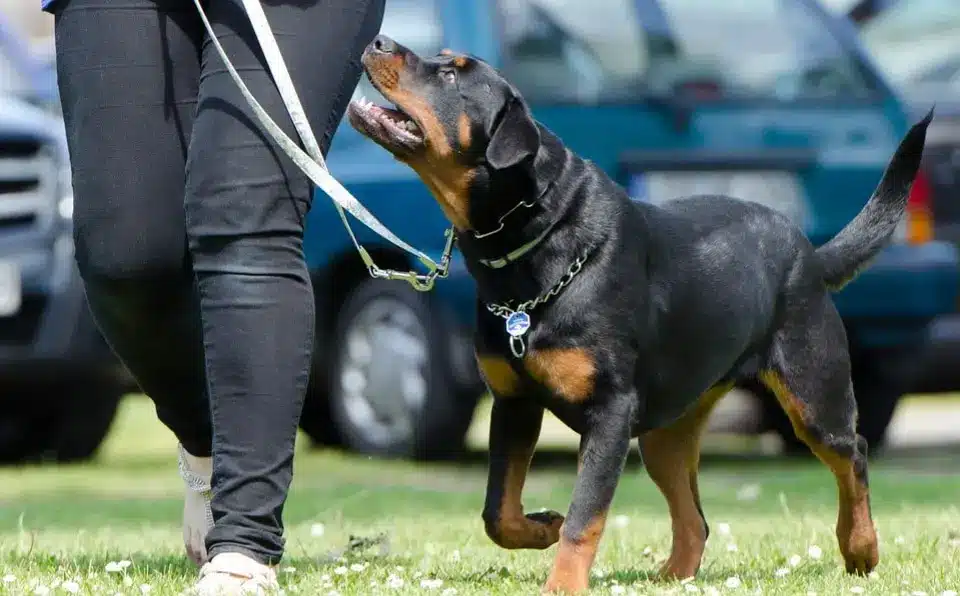
If your dog checks out, avoids you, sniffs the ground, lies down, or seems annoyed the moment a “training session” starts, you’re not alone. Many dogs dislike traditional, structured training—and that doesn’t mean they’re stubborn, dumb, or untrainable.
In fact, it often means the training style doesn’t match how your dog learns best.
What “Hating Training” Usually Looks Like
You may notice your dog:
-
Walks away when treats come out
-
Loses interest after 30–60 seconds
-
Responds once, then shuts down
-
Looks stressed, yawns, or licks lips
-
Performs well in daily life—but not in sessions
👉 This is often mental overload or pressure, not defiance.
Why Some Dogs Dislike Structured Training

1. Too Much Pressure, Too Fast
Formal sessions can feel:
-
Predictable
-
Repetitive
-
Emotionally heavy
Some dogs shut down when they sense “now you must perform.”
2. Low Tolerance for Repetition
Many dogs:
-
Learn quickly
-
Get bored even faster
Repeating the same cue kills motivation.
3. Sensitive or Soft Temperament
Sensitive dogs:
-
Internalize pressure
-
Worry about making mistakes
-
Disengage to cope
They often thrive with choice-based learning, not drills.
4. Training = Loss of Control
Structured sessions:
-
Restrict movement
-
Remove autonomy
Some dogs need agency to stay engaged.
5. Environment or Timing Is Wrong
Your dog may be:
-
Too tired
-
Too hungry
-
Too distracted
-
Too full of energy
Even good training fails with bad timing.
Important Truth
🚫 Loving training sessions is NOT required for a well-trained dog.
Many excellent dogs:
-
Learn through life
-
Learn through play
-
Learn in micro-moments
What Works Better Than Formal Sessions

1. Train in 10–30 Second Bursts
Instead of “sessions,” use:
-
One cue before meals
-
One recall during walks
-
One sit before opening doors
Short + successful = motivated dog.
2. Hide the Training
If your dog knows it’s training, motivation drops.
Try:
-
Ask for a sit → toss toy
-
Recall → release to sniff
-
Eye contact → praise, then freedom
Learning sticks better when it feels accidental.
3. Turn Training Into Games
Games reduce pressure:
-
Chase-me recalls
-
Find-it treat scatters
-
Tug → drop → tug
Play = dopamine = learning.
4. Let Your Dog Choose
Choice-based training:
-
Reward offered, not forced
-
Dog opts in
Choice builds confidence and engagement.
5. End While Your Dog Is Still Interested
Always stop before boredom.
-
One success
-
Big reward
-
Done
Leave them wanting more.
Signs You’re On the Right Track
You’ll know it’s working when your dog:
-
Offers behaviors spontaneously
-
Engages without prompting
-
Looks relaxed and curious
-
Learns skills faster in daily life
When to Reconsider Your Goals
If your dog:
-
Shuts down completely
-
Shows stress signals consistently
-
Avoids you after sessions
The goal should shift from obedience to cooperation.
Final Takeaway
Some dogs love drills. Others love freedom, play, and learning on the go. A dog who hates structured training isn’t difficult—they’re just asking for a different conversation.
🐾 Training doesn’t have to look like training to work. Meet your dog where they thrive.