
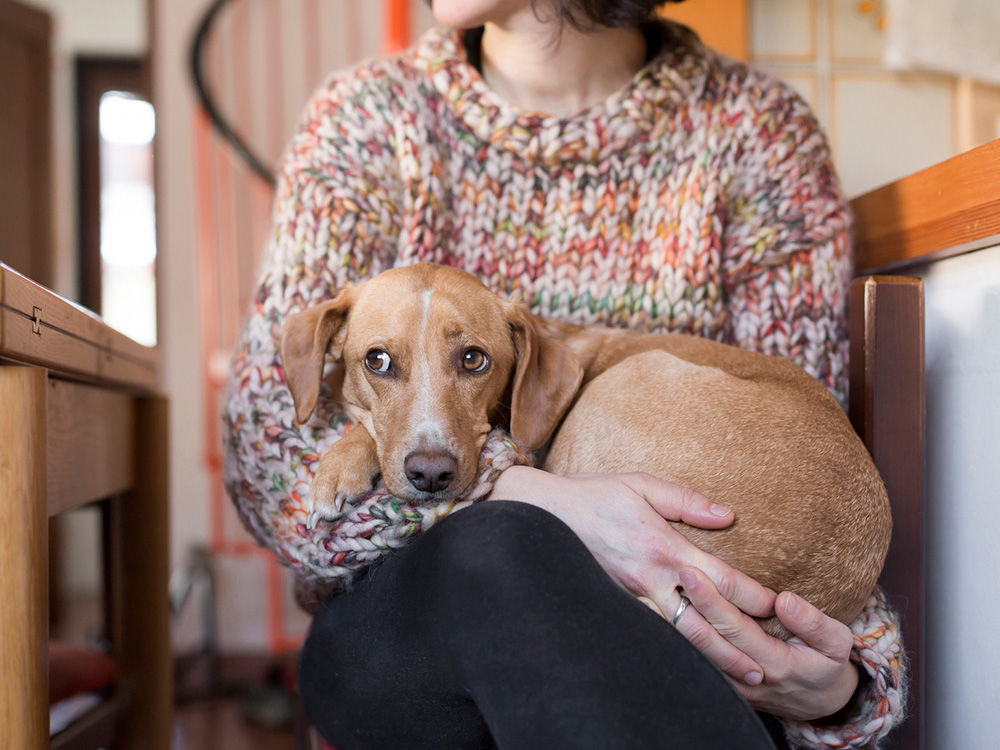
If your dog trembles, shakes, crouches, or stiffens when meeting new people, it’s a clear sign your dog is emotionally overwhelmed. This behavior is very common—and it’s not bad manners or stubbornness. Shaking during greetings usually signals fear, anxiety, insecurity, or lack of social confidence.
This article explains why dogs shake around strangers, when it’s normal vs. concerning, and how to help your dog feel safe and confident over time.
What Does This Shaking Look Like?
You may notice your dog:
-
Trembling or shivering during introductions
-
Tucking tail or lowering body posture
-
Avoiding eye contact
-
Freezing or leaning away
-
Clinging to you or trying to escape
-
Panting or yawning nervously
👉 Shaking is often paired with subtle fear signals, not aggression.
Why Dogs Shake When Meeting New People

1. Fear or Anxiety (Most Common)
Many dogs perceive unfamiliar humans as unpredictable.
-
New smells, voices, movements
-
Direct eye contact or reaching hands
-
Loud greetings
Fear-based shaking is your dog’s way of saying:
👉 “I don’t feel safe yet.”
2. Poor or Limited Early Socialization
Dogs not exposed to many people as puppies may:
-
Struggle with novelty
-
Feel unsure around strangers
This doesn’t mean they can’t improve—it just means they need gradual exposure.
3. Past Negative Experiences
Dogs who were:
-
Yelled at
-
Grabbed suddenly
-
Hurt or scared by people
may associate new people with danger.
4. Genetic Temperament
Some dogs are naturally:
-
Sensitive
-
Cautious
-
Easily overstimulated
This is a personality trait—not a flaw.
5. Overstimulation
Busy environments make fear worse.
-
Multiple people approaching
-
Loud voices
-
Crowded spaces
Overstimulated dogs often shake because their nervous system is overloaded.
When Shaking Is a Red Flag

🚨 Get professional help if your dog:
-
Shakes intensely or for long periods
-
Freezes and won’t move
-
Growls, snaps, or lunges
-
Cannot recover after greetings
-
Gets worse instead of better
Unchecked fear can escalate into defensive aggression.
What NOT to Do
❌ Don’t force interactions
❌ Don’t drag your dog toward people
❌ Don’t let strangers reach for your dog
❌ Don’t say “it’s okay” repeatedly while petting (can reinforce fear)
Forced exposure increases fear, not confidence.
What You Can Do Right Now
Give Your Dog Control
-
Allow distance
-
Let your dog choose whether to approach
-
Use a loose leash
Choice builds confidence.
Change the Greeting Rules
Ask people to:
-
Ignore your dog at first
-
Avoid eye contact
-
Turn sideways
-
Toss treats instead of touching
People should be predictable and non-threatening.
Reward Calm Observation
-
Treat your dog for calmly watching people
-
Reward sniffing and disengaging
-
Celebrate small wins
Practice in Low-Pressure Settings
-
One calm person at a distance
-
Short sessions
-
Gradual exposure
Confidence grows slowly—but reliably.
When Training or Vet Help Is Needed
Professional help is helpful if:
-
Fear is intense or persistent
-
Progress stalls
-
Anxiety affects daily life
A trainer or vet may recommend:
-
Behavior modification plans
-
Confidence-building exercises
-
Anti-anxiety medication in severe cases
Medication doesn’t replace training—but it helps learning happen.
Can Dogs Overcome This Fear?
Yes—many dogs improve dramatically with:
-
Patience
-
Proper exposure
-
Consistent positive experiences
Even naturally shy dogs can learn to feel safe and neutral around new people.
Final Takeaway
If your dog shakes when meeting new people, it’s not weakness—it’s communication. Your dog is asking for space, predictability, and reassurance—not pressure.
🐾 When you protect your dog’s emotional boundaries, you help them build real confidence that lasts.