
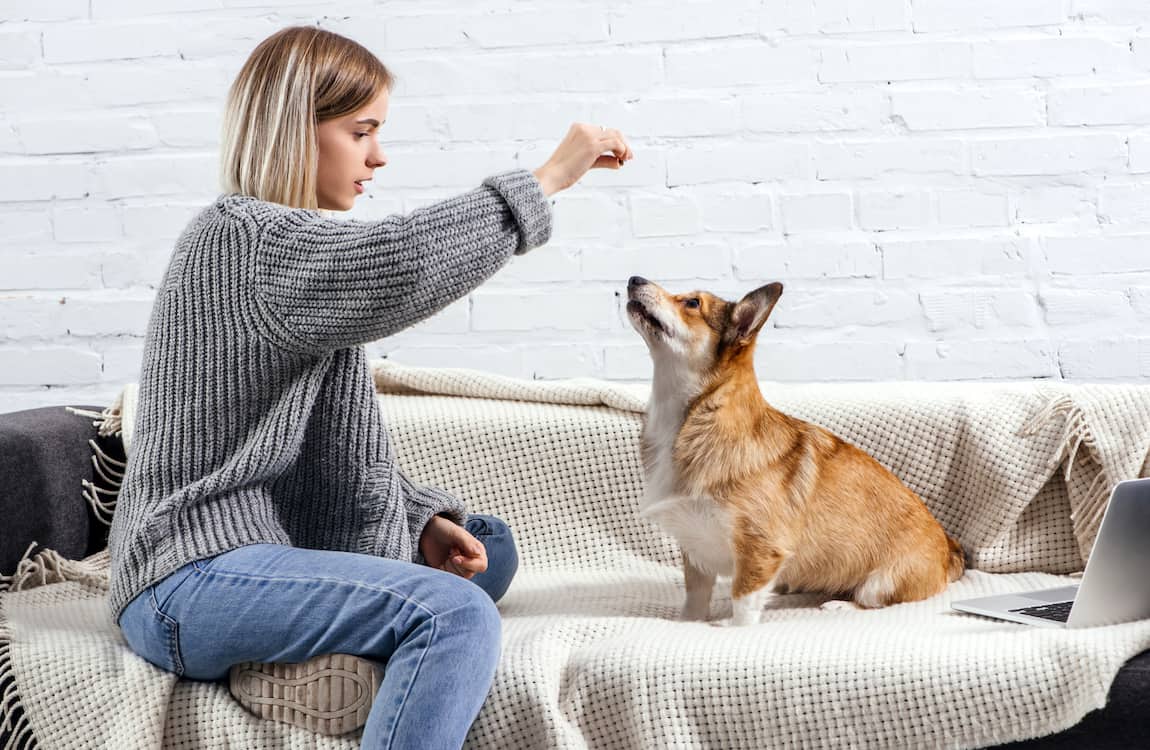
Does your dog jump before you say hello, bolt through doors, grab food instantly, pull on the leash, or lose control around people and dogs? You’re not dealing with a “bad” or “stubborn” dog. You’re dealing with poor impulse control—a very common and very fixable challenge.
This article explains what impulse control really means, why some dogs struggle more than others, when it’s a concern, and how to help your dog learn self-control step by step.
What Does Poor Impulse Control Look Like?
You may notice your dog:
-
Jumping on people
-
Pulling hard on the leash
-
Grabbing food or toys immediately
-
Barking or lunging when excited
-
Ignoring cues when overstimulated
-
Struggling to wait or settle
The pattern is acting first, thinking later—especially during excitement.
Why Some Dogs Struggle With Impulse Control

1. Age and Brain Development (Very Common)
Young dogs and adolescents:
-
Have immature impulse regulation
-
Get overwhelmed easily
-
Improve with time and training
This is normal—but still needs guidance.
2. High Energy or Working Breeds
Dogs bred to work fast and think independently often struggle with slowing down:
-
Herding breeds
-
Sporting breeds
-
Terriers
They need structured outlets, not just exercise.
3. Overstimulation
Too much input = loss of control.
-
Busy environments
-
Exciting guests
-
Long, chaotic play sessions
An overstimulated dog cannot self-regulate.
4. Lack of Skill (Not Disobedience)
Impulse control is a learned skill, not a personality flaw.
-
If it wasn’t taught, it can’t be expected
-
Dogs don’t automatically know how to wait
5. Anxiety or Emotional Dysregulation
Anxious dogs often act impulsively because:
-
Their nervous system is on high alert
-
Calm behaviors feel impossible
6. Inconsistent Rules
If sometimes jumping works and sometimes it doesn’t:
👉 Your dog will keep trying.
Consistency shapes self-control.
When Poor Impulse Control Is a Red Flag
🚨 Get professional help if your dog:
-
Escalates into snapping or aggression
-
Cannot calm down at all
-
Shows signs of anxiety or reactivity
-
Gets worse instead of better with age
Impulse control issues tied to fear or aggression need expert guidance.
How to Build Impulse Control (What Actually Works)
Start With the Basics
Impulse control grows from calm foundations, not correction.
✅ Teach:
-
Sit
-
Down
-
Place / mat
-
Eye contact (“watch me”)
Reward calm, not excitement.
Practice Waiting (Every Day)
Build patience into daily life:
-
Wait before meals
-
Wait at doors
-
Wait before getting toys
Start with seconds, not minutes.
Lower Arousal First
You can’t teach control to an overstimulated dog.
-
Short training sessions
-
Calm walks (not constant excitement)
-
Decompression sniffing
Reinforce Calm Choices
Catch your dog being calm:
-
Lying quietly
-
Choosing not to jump
-
Looking at you instead of reacting
Calm behaviors must pay off.
Use Structure, Not Punishment
❌ Don’t yell
❌ Don’t leash-pop or scold
❌ Don’t expect instant results
Punishment increases stress—and stress kills self-control.
How Long Does It Take to Improve?
With consistency:
-
Small improvements in weeks
-
Noticeable change in 1–2 months
-
Major progress with continued practice
Impulse control strengthens like a muscle—the more it’s trained, the stronger it gets.
When a Trainer or Vet Can Help
Professional help is useful if:
-
Progress stalls
-
Anxiety is involved
-
Multiple problem behaviors exist
In some cases, anxiety management or medication helps dogs learn more effectively.
Final Takeaway
Impulse control isn’t about obedience—it’s about emotional regulation. Dogs who struggle with it aren’t trying to be difficult; they’re trying to cope with big feelings in fast-moving bodies.
🐾 When you teach your dog how to pause, you give them a skill that improves every part of their life—and yours.