
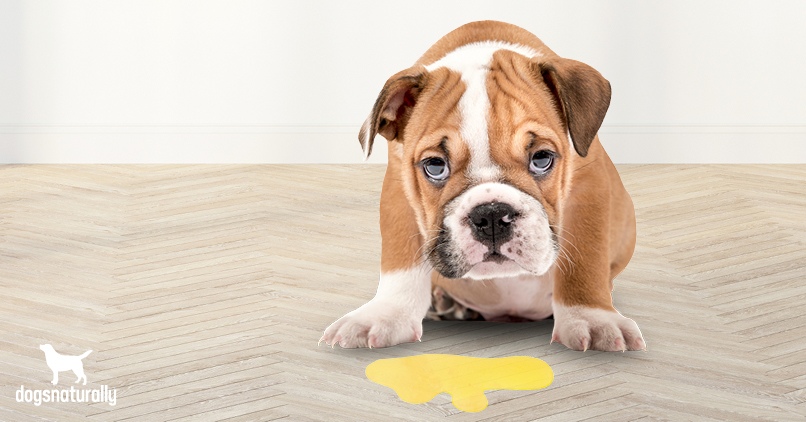
My Dog Threw Up Yellow Foam — What Does It Mean and When Should You Worry?
Seeing your dog vomit yellow foam can be unsettling, but it’s one of the most common types of vomiting in dogs. The yellow color typically comes from bile, a digestive fluid produced in the liver and stored in the gallbladder.
Sometimes it’s harmless… sometimes it’s the body’s warning sign.
Let’s break down what it means, why it happens, and when it could be dangerous.
1️⃣ What Exactly Is Yellow Foam?
Yellow foam is a mixture of:
• Bile
• Stomach acid
• Mucus
• Air bubbles
Dogs vomit bile when:
• Their stomach is empty
• Stomach lining becomes irritated
• Digestive fluid backs up into the stomach
• A medical condition affects digestion
Bile vomiting is not unusual—but recurring episodes need attention.
2️⃣ The Most Common Causes of Yellow Foam Vomiting
A. Bilious Vomiting Syndrome (Empty-Stomach Vomiting)
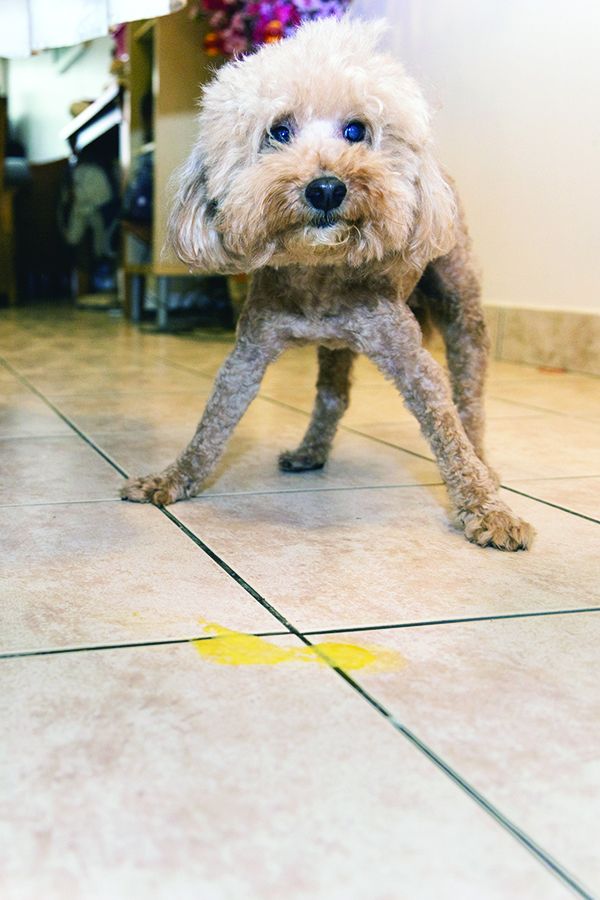

This is the most frequent cause of yellow foam in otherwise healthy dogs.
Why it happens:
When the stomach stays empty for too long, bile irritates the stomach lining → causing nausea → causing vomiting.
Typical signs:
• Vomits early in the morning or late at night
• Vomits once, then acts completely normal
• Appetite and energy remain normal
Fix:
• Add a small bedtime snack
• Feed more frequent, smaller meals
• Avoid long fasting periods
B. Eating Grass, Dirt, or Irritants


Grass, leaves, dirt, and debris can upset the stomach.
This irritation triggers bile reflux and vomiting shortly afterward.
Not dangerous unless:
• It happens repeatedly
• Vomiting continues after emptying stomach
• Dog also has diarrhea or lethargy
C. Gastritis (Stomach Inflammation)
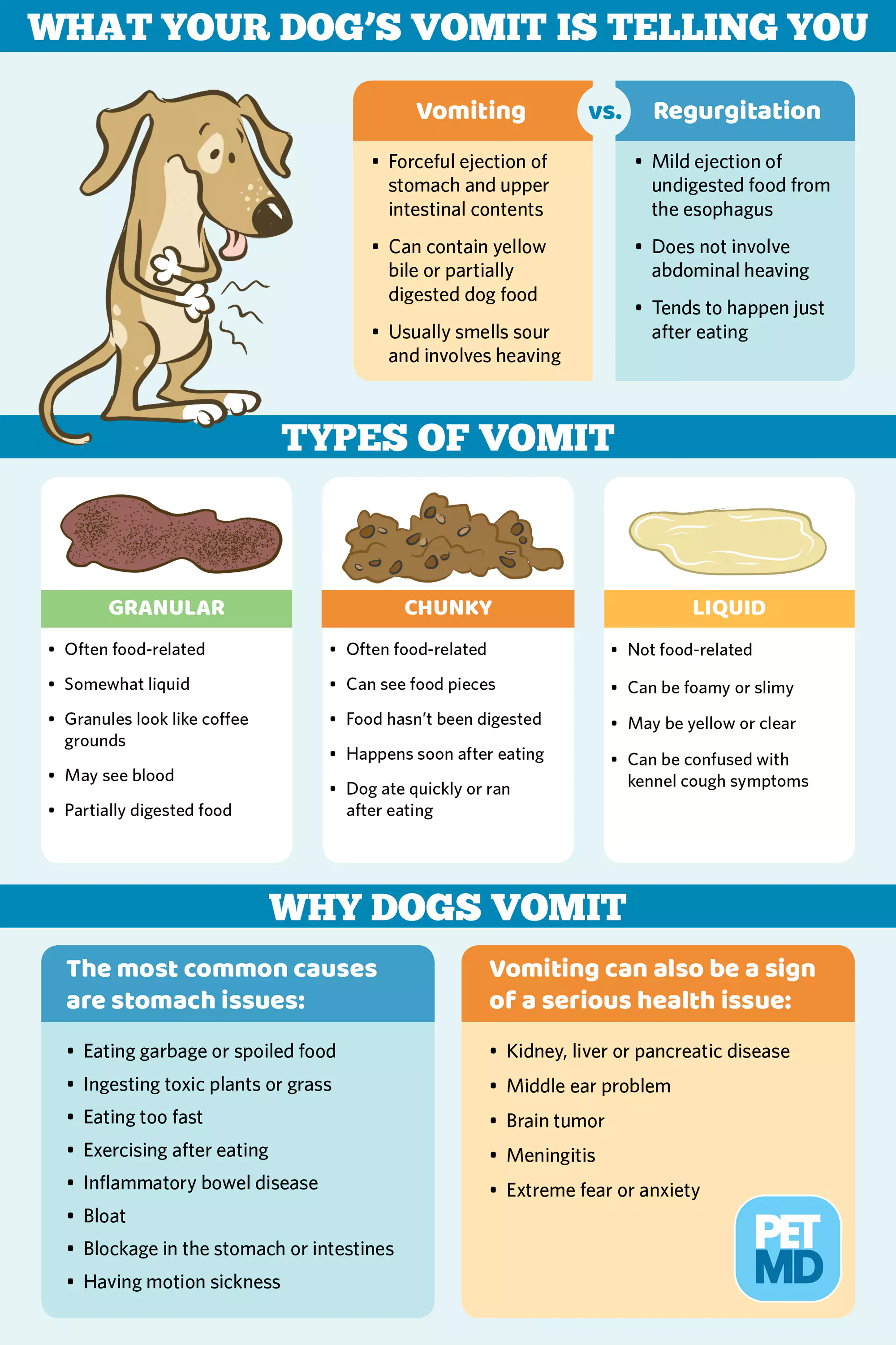
Common triggers:
• Sudden diet change
• Eating fatty or spoiled food
• Human food
• Stress
• Overeating
Symptoms:
• Repeated vomiting
• Loss of appetite
• Occasional diarrhea
• Gurgling stomach
Mild gastritis often resolves with rest and bland food.
D. Food Intolerance or Food Allergy


If vomiting yellow foam occurs right after meals, your dog may not tolerate an ingredient.
Other signs include:
• Itching or redness
• Gas, soft stool
• Lip-licking after eating
• Frequent burping
A limited-ingredient or hypoallergenic diet may help.
E. Intestinal Blockage (Serious Emergency)

Blockages occur when dogs swallow objects like toys, bones, cloth, or sticks.
Red-flag symptoms:
❗ Repeated vomiting but nothing comes out
❗ Painful or bloated abdomen
❗ No stool
❗ Lethargy, shaking
❗ Refusal to eat
This is life-threatening and requires emergency veterinary care.
F. Pancreatitis (Very Serious)

Often triggered by fatty foods (like pork, cheese, grease, fried foods).
Symptoms:
• Repeated vomiting
• Abdominal pain (hunched posture)
• Diarrhea
• Weakness
• No appetite
This condition requires immediate veterinary treatment.
3️⃣ When Is Yellow Vomit Dangerous?
Seek a vet immediately if your dog shows:
❗ Vomiting multiple times in a day
❗ Vomiting continues for 24+ hours
❗ Blood in vomit (red or coffee-ground appearance)
❗ Diarrhea + vomiting
❗ Refuses food or water
❗ Swollen or painful abdomen
❗ Lethargy or collapse
These symptoms can indicate infection, blockage, pancreatitis, toxin ingestion, or another serious condition.
4️⃣ Safe Home Care (Only for Mild, One-Time Vomiting)
✔ Offer small amounts of water
✔ Withhold food for 6–8 hours (adult dogs only)
✔ Feed bland food (boiled chicken + rice)
✔ Add probiotics
✔ Switch to smaller, more frequent meals
✔ Avoid high-fat foods
If vomiting continues → vet visit is required.
💡 Final Thoughts
Yellow foam vomiting can mean something as simple as an empty stomach, or something as serious as pancreatitis or intestinal blockage.
The key is observing frequency, timing, and other symptoms.
When in doubt:
➡ One isolated episode = usually okay
➡ Repeated vomiting = contact your vet
Your dog’s digestive system is sensitive — paying attention early can prevent a medical emergency.