
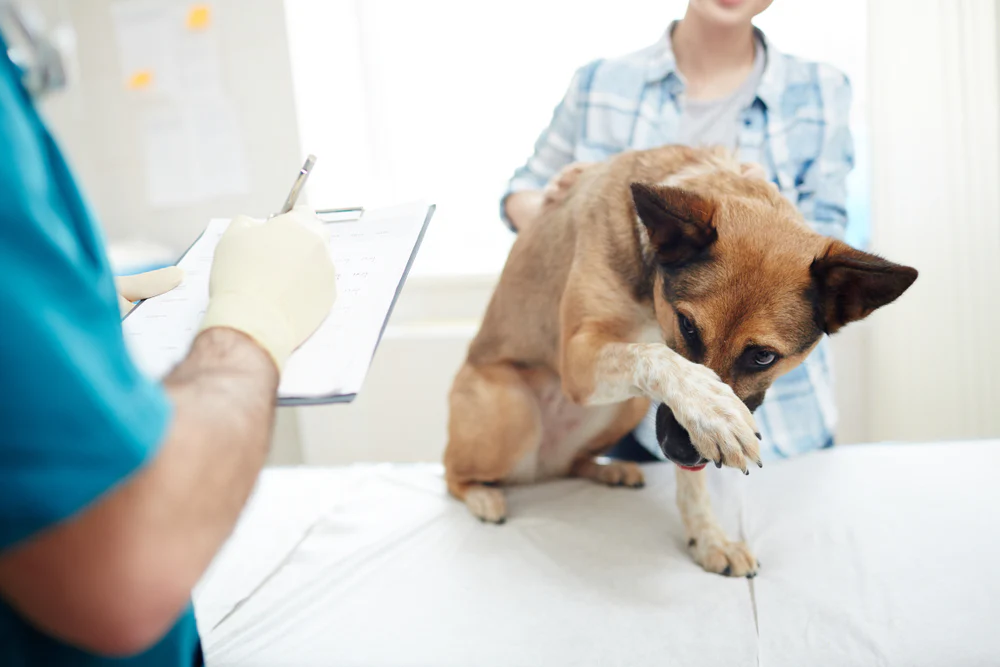
If your dog starts trembling, shaking, freezing, or clinging to you at the vet, you’re not imagining it—this is a very real fear response. For many dogs, the veterinary clinic triggers intense anxiety. While mild nervousness is common, strong trembling can signal extreme fear or panic, and it deserves to be taken seriously.
This article explains why dogs tremble at the vet, how to tell normal stress from extreme fear, and what you can do to help your dog feel safer.
What Vet-Related Trembling Looks Like
You may notice your dog:
-
Shaking or trembling uncontrollably
-
Tucking tail tightly under the body
-
Freezing in place or refusing to move
-
Panting heavily or drooling
-
Wide eyes (“whale eye”)
-
Trying to hide or climb into your lap
-
Vocalizing or shutting down completely
👉 Trembling is often a fight-or-flight response, not misbehavior.
Why Dogs Tremble at the Vet
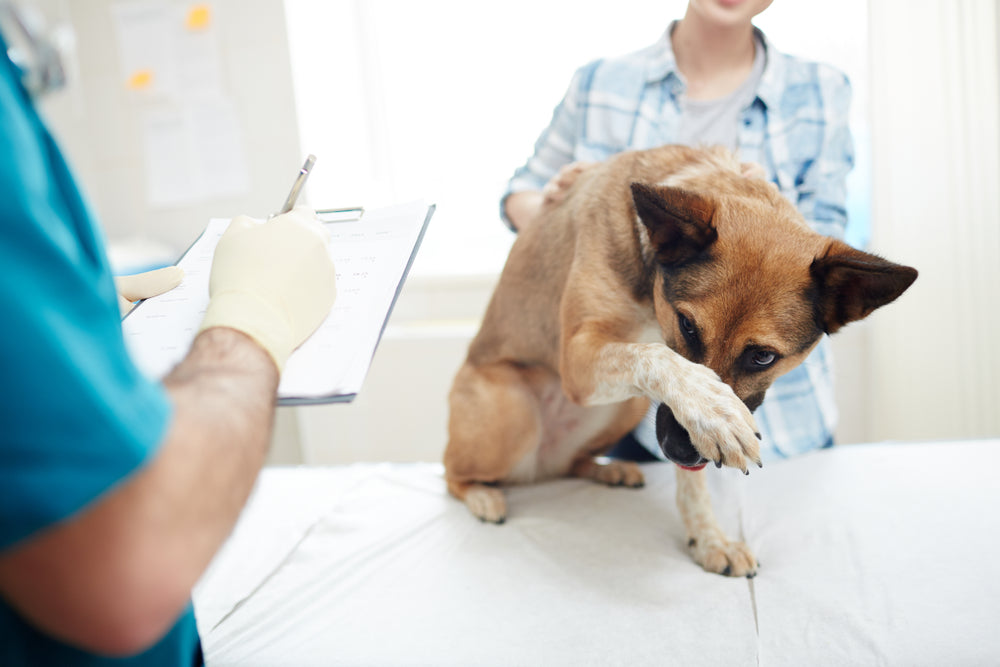
1. Learned Fear From Past Experiences
Dogs remember:
-
Painful injections
-
Restraint
-
Surgery or illness
Even one bad experience can create lasting fear tied to the clinic.
2. Sensory Overload
Vet clinics are overwhelming:
-
Smells of disinfectants, blood, and stress pheromones
-
Sounds of barking, whining, metal tools
-
Slippery floors and bright lights
Dogs experience the vet with far more intense senses than humans.
3. Anticipation of Pain or Discomfort
Dogs learn patterns.
-
Car ride → vet → something unpleasant
The fear can start before you even arrive.
4. Genetic or Personality Factors
Some dogs are naturally:
-
More sensitive
-
Less resilient to stress
-
Prone to anxiety
Fearful temperament is not a training failure.
5. Underlying Pain or Illness
Dogs in pain are more reactive.
-
Handling hurts more
-
Fear increases when touched
Pain and fear often reinforce each other.
When Trembling Is More Than “Normal Nervousness”
🚨 Your dog may have extreme fear or panic if they:
-
Tremble intensely the entire visit
-
Refuse treats even if food-motivated
-
Try to escape, snap, or growl from fear
-
Shut down completely (won’t move or respond)
-
Continue trembling long after leaving
These dogs benefit from fear-free veterinary strategies.
What You Can Do to Help Your Dog
Before the Visit
-
Choose a fear-free or low-stress certified clinic if possible
-
Bring high-value treats (only for vet visits)
-
Practice calm car rides without going to the vet
-
Ask your vet about anti-anxiety medication if fear is severe
During the Visit
-
Stay calm—dogs read your emotions
-
Don’t force your dog to approach staff
-
Allow treats, breaks, and gentle handling
-
Advocate for your dog if they’re overwhelmed
After the Visit
-
Reward generously
-
Keep the rest of the day calm
-
Avoid overstimulation
This helps prevent fear from becoming worse next time.
How Vets Manage Extreme Fear
Many clinics now offer:
-
Fear-free handling techniques
-
Non-slip mats and quiet rooms
-
Shorter, slower appointments
-
Pre-visit calming medication
-
Cooperative care approaches
Fear management improves both emotional and physical health.
Can Dogs Overcome Vet Fear?
Yes—with patience and the right approach.
-
Gradual desensitization
-
Positive associations
-
Medication when needed
Fear doesn’t disappear overnight, but it can improve dramatically.
What NOT to Do
❌ Scold trembling
❌ Force interactions
❌ Assume “he’ll get used to it”
❌ Ignore signs of panic
Fear is not stubbornness—it’s overwhelm.
Final Takeaway
If your dog trembles at the vet, it’s not weakness or drama—it’s fear. And when fear is intense, it deserves compassion, planning, and support.
🐾 Helping your dog feel safe at the vet isn’t just kindness—it leads to better care, safer exams, and a healthier life.