
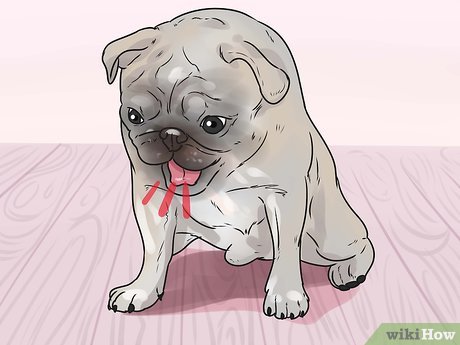
If your dog is repeatedly gagging, retching, or making vomiting motions but nothing comes out, this is not normal behavior and should always be treated as urgent. Many owners assume their dog is choking—but in some cases, the cause is even more dangerous.
This article will help you understand what’s happening, how to tell the difference between common causes, and exactly what to do next.
What Does “Trying to Vomit but Can’t” Actually Mean?
You may notice your dog:
-
Making repeated vomiting motions with no vomit
-
Gagging or retching every few minutes
-
Drooling excessively or producing foamy saliva
-
Pacing, whining, or acting anxious
-
Stretching their neck forward
-
Lying down and getting up repeatedly
⚠️ These signs indicate severe discomfort or internal distress.
Most Common Causes (From Serious to Life-Threatening)

1. Choking on a Foreign Object
Dogs explore with their mouths. Common choking hazards include:
-
Bones, sticks, toys
-
Balls too small for the throat
-
Large chunks of food
Signs that suggest choking:
-
Sudden onset during eating or chewing
-
Pawing frantically at the mouth
-
Loud gagging or coughing
-
Difficulty breathing
🚨 If your dog is struggling to breathe, this is an emergency.
2. Bloat / Gastric Dilatation-Volvulus (GDV) — EXTREME EMERGENCY
This is the most dangerous cause of unproductive retching.
Bloat occurs when the stomach fills with gas and may twist, trapping air and cutting off blood flow.
Classic signs of bloat:
-
Repeated attempts to vomit with nothing coming out
-
Rapid abdominal swelling or tight belly
-
Excessive drooling
-
Restlessness, panic, pacing
-
Rapid breathing or collapse
⚠️ Dogs can die within hours without surgery.
High-risk dogs:
-
Large or deep-chested breeds (German Shepherds, Great Danes, Labs)
-
Dogs that eat quickly
-
Dogs that exercise right after eating
3. Kennel Cough or Airway Irritation
Sometimes gagging looks like vomiting.
Clues it may be respiratory:
-
Dry, hacking cough
-
“Goose-honk” sound
-
Gagging followed by swallowing
-
Dog otherwise alert and active
This is usually not an emergency, but still needs veterinary care.
4. Acid Reflux or Severe Nausea
Dogs with stomach irritation may:
-
Gag repeatedly
-
Lick lips excessively
-
Swallow often
-
Act uncomfortable, especially at night
If symptoms persist or worsen, a vet visit is needed to rule out serious causes.
How to Tell the Difference: Choking vs. Bloat

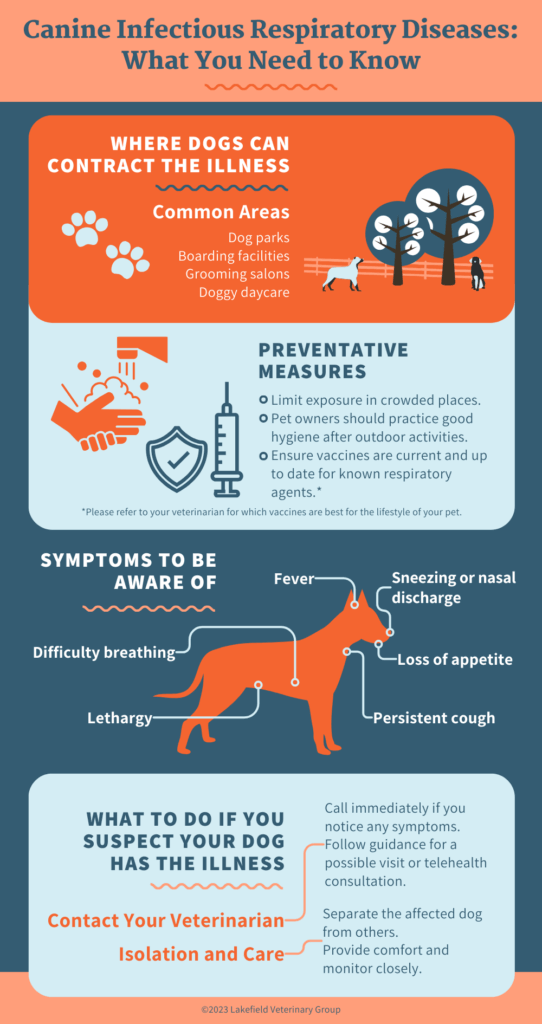
More Likely Choking
✔ Sudden onset while eating
✔ Coughing or gagging noises
✔ Pawing at mouth
✔ Object may be visible
More Likely Bloat (GO NOW)
❌ No coughing
❌ Continuous unproductive retching
❌ Swollen or hard abdomen
❌ Rapid decline in energy
❌ Signs of shock
👉 If you’re unsure, assume bloat and seek emergency care immediately.
What You Should Do IMMEDIATELY
-
Stay calm — your dog will sense panic
-
Check the mouth only if safe
-
Do NOT push fingers deep into the throat
-
Do NOT offer food or water
-
Do NOT wait to “see if it passes”
-
Go to an emergency vet immediately if retching continues or breathing is abnormal
⏱️ Minutes matter in true emergencies.
What NOT to Do
❌ Don’t induce vomiting
❌ Don’t give human medications
❌ Don’t assume it’s hair or indigestion
❌ Don’t delay overnight
How Veterinarians Will Diagnose and Treat
At the clinic, your vet may:
-
Perform X-rays or ultrasound
-
Administer oxygen and IV fluids
-
Remove foreign objects under sedation
-
Perform emergency surgery for bloat
-
Prescribe medications for nausea or reflux
Early intervention dramatically improves survival.
Final Takeaway
If your dog is trying to vomit but can’t, this is an emergency until proven otherwise. Choking and bloat can look similar, but both require fast action.
🐾 Trust your instincts—acting quickly can save your dog’s life.