
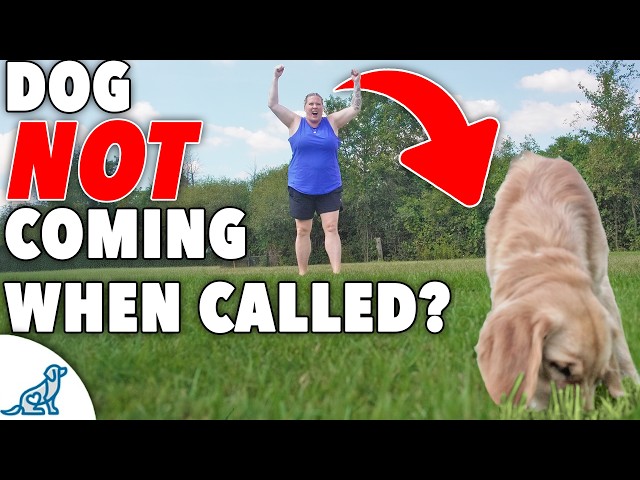
When your dog refuses to come unless you shout, it can feel frustrating — even embarrassing. But this behavior almost always has a clear explanation. Dogs are not being “disobedient.” They are responding exactly to what they’ve unintentionally learned, what they feel, or what their senses allow them to perceive.
Below is a deep, behavior-based breakdown of why this happens — and how you can restore a calm, reliable recall.
1️⃣ Your Dog Has Learned That Soft Calling = Optional
Dogs learn patterns extremely quickly. If your dog only responds when you raise your voice, that behavior was shaped over time.

📌 Why this happens
-
The dog has learned that “normal voice” does not require action
-
The dog only associates urgency with compliance
-
Owners often repeat the name multiple times → dog learns to wait
📌 How to fix
-
Re-teach recall with one cue = one reward
-
Stop repeating their name
-
Use a happy tone and reward instantly when they come
2️⃣ Dogs Get Easily Overstimulated Outdoors
Outside is a sensory explosion. Your dog may literally not register your soft voice
📌 Outdoor distractions overpower you:
-
Smells
-
Birds, squirrels, insects
-
Sounds
-
Other dogs
-
Movement of leaves, people, bicycles
To your dog, your voice becomes background noise.
📌 How to fix
-
Teach recall in increasing difficulty:
Indoor → Backyard → Quiet park → Busy area -
Use high-value rewards outdoors
3️⃣ Could Your Dog Be Losing Partial Hearing?
If your dog used to come but now only responds to shouting, hearing issues may be involved.
📌 Possible causes:
-
Ear infections
-
Wax buildup
-
Age-related hearing loss
-
Chronic allergies leading to ear inflammation
📌 Signs to watch for
-
Dog startles easily
-
Doesn’t wake to soft sounds
-
Shakes head frequently
📌 What to do
Schedule a vet exam to rule out medical causes.
4️⃣ Recall Was Never Fully Trained (Very Common!)
Many owners teach “Come!” at home… but never proof it in harder environments.

📌 Dogs do not generalize well
A dog who comes perfectly in the living room may fail completely at the park — because they perceive it as a different skill.
📌 Fix it with structured training:
-
Start 3 steps away → reward
-
Then 6 → reward
-
Add mild distractions
-
Increase distance
-
Increase real-world distractions
5️⃣ Your Dog Associates “Come” With Something Negative
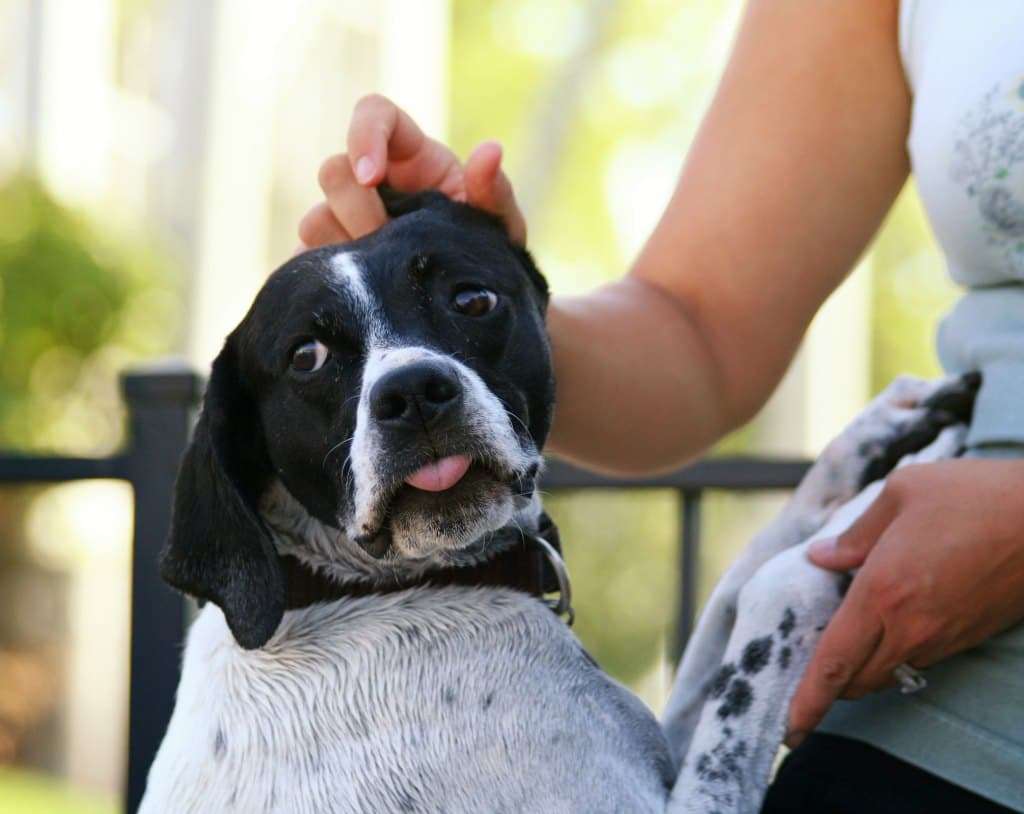
Many dogs avoid coming because the cue predicts something unpleasant.
📌 Common negative associations:
-
Bath time
-
Nail trim
-
End of play
-
Going inside
-
Medication
-
Scolding
If recall = “fun ends,” your dog will resist.
📌 Fix
-
Make 80–90% of recalls → positive outcomes
-
Call your dog randomly for treats, praise, play
6️⃣ Anxiety or Stress Interferes With Recall
Some dogs freeze or ignore commands when they feel overwhelmed.

📌 Triggers:
-
New environments
-
Loud noises
-
Strange dogs
-
Past punishment
A stressed dog isn’t disobeying — it’s coping.
📌 Fix
-
Train in calm environments
-
Build confidence gradually
-
Use calm body language
7️⃣ The Environment Is Simply More Rewarding Than You
This is not personal — it’s biology.
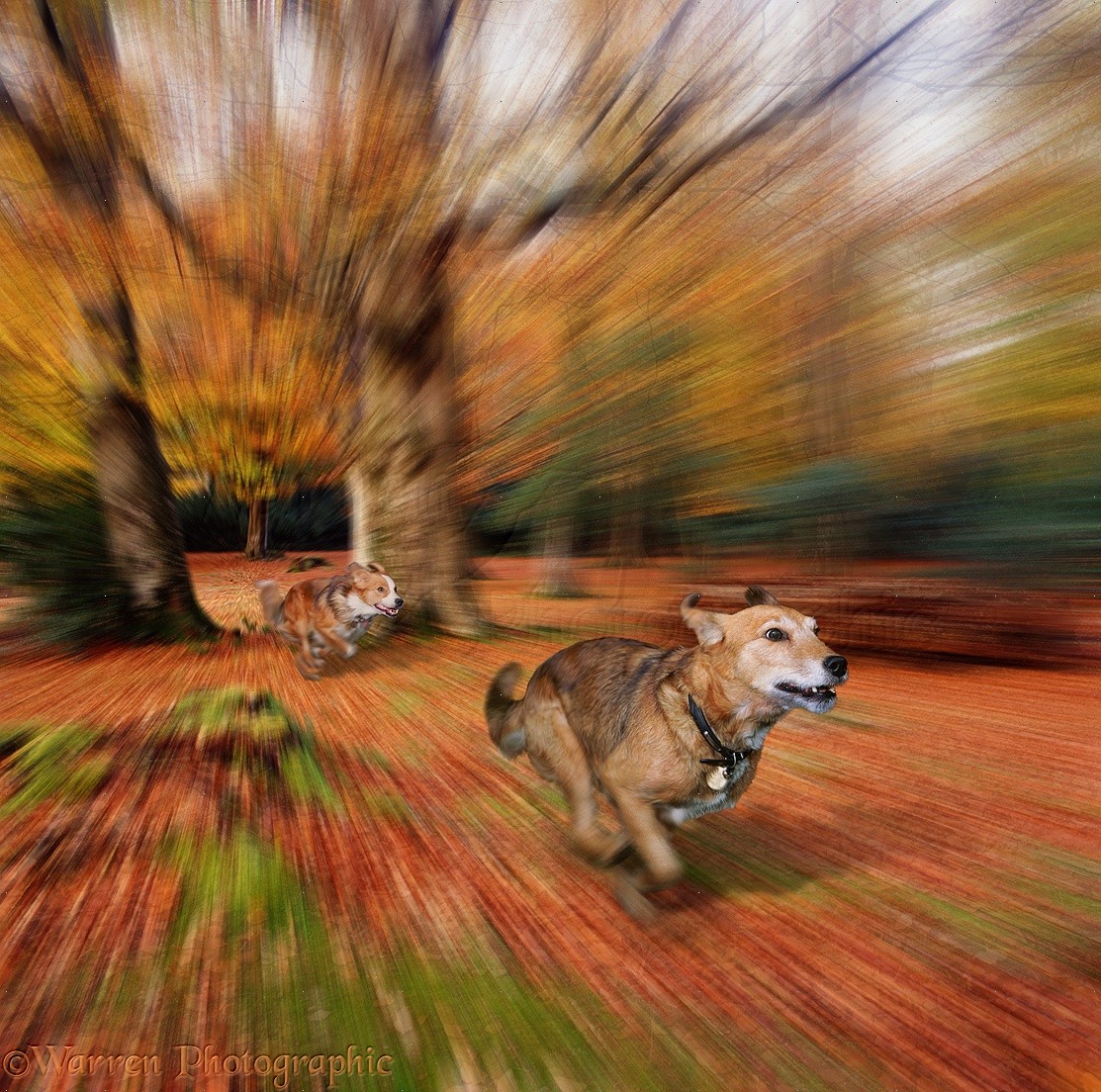
Dogs are wired to follow smells, movement, and prey-like stimuli.
📌 Fix
-
Use extremely rewarding treats outdoors
-
Add play into recall training
-
Be unpredictable and fun
🎯 How to Fix the Entire Problem (Fast & Effectively)
✔️ Use a single clear cue (“Come!” or “Here!”)
✔️ Stop shouting — retrain calmly
✔️ Reward generously
✔️ Gradually increase difficulty
✔️ Never call your dog for unpleasant things
✔️ Rule out ear problems
With consistent practice, your dog will respond to a soft call again — happily and reliably.