

If your dog’s belly becomes red, blotchy, or itchy after lying or rolling on grass, this is very common and usually points to contact irritation or grass allergies. Because belly skin is thin and often hairless, it reacts first.
Here’s how to tell what’s normal, what needs treatment, and how to prevent it.
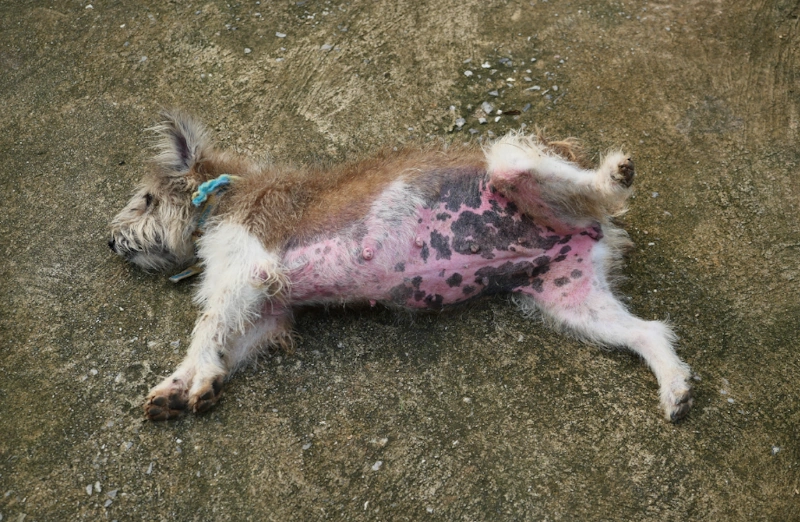
What This Reaction Usually Looks Like
You may notice:
-
Pink to bright red belly or inner thighs
-
Small bumps or hives
-
Warm skin
-
Licking or scratching after outdoor time
-
Redness that fades indoors
👉 If redness appears after grass exposure and improves later, grass contact is the likely trigger.
Most Common Causes
1. Contact Dermatitis (Most Likely)
Grass can irritate skin due to:
-
Pollen
-
Natural plant oils
-
Fertilizers or lawn chemicals
This causes localized redness, usually on the belly, chest, and legs.
2. Environmental Allergies
Dogs allergic to:
-
Grass pollen
-
Weeds
-
Trees
often show symptoms on skin, not sneezing like humans.
Signs may include:
-
Recurrent belly redness
-
Paw licking
-
Ear infections
3. Heat & Friction
Rolling or running in warm grass can cause:
-
Mild inflammation
-
Temporary redness
Especially common in short-haired dogs.
When It’s Usually NOT Serious
✅ Redness:
-
Appears only after grass
-
Fades within a few hours
-
Isn’t oozing or crusted
-
Doesn’t cause severe itching
This can often be managed at home.
When to Be Concerned
⚠️ See your vet if:
-
Redness lasts more than 24–48 hours
-
Skin becomes raw, weepy, or scabby
-
Your dog is intensely itchy
-
There’s hair loss or odor
-
Symptoms keep recurring
These can signal secondary infection or a stronger allergy.
What You Can Do Right Now

1. Rinse or Wipe After Grass
-
Use cool water or hypoallergenic pet wipes
-
Focus on belly, legs, and paws
This removes allergens before they irritate skin.
2. Dry Thoroughly
Moisture worsens irritation. Pat dry—don’t rub.
3. Stop the Licking
-
Distract with a chew or activity
-
Use a cone or shirt briefly if needed
Licking can turn mild redness into infection.
4. Avoid Treated Lawns
Skip areas with:
-
Fertilizers
-
Herbicides
-
Recent lawn treatments
These commonly cause rashes.
Can You Use Creams?
-
❌ Avoid human steroid or antibiotic creams unless your vet approves
-
✅ Use vet-recommended soothing sprays or shampoos if advised
Always ask before applying medication.
Long-Term Prevention
-
Regular belly rinses during allergy seasons
-
Limit rolling in grass
-
Use protective shirts for sensitive dogs
-
Vet-guided allergy management if recurrent
Final Takeaway
A red belly after grass is usually a mild contact reaction or environmental allergy, not an emergency. But if it’s frequent, persistent, or worsening, your dog may need medical support to prevent infections and discomfort.
🐾 Grass feels good to roll in—but not every dog’s skin agrees.