
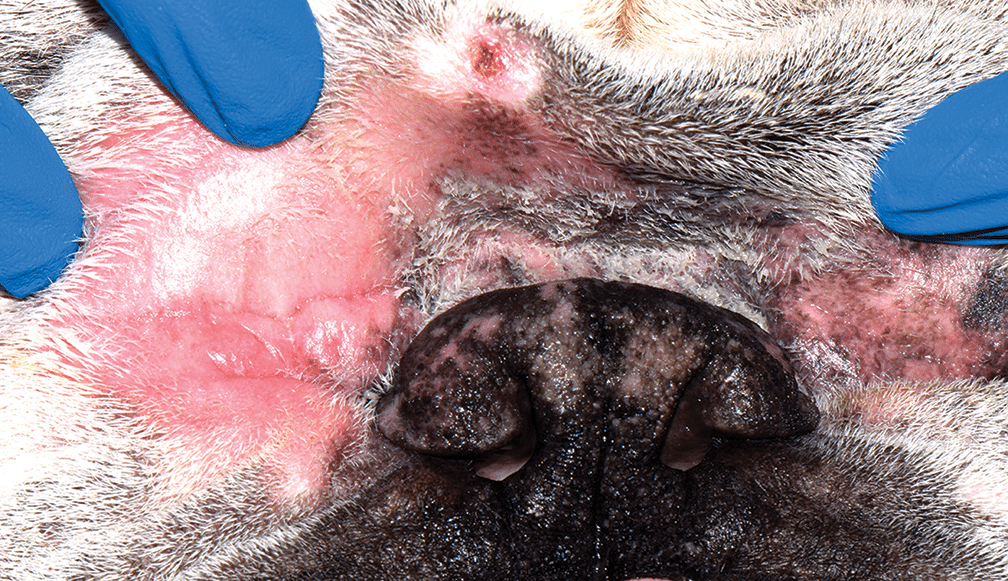
It’s common for dog owners to notice pink or reddish skin on the belly, armpits, paws, or inner thighs after walks. Sometimes it’s harmless… but sometimes it’s a sign of allergies, heat irritation, or skin sensitivity that needs attention.
This guide breaks down the most common reasons why a dog’s skin turns pink after being outdoors — and how to know when you should worry.
1️⃣ Heat or Exercise-Related Skin Flushing (Often Normal)
Just like humans flush after exercise, dogs may develop temporary pink skin after:
• Long walks
• Warm weather
• Running or excitement
Signs it is normal:
✔ Pinkness fades within 20–40 minutes
✔ No itching, licking, or discomfort
✔ Happier, normal behavior
If the redness disappears quickly → it’s usually harmless.
2️⃣ Environmental Allergies (Most Common Non-Normal Cause)
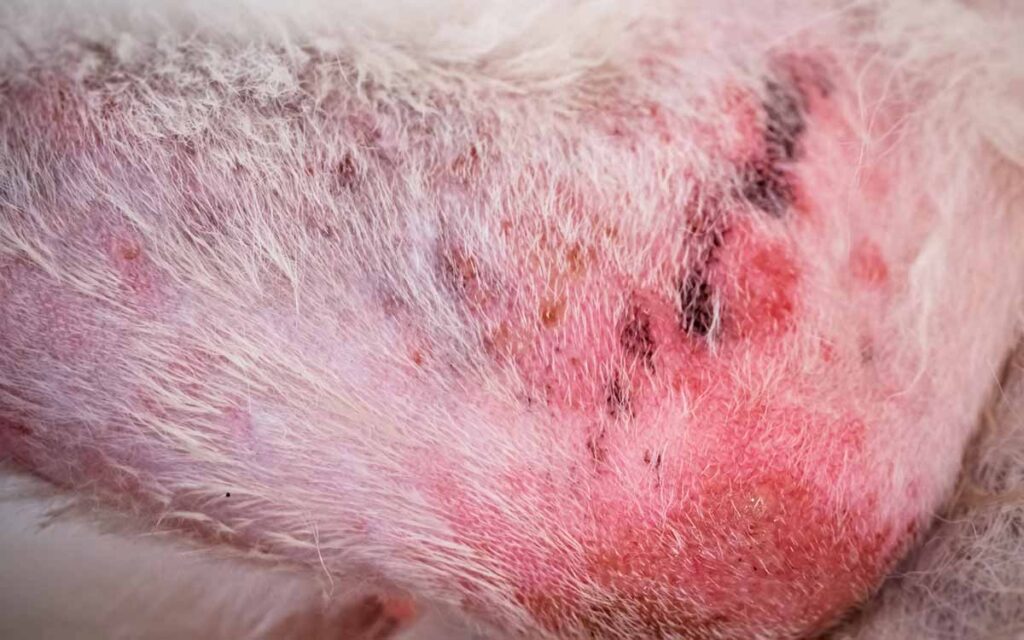

Grass, pollen, weeds, and outdoor allergens can irritate the skin — especially the belly and armpits.
Signs of allergies:
• Pink → red skin after walks
• Licking paws when coming home
• Red eyes or sneezing
• Rash in armpits or groin
• Comes and goes with seasons
If the skin gets more irritated after being outside, allergies are highly likely.
3️⃣ Contact Irritation (Grass, Chemicals, Pavement)
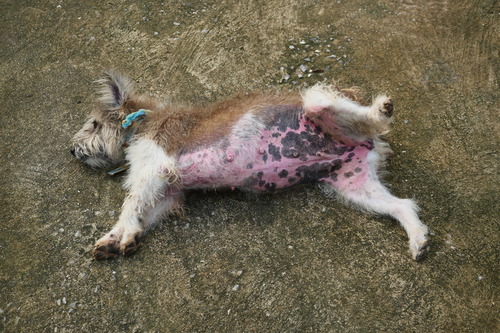
Certain surfaces irritate sensitive dogs, such as:
• Grass treated with pesticides
• Rough pavement
• Wet lawns
• Weeds or plants
Clues:
• Pinkness appears immediately after the walk
• Belly and inner thighs most affected
• Sometimes mild bumps appear
Rinsing the belly and paws after walks often helps.
4️⃣ Yeast or Bacterial Overgrowth Triggered by Moisture + Heat

If your dog gets sweaty or damp during walks, yeast may overgrow in warm areas like:
• Armpits
• Belly folds
• Groin
• Paws
Signs:
• Pink → red → brownish skin
• Musty odor
• Excessive licking
• Recurrent flare-ups in hot weather
This often requires medicated wipes or veterinary treatment.
5️⃣ Insect Bites or Mild Dermatitis

Mosquitoes, ants, or midges can cause localized pink patches after outdoor time.
Clues:
• Small pink welts
• Dog tries to scratch the area
• Happens more at dawn/dusk
Most insect-related redness fades quickly.
6️⃣ When Pink Skin Is Not Normal (Warning Signs)
Seek veterinary advice if you notice:
❗ Redness lasting more than 1–2 hours
❗ Intense itching, biting, or licking
❗ Raw or oozing skin
❗ Hair loss patches
❗ Swelling or hives
❗ Reactions after every single walk
Persistent pinkness usually indicates allergies or dermatological issues.
📌 How to Help Your Dog at Home
✔ Wipe belly and paws after every walk
✔ Rinse with cool water if grass exposure is high
✔ Avoid pesticide-treated lawns
✔ Use a dog-safe moisturizing spray for sensitive skin
✔ Keep walks shorter on hot days
✔ Try a hypoallergenic diet if food allergy is suspected
For chronic issues, your vet may prescribe:
• Allergy medication (Apoquel, Cytopoint)
• Medicated shampoo
• Anti-itch treatments
• Testing for environmental allergies
💡 Final Thoughts
A dog’s skin turning pink after walks can be completely normal… or the first sign of allergies or irritation.
The key is observing:
✔ How long it lasts
✔ Whether your dog is itchy
✔ Whether it worsens outdoors
When in doubt, early treatment prevents bigger skin problems later.