

When your dog’s stomach makes loud gurgling, rumbling, or bubbling noises, it can be alarming—especially if it happens often or comes with restlessness, licking the floor, grass-eating, vomiting, or loss of appetite.
These sounds are called borborygmi, and while sometimes normal, persistent or loud gurgling signals digestive distress that shouldn’t be ignored.
Below are the most common reasons your dog’s stomach may be rumbling excessively.
1️⃣ Hunger or an Empty Stomach
If your dog hasn’t eaten in several hours, stomach acid can accumulate and cause loud gurgling.
Signs: pacing before meals, licking lips, mild nausea.
2️⃣ Eating Too Fast or Swallowing Air
Dogs who gulp food trap excess air in the stomach → noisy digestion.
Risk: bloat (in deep-chested dogs).


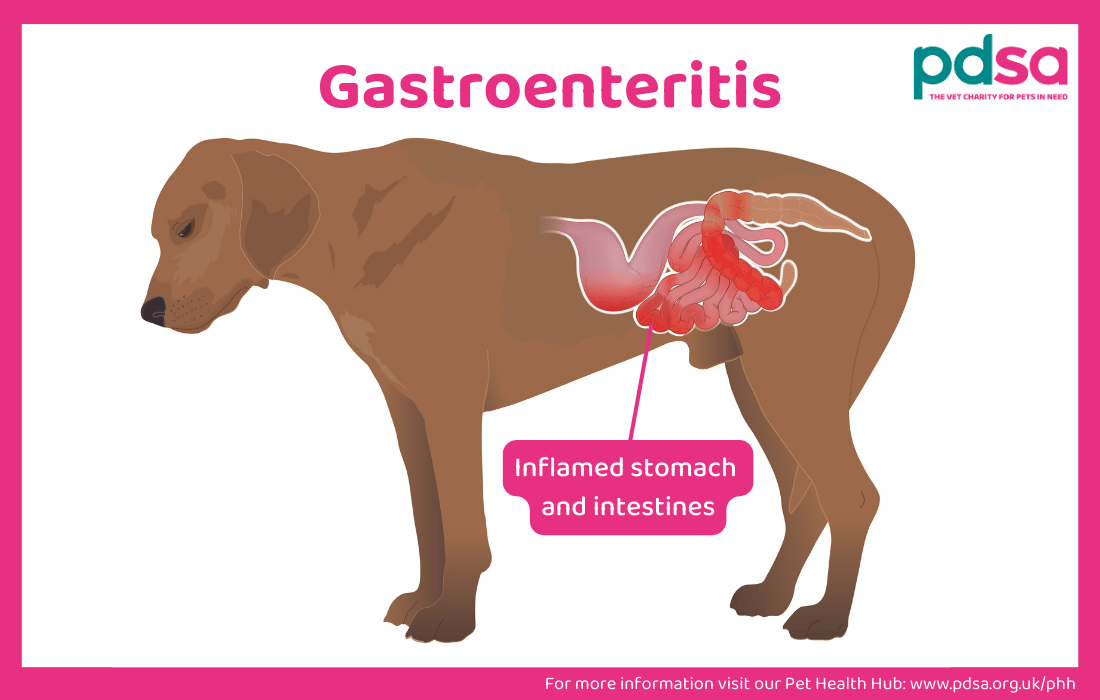
3️⃣ Mild Gastrointestinal Upset
Sudden diet changes, table scraps, or spoiled food can irritate the gut.
Symptoms: gas, diarrhea, stomach noise, vomiting.

4️⃣ Food Sensitivities or Allergies
Common trigger proteins (chicken, beef, dairy) can inflame the gut and cause constant rumbling.
Often paired with: itchy skin, paw licking.

5️⃣ Parasites (worms, giardia, coccidia)
Parasites disrupt digestion, causing gas and intense gut movement.
Warning signs: weight loss, diarrhea with mucus, scooting.


6️⃣ Inflammatory Bowel Disease (IBD)
Chronic inflammation causes constant gurgling, vomiting, and weight changes.
Needs vet testing: bloodwork, ultrasound, elimination diet.


🚨 When It Is an Emergency
Seek immediate vet care if stomach gurgling comes with:
-
repeated vomiting
-
bloody stool
-
swollen or painful stomach
-
refusal to eat
-
extreme lethargy
These may indicate pancreatitis, obstruction, or bloat, which are medical emergencies.