
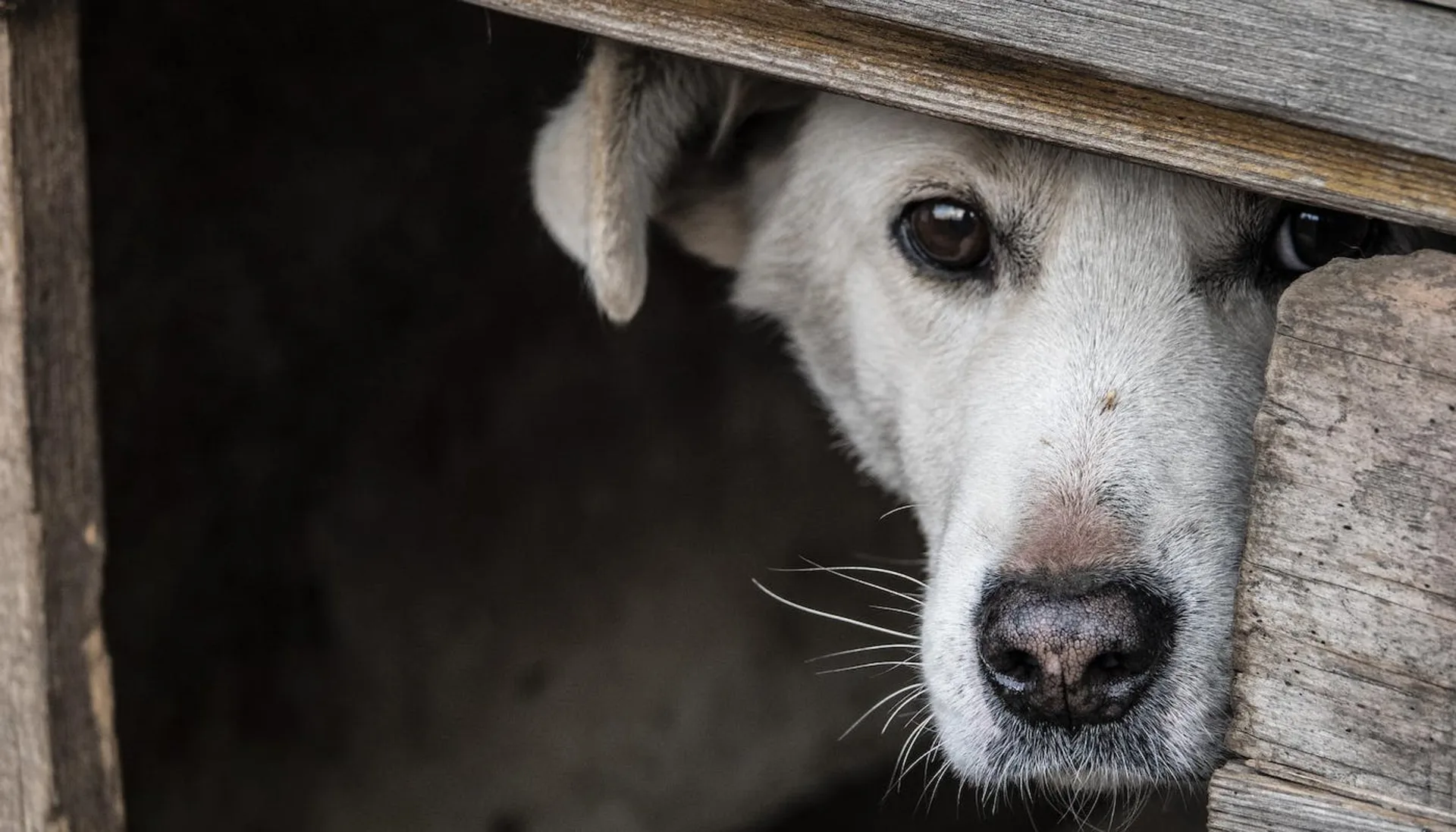
It’s deeply upsetting when a senior dog looks at you like a stranger, hesitates, or seems confused about who you are—especially if it only happens sometimes. This behavior is sadly more common than many owners realize, and it often signals age-related cognitive or sensory changes, not a loss of love.
This article explains why older dogs may fail to recognize their owners at times, when it’s normal aging vs. a warning sign, and how you can help your dog feel safe and oriented again.
What Does “Not Recognizing Me” Look Like?
Owners often describe:
-
Blank or confused staring
-
Hesitation before approaching
-
Barking or growling briefly, then calming
-
Acting startled when you speak
-
Confusion that’s worse at night
-
Moments of clarity followed by confusion again
👉 The on-and-off nature of this behavior is an important clue.
Most Common Reasons This Happens in Senior Dogs
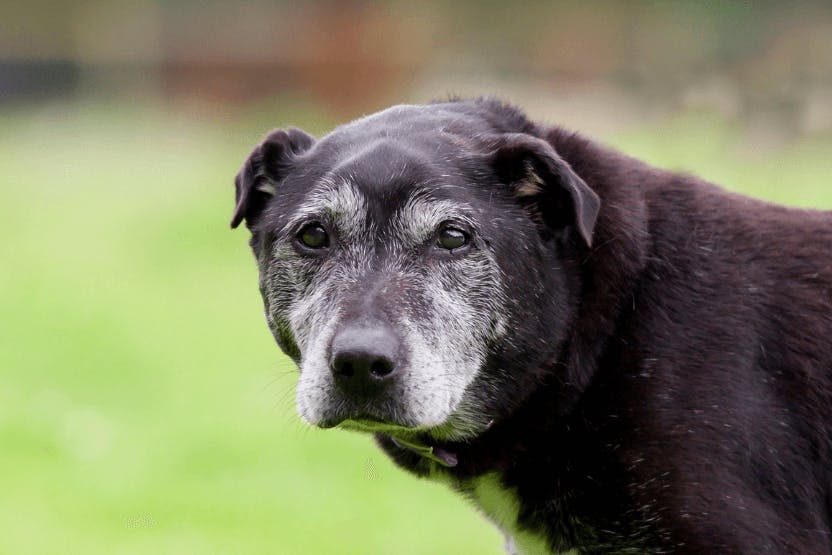
1. Canine Cognitive Dysfunction (Dog Dementia)
⚠️ Most common cause
Similar to Alzheimer’s in humans.
-
Memory loss
-
Disorientation
-
Difficulty recognizing familiar people or places
-
Worse in the evening or at night (sundowning)
Other signs include pacing, staring at walls, and nighttime vocalizing.
2. Vision Loss
If your dog can’t see clearly:
-
Faces become unfamiliar
-
Shadows look threatening
-
Recognition improves once they hear or smell you
Vision loss is often gradual, so confusion appears sudden to owners.
3. Hearing Loss
Dogs may not recognize you because:
-
They don’t hear your footsteps or voice
-
Sudden appearances startle them
Once they smell you, recognition usually returns.
4. Combined Sensory Decline
When vision + hearing decline together, dogs rely heavily on smell.
-
Recognition takes longer
-
Confusion is more frequent
This is very common in dogs over 10–12 years old.
5. Anxiety or Fear Linked to Confusion
Confusion itself is scary.
-
Dogs may freeze, bark, or retreat
-
Fear responses can look like “not knowing you”
This is fear-based, not aggression.
6. Neurological Disease (Less Common, More Serious)
⚠️ Must be ruled out if symptoms progress rapidly.
-
Brain tumors
-
Strokes
-
Inflammation
Often paired with balance issues, seizures, or personality changes.
When This Is a Red Flag
🚨 Contact your vet promptly if your dog:
-
Suddenly becomes confused frequently
-
Gets lost in familiar places
-
Doesn’t recognize you for long periods
-
Shows head tilt, circling, or weakness
-
Has new accidents or sleep reversal
-
Changes personality rapidly
Sudden or worsening confusion should never be ignored.
What You Can Do Right Now
Help Your Dog Recognize You
-
Speak before approaching
-
Let them smell your hand first
-
Move slowly and calmly
Create a Predictable Environment
-
Keep furniture in the same place
-
Use night lights
-
Maintain a consistent routine
Predictability reduces fear.
Reduce Nighttime Confusion
-
Soft lighting in the evening
-
Calm bedtime routine
-
Gentle reassurance if they wake confused
Avoid Startling
❌ Don’t approach silently
❌ Don’t scold fearful reactions
Fear responses are symptoms—not choices.
How Vets Diagnose the Cause
Your veterinarian may:
-
Perform a cognitive assessment
-
Check vision and hearing
-
Run blood tests (thyroid, organ function)
-
Rule out neurological disease
Early diagnosis allows earlier support and better quality of life.
Can Dog Dementia Be Treated?
It can’t be cured—but it can be managed:
-
Medications to support brain function
-
Supplements and antioxidant diets
-
Mental stimulation
-
Environmental support
Many dogs show noticeable improvement or slower decline with treatment.
Final Takeaway
When your old dog doesn’t recognize you sometimes, it’s heartbreaking—but it’s not rejection. It’s usually confusion caused by aging brains or fading senses.
🐾 Your presence, voice, scent, and patience still matter—even when recognition flickers. Supporting your dog through confusion is one of the deepest acts of love.