
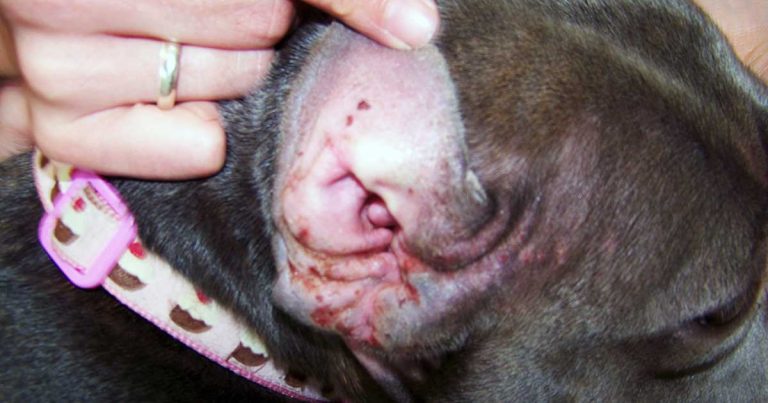
If your Pit Bull (or Pit mix) seems to have never-ending ear infections, you’re not alone—and you’re not doing anything wrong. Recurrent ear infections are very common in Pitties, but they’re not “normal” and shouldn’t be accepted as something your dog just has to live with.
This article explains why Pit Bulls are prone to chronic ear infections, what’s really causing them, how to stop the cycle, and when you need veterinary help.
What Does a Chronic Ear Infection Look Like?
You may notice:
-
Head shaking or ear scratching almost daily
-
Red, inflamed ears (sometimes deep inside only)
-
Yeasty, musty, or foul odor
-
Thick brown, yellow, or black discharge
-
Sensitivity when ears are touched
-
Infections that clear up… then come right back
If this sounds familiar, the root cause is likely still untreated.
Why Pit Bulls Get Ear Infections So Often

1. Allergies (The #1 Cause)
Most chronic ear infections are driven by allergies, not bacteria alone.
Common triggers:
-
Food allergies (chicken, beef, dairy, grains)
-
Environmental allergies (pollen, dust mites, mold)
Allergies cause inflammation inside the ear, creating the perfect environment for yeast and bacteria to overgrow.
2. Yeast Overgrowth
Pit Bulls are especially prone to yeast.
-
Ears may smell like corn chips or bread
-
Dark, greasy discharge
-
Intense itching
Antibiotics alone won’t fix yeast-driven infections.
3. Ear Anatomy & Moisture
Even though Pitties don’t have floppy ears like spaniels, they often have:
-
Narrow ear canals
-
Thick skin
-
Trapped moisture after baths or swimming
Moisture fuels infection.
4. Incomplete Treatment
Stopping ear drops too soon can:
-
Temporarily hide symptoms
-
Allow infection to return stronger
This creates the frustrating repeat-infection cycle.
Why Treating “Just the Infection” Doesn’t Work
Ear infections are usually a symptom, not the main problem.
If you only treat:
❌ The bacteria
❌ The yeast
…but ignore:
⚠️ Allergies
⚠️ Chronic inflammation
…the infection will keep coming back.
When Constant Ear Infections Become Serious

🚨 See a vet urgently if your Pittie:
-
Cries or yelps in pain
-
Develops a head tilt
-
Loses balance
-
Has swelling of the ear flap (hematoma)
-
Stops responding to treatment
Chronic infections can lead to permanent ear damage or hearing loss.
What You Can Do Right Now
✅ Finish all prescribed medications
✅ Clean ears only as directed by your vet
✅ Keep ears dry (especially after baths)
✅ Track flare-ups and possible triggers
✅ Ask about allergy testing or diet trials
❌ Don’t over-clean
❌ Don’t switch drops without guidance
❌ Don’t assume “it’s just yeast again”
How Vets Stop the Cycle
A long-term plan may include:
-
Ear cytology (to identify yeast vs. bacteria)
-
Allergy management (diet trials, meds, immunotherapy)
-
Anti-inflammatory treatment
-
Preventive ear care routines
Once inflammation is controlled, infections often dramatically decrease.
Can Chronic Ear Infections Be Prevented?
Yes—but only when the underlying cause is addressed.
Many Pitties go from:
❌ Monthly infections
➡️ ✔️ Rare or no infections
with proper allergy and ear-health management.
Final Takeaway
If your Pittie has constant ear infections, it’s not bad luck—it’s usually untreated allergies or chronic inflammation. Treating the cause instead of just the symptoms can completely change your dog’s comfort and quality of life.
🐾 Healthy ears don’t itch, smell, or hurt. Your dog deserves relief.