
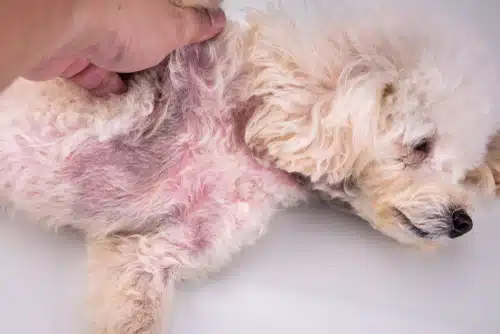
If your Poodle is constantly scratching, licking, chewing paws, or rubbing against furniture, it’s not just a bad habit. Chronic itching in Poodles is very often linked to skin allergies, and ignoring it can lead to infections, hair loss, and ongoing discomfort.
This article explains why Poodles are prone to skin allergies, how to recognize the signs, what else could be causing the itching, and how to help your dog find relief.
What Does “Constant Itching” Look Like?
Be concerned if your Poodle:
-
Scratches or licks daily
-
Chews paws or legs obsessively
-
Rubs face or body on furniture
-
Has red, inflamed skin or hot spots
-
Develops thinning hair or bald patches
Persistent itching is a medical symptom, not just sensitive skin.
Why Poodles Are Prone to Skin Allergies
Poodles have:
-
Sensitive skin
-
Dense, curly coats that trap moisture and allergens
-
A genetic tendency toward allergies
Because allergens stay close to the skin, irritation can build quickly.
Most Common Causes of Itching in Poodles
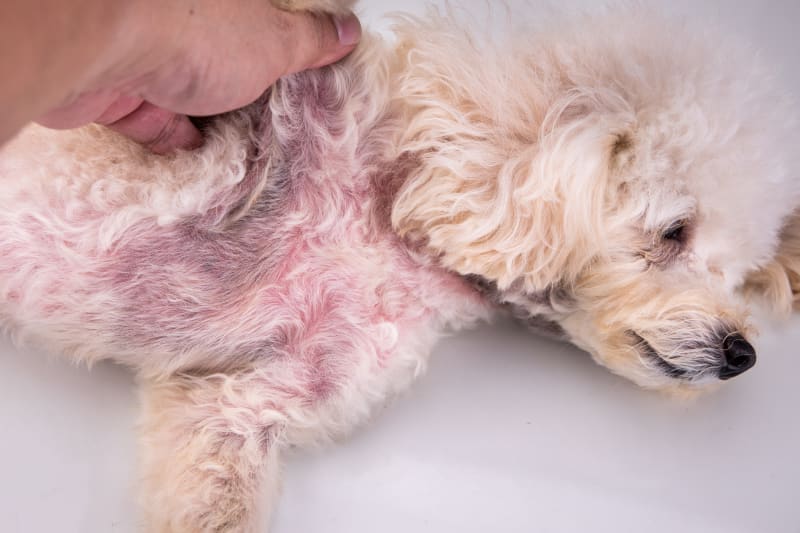
1. Environmental Allergies (Atopy)
The most common cause.
Triggers include:
-
Pollen
-
Grass
-
Dust mites
-
Mold
Signs often include itching of:
-
Paws
-
Face
-
Ears
-
Belly
Symptoms may be seasonal or year-round.
2. Food Allergies
Less common, but possible.
-
Usually linked to proteins (chicken, beef, dairy)
-
Itching year-round
-
May include ear infections or digestive issues
Food allergies do not improve with antihistamines alone.
3. Yeast or Bacterial Skin Infections
Often secondary to allergies.
Signs include:
-
Red or darkened skin
-
Greasy or smelly coat
-
Thickened skin over time
These infections intensify itching and must be treated directly.
4. Flea Allergy Dermatitis
Even one flea bite can trigger extreme itching.
-
Focused around tail base, belly, and thighs
-
Often worse suddenly
Fleas are easy to miss in curly coats.
5. Grooming or Product Sensitivity
-
Shampoos
-
Wipes
-
Sprays
Harsh or scented products can worsen irritation.
When Itching Becomes a Red Flag
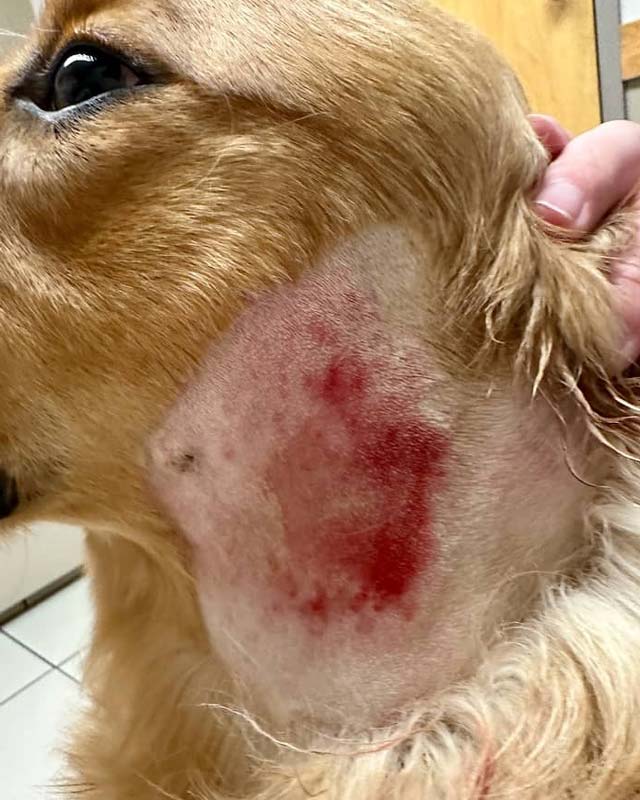
🚨 See a vet if your Poodle:
-
Scratches until the skin bleeds
-
Develops hot spots or open sores
-
Loses hair or has thickened skin
-
Has recurring ear or skin infections
-
Seems restless, irritable, or uncomfortable
Uncontrolled itching often leads to chronic skin disease.
What You Can Do Right Now
✅ Use vet-approved flea prevention
✅ Bathe with gentle, hypoallergenic shampoo
✅ Dry the coat thoroughly after baths
✅ Keep paws clean after outdoor walks
✅ Track when itching worsens (seasonal clues)
❌ Don’t over-bathe
❌ Don’t use human creams or meds
❌ Don’t assume “it’s just dry skin”
How Vets Diagnose Skin Allergies
Your veterinarian may recommend:
-
Skin exam and cytology
-
Allergy testing
-
Food elimination diet
-
Treatment trials to reduce inflammation
Accurate diagnosis is key to long-term relief.
Treatment Options
Depending on the cause, treatment may include:
-
Allergy medications or injections
-
Prescription diets
-
Medicated shampoos
-
Antibiotics or antifungals
-
Supplements for skin support
Many Poodles improve dramatically with a customized allergy plan.
Can Skin Allergies Be Cured?
Allergies usually can’t be cured—but they can be well controlled. With the right approach, most Poodles live comfortable, itch-free lives.
Final Takeaway
If your Poodle keeps itching, skin allergies are a very real possibility—and they won’t resolve on their own. The earlier you intervene, the easier it is to prevent infections and chronic skin damage.
🐾 An itchy dog is an uncomfortable dog. Relief starts with the right diagnosis.