

Introduction: Why Nighttime Matters in Recovery
Nighttime is one of the most vulnerable periods in recovery. The world gets quiet, distractions fade, and unresolved thoughts often grow louder. Fatigue lowers self-control, stress hormones rise, and cravings can feel more intense than during the day.
The good news? What you do in the hours before sleep can either amplify risk—or dramatically reduce it. Healthy nighttime habits don’t just help you sleep better; they actively protect the brain, regulate emotions, and lower the likelihood of relapse.
1. Create a Predictable Wind-Down Routine

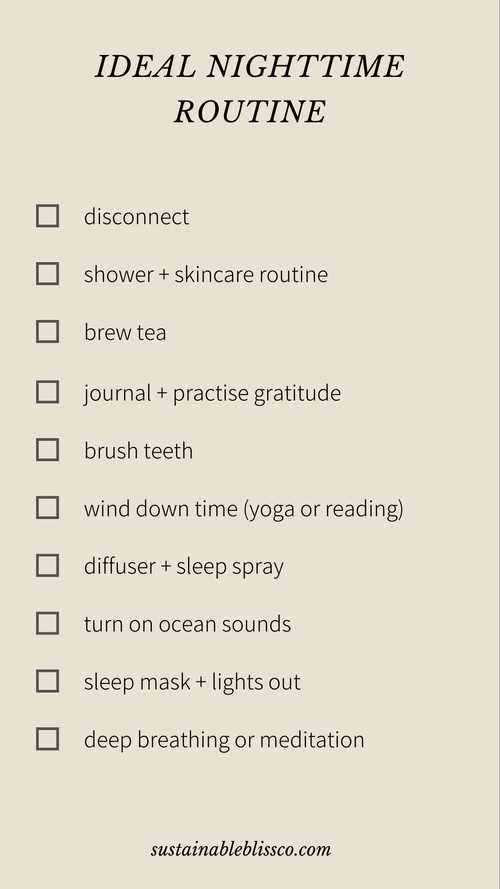

Image caption: Consistency signals safety to the brain and reduces impulsive urges.
A predictable routine tells your nervous system that it’s time to slow down. When the brain knows what comes next, anxiety drops—and so do cravings.
Helpful habits include:
-
Making herbal tea
-
Stretching or light yoga
-
Writing a short journal entry
-
Reading something calming
Repeating the same sequence every night builds psychological safety, which is critical in recovery.
2. Limit Screen Time After Sunset

Image caption: Less screen time means deeper sleep and better impulse control.
Phones and TVs stimulate dopamine and suppress melatonin, keeping the brain in a semi-alert state. This increases nighttime restlessness and emotional vulnerability.
Try setting a digital cutoff 60–90 minutes before bed. Replace scrolling with low-stimulation activities like listening to soft music or doing breathing exercises.
3. Use Nighttime to Process—Not Suppress—Emotions

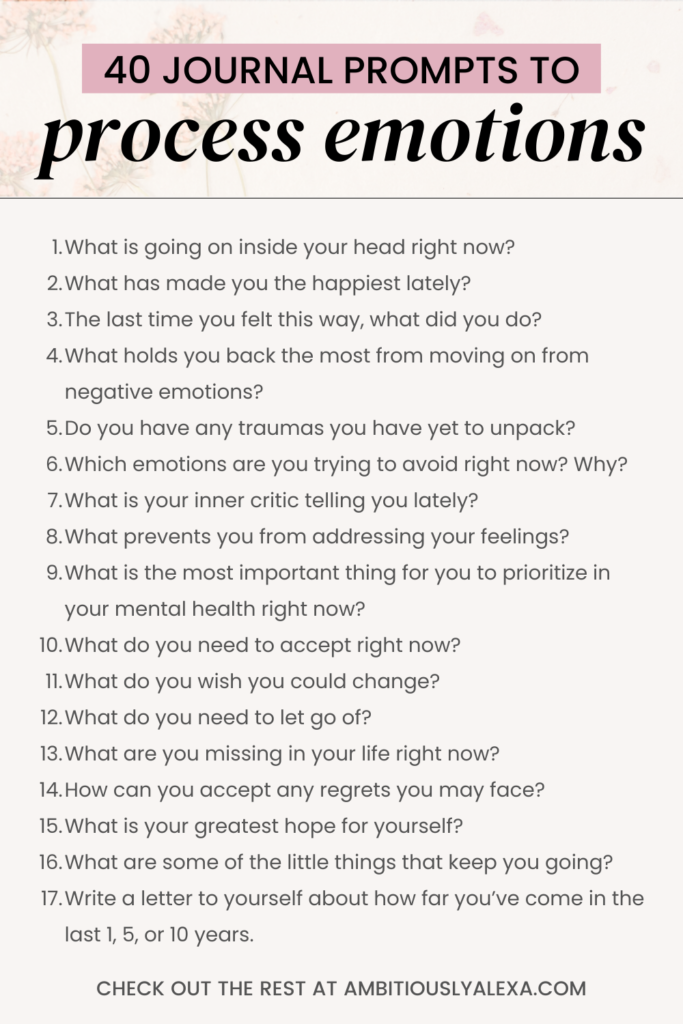

Image caption: Unprocessed emotions often turn into cravings after dark.
Cravings often mask emotions such as loneliness, guilt, or fear. Ignoring them gives those feelings more power.
Simple tools that help:
-
Write down one difficult emotion from the day
-
Name one thing you handled well
-
Practice self-compassion instead of self-criticism
Processing emotions reduces their intensity and prevents them from triggering relapse.
4. Stabilize Blood Sugar Before Bed
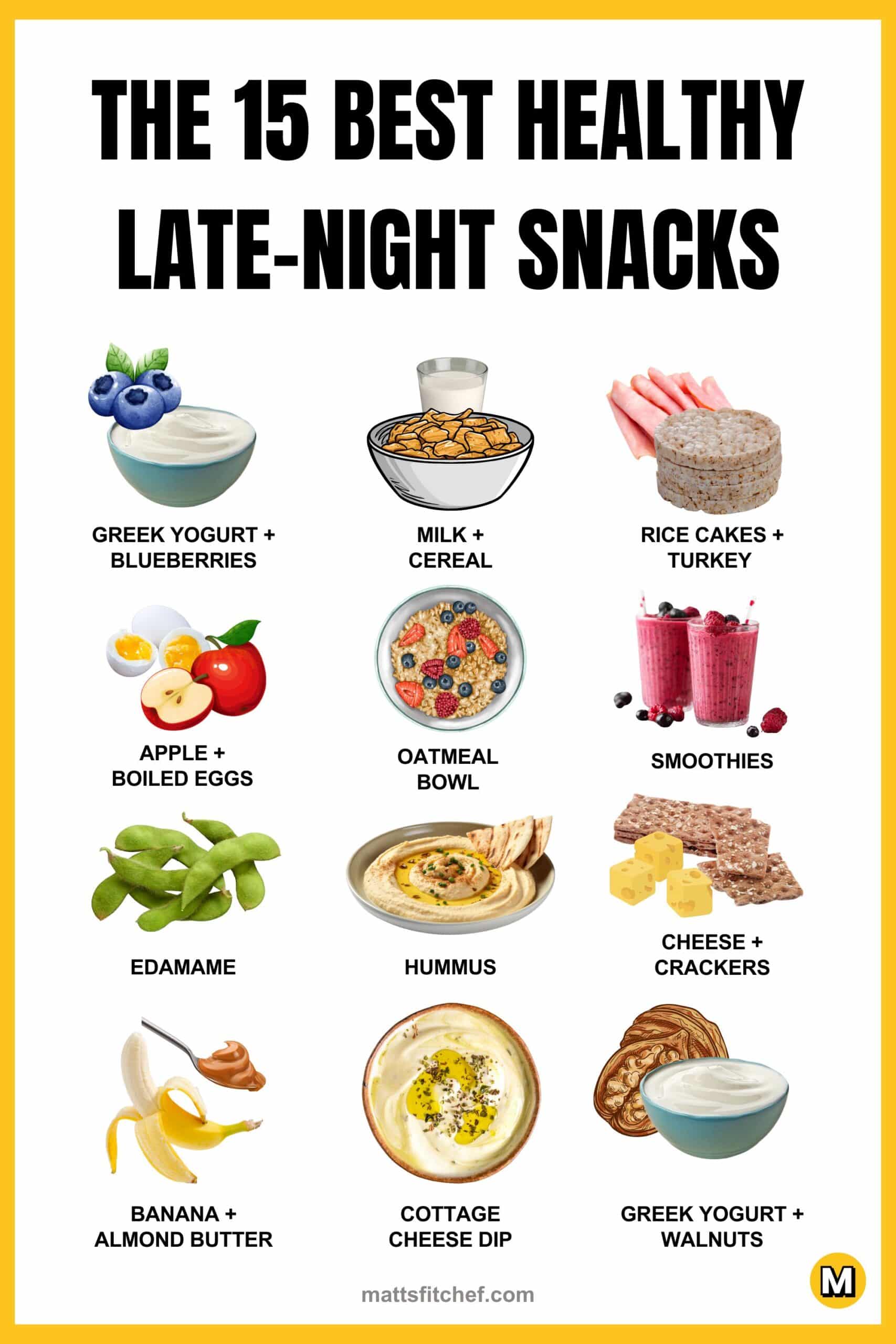
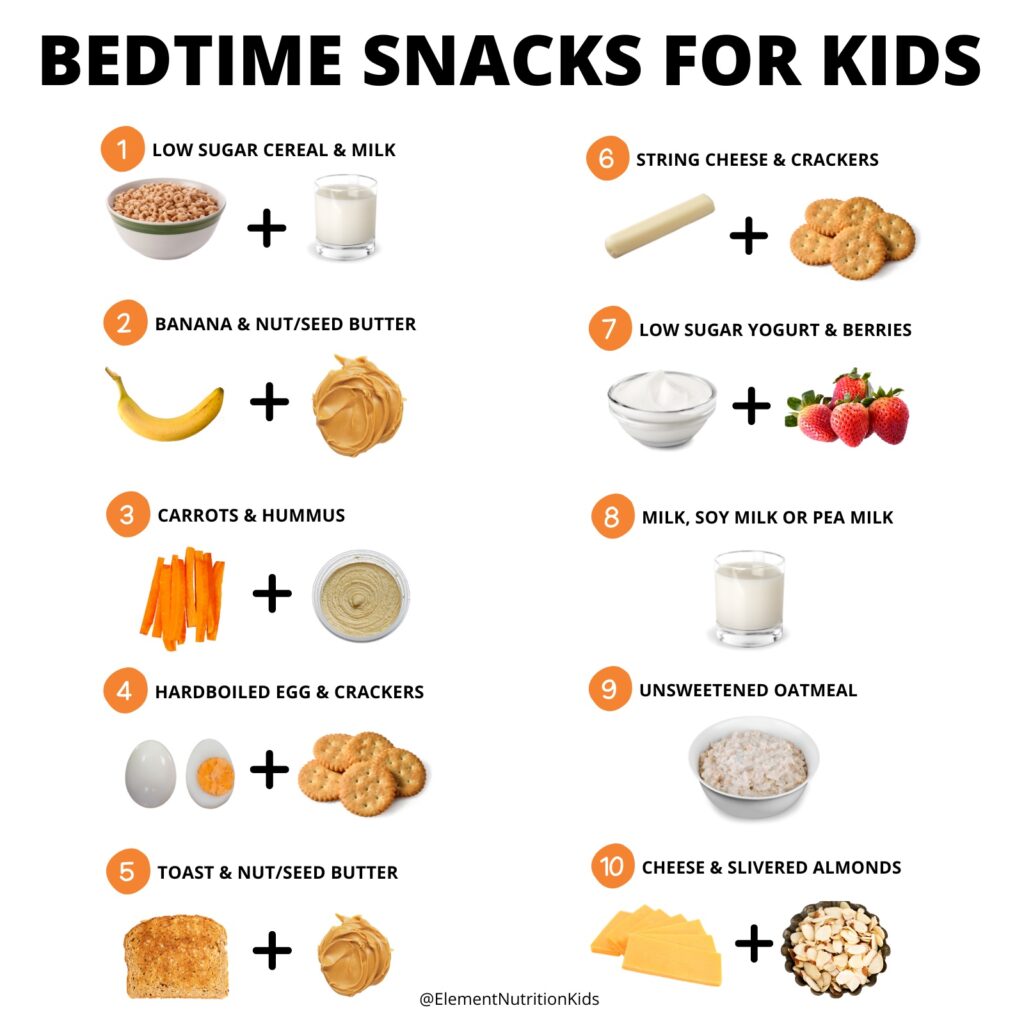
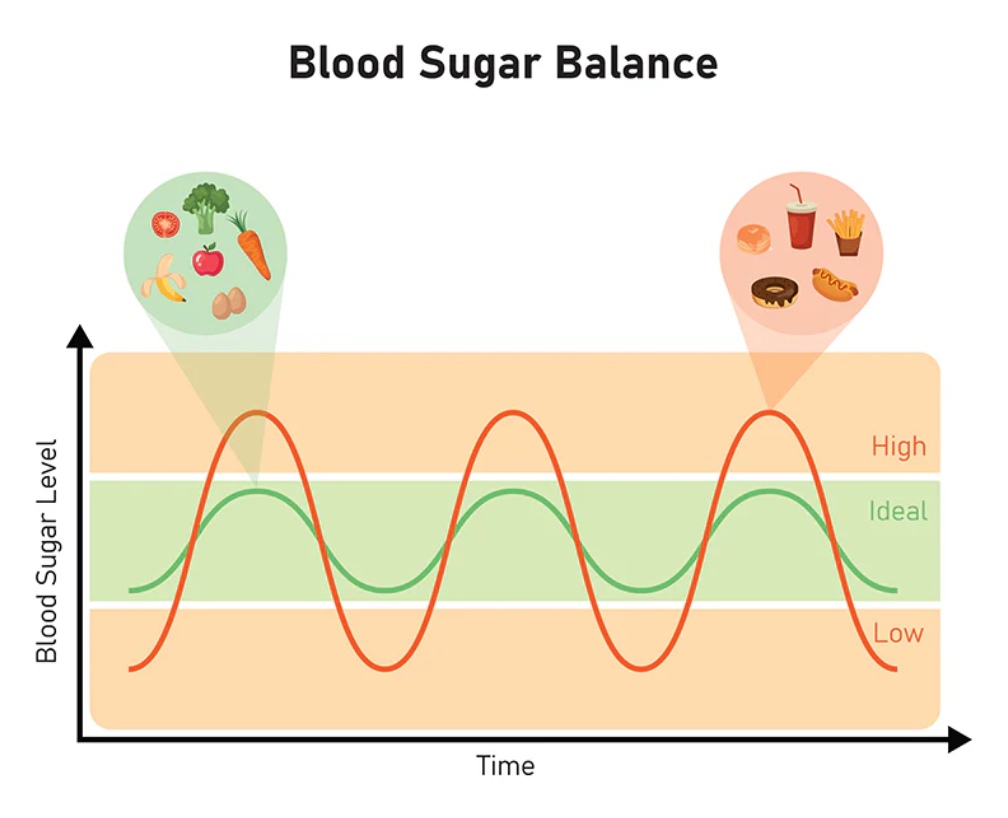
Image caption: Stable blood sugar supports stable mood and fewer urges.
Low blood sugar can mimic cravings and anxiety. A light, balanced snack can make a big difference.
Good options include:
-
Yogurt with nuts
-
Banana with peanut butter
-
A small protein shake
This supports overnight brain repair and reduces stress hormones.
5. Practice Gentle Mindfulness or Breathing



Image caption: Slow breathing calms the nervous system and quiets urges.
Even five minutes of slow breathing can shift the brain out of fight-or-flight mode.
Try this:
-
Inhale for 4 seconds
-
Exhale for 6 seconds
-
Repeat for 3–5 minutes
This activates the parasympathetic nervous system, making cravings easier to ride out.
6. Protect Sleep as a Recovery Tool
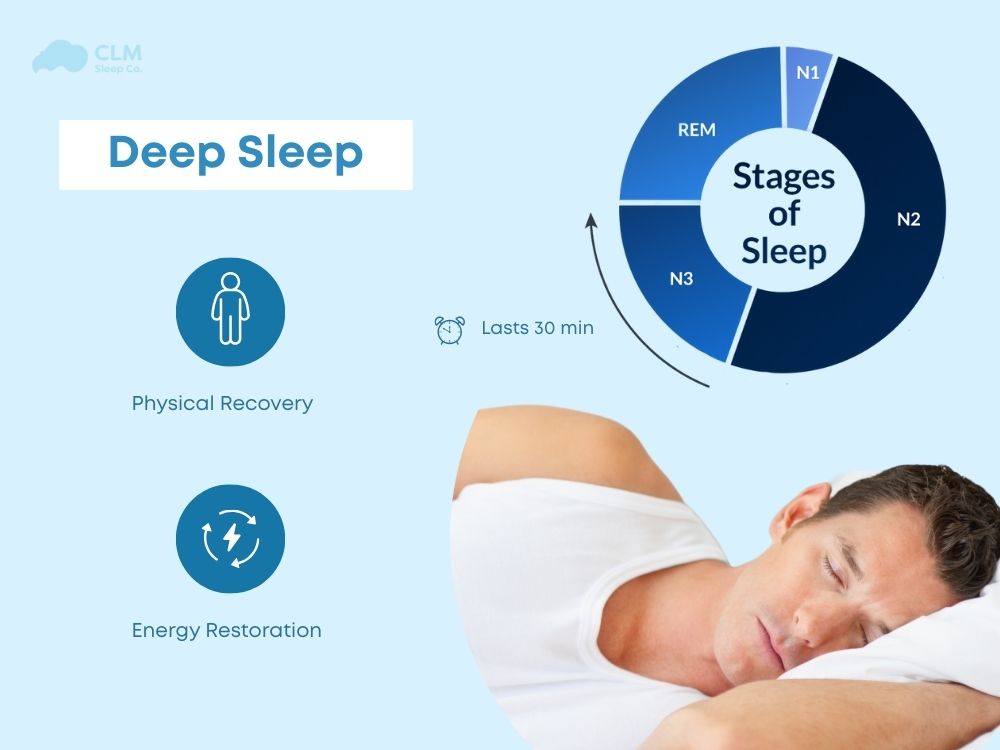


Image caption: Quality sleep strengthens decision-making and emotional control.
Poor sleep weakens the brain’s ability to resist impulses. Consistent sleep schedules, dark rooms, and comfortable temperatures all support recovery.
Think of sleep not as rest—but as active healing.
Conclusion: Nighttime Is a Window of Strength
Relapse prevention doesn’t only happen in moments of temptation—it happens in the quiet hours before sleep. By building supportive nighttime habits, you reduce stress, stabilize emotions, and give your brain the conditions it needs to heal.
Recovery is not about willpower alone. It’s about creating routines that make healthy choices easier—even at night.