
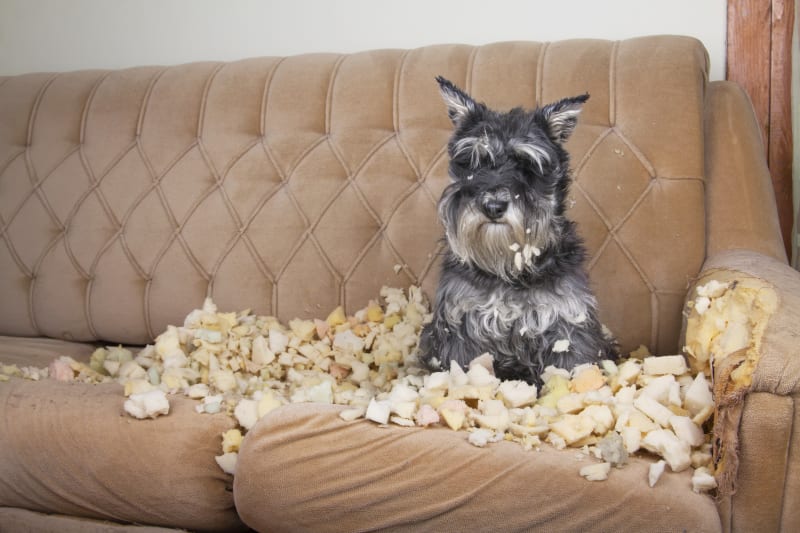
If your puppy is chewing shoes, furniture, cords, pillows—basically everything, this is one of the most common (and frustrating) puppy phases. The good news? Chewing is normal, temporary, and manageable when you handle it the right way.
Let’s break down why puppies chew, what’s normal vs. a problem, and how to protect your home while teaching good habits.
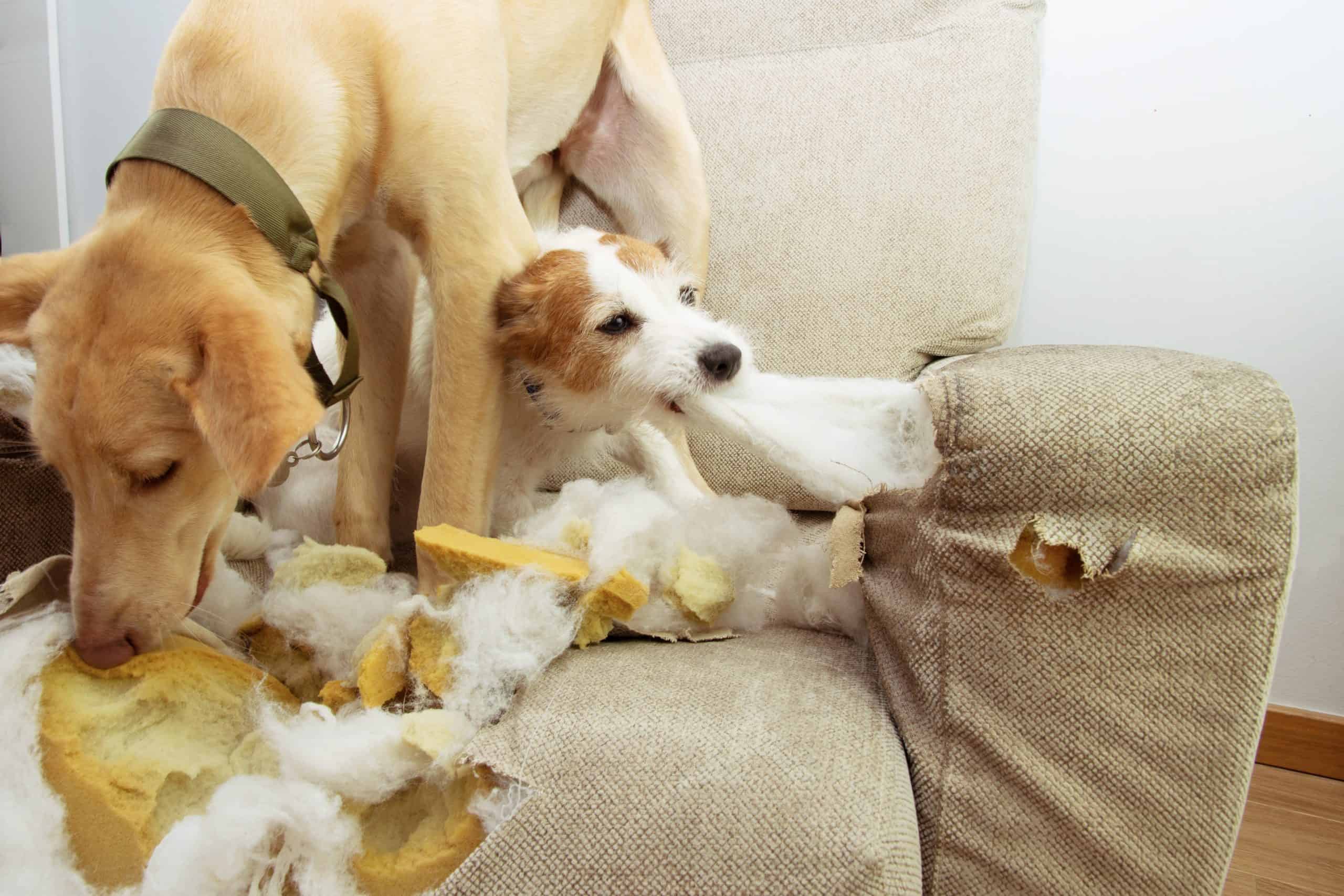
Why Puppies Chew Everything
1. Teething (Biggest Reason)
Puppies start teething around 3–6 months.
-
Gums itch and hurt
-
Chewing relieves discomfort
-
Hard and textured items feel best
👉 This phase will pass, but guidance is crucial.
2. Exploring the World
Puppies use their mouths like hands.
-
New textures = curiosity
-
Chewing = learning
If it’s on the floor, it’s fair game (to them).
3. Boredom & Excess Energy
A tired puppy chews less.
-
Too little exercise
-
Not enough mental stimulation
Chewing becomes self-entertainment.
4. Comfort & Stress Relief
Chewing soothes puppies.
-
New home
-
Separation from litter
-
Alone time
This is emotional regulation, not misbehavior.
What Is Normal vs. Concerning?
✅ Normal Puppy Chewing
-
Targets random household items
-
Stops when redirected
-
Improves with supervision
-
Puppy otherwise happy and playful
⚠️ Needs Attention
-
Destructive chewing only when alone
-
Panic behaviors (crying, pacing)
-
Chewing walls, doors, crates intensely
This may indicate separation anxiety, not just teething.
What NOT to Do
❌ Don’t yell or punish
❌ Don’t chase the puppy
❌ Don’t give old shoes (“confusing message”)
❌ Don’t expect self-control too early
Punishment teaches fear—not what to chew.
How to Stop Destructive Chewing (Works Fast)
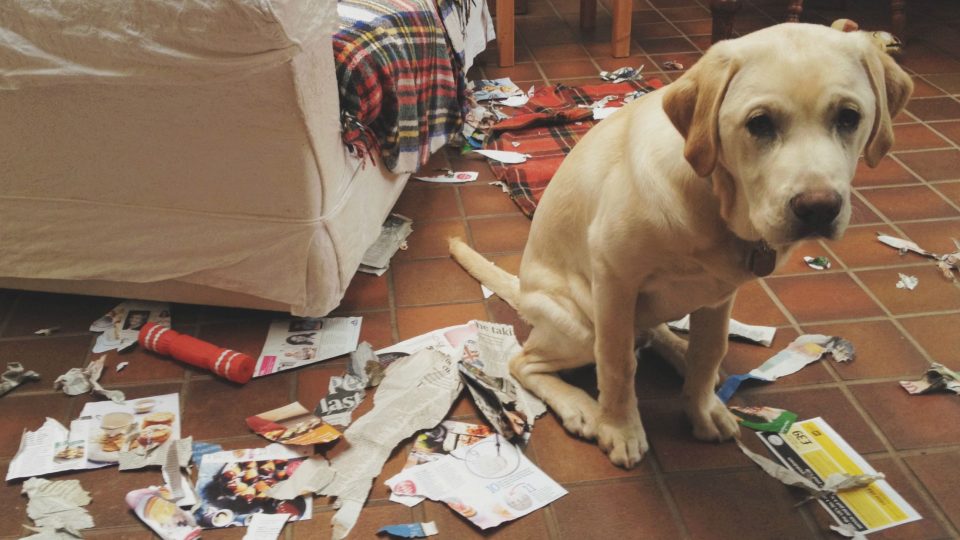
1. Manage the Environment (Most Important)
If your puppy can’t reach it, they can’t chew it.
-
Pick up shoes, cords, pillows
-
Use baby gates or playpens
-
Limit free roaming
Management prevents bad habits.
2. Provide LOTS of Legal Chews
Have multiple textures:
-
Rubber (Kong-style)
-
Rope
-
Frozen teething toys
-
Safe chews recommended by your vet
Rotate toys daily to keep them exciting.
3. Redirect Immediately
When your puppy grabs something wrong:
-
Calmly take it away
-
Offer an approved chew
-
Praise when they choose it
Timing matters—redirect in the moment.
4. Tire the Brain, Not Just the Body
Mental work reduces chewing dramatically:
-
Sniff walks
-
Puzzle feeders
-
Short training games
-
Find-the-treat games
A mentally tired puppy is a calm puppy.
5. Use Crates or Pens (Properly)
When you can’t supervise:
-
Crate or puppy pen
-
Safe chews only
-
Short durations
This prevents mistakes and builds calm habits.
6. Use Deterrent Sprays (Optional)
Bitter sprays can help on:
-
Furniture
-
Baseboards
They support training, not replace it.
How Long Does This Phase Last?
-
Peaks around 4–6 months
-
Improves greatly by 7–9 months
-
Depends on consistency and supervision
Most destructive chewing fades as adult teeth settle.
When to Ask for Help
📞 Get professional advice if:
-
Chewing is extreme or panicked
-
Destruction happens only when alone
-
Puppy hurts themselves chewing
-
Behavior worsens over time
Early help prevents long-term issues.
Final Takeaway
Your puppy isn’t being naughty—they’re growing. Chewing is normal, necessary, and temporary. With management, redirection, and enough enrichment, your puppy will learn what’s okay to chew—and your furniture will survive.
🐾 Chewing is a phase. Habits are what you build during it.