
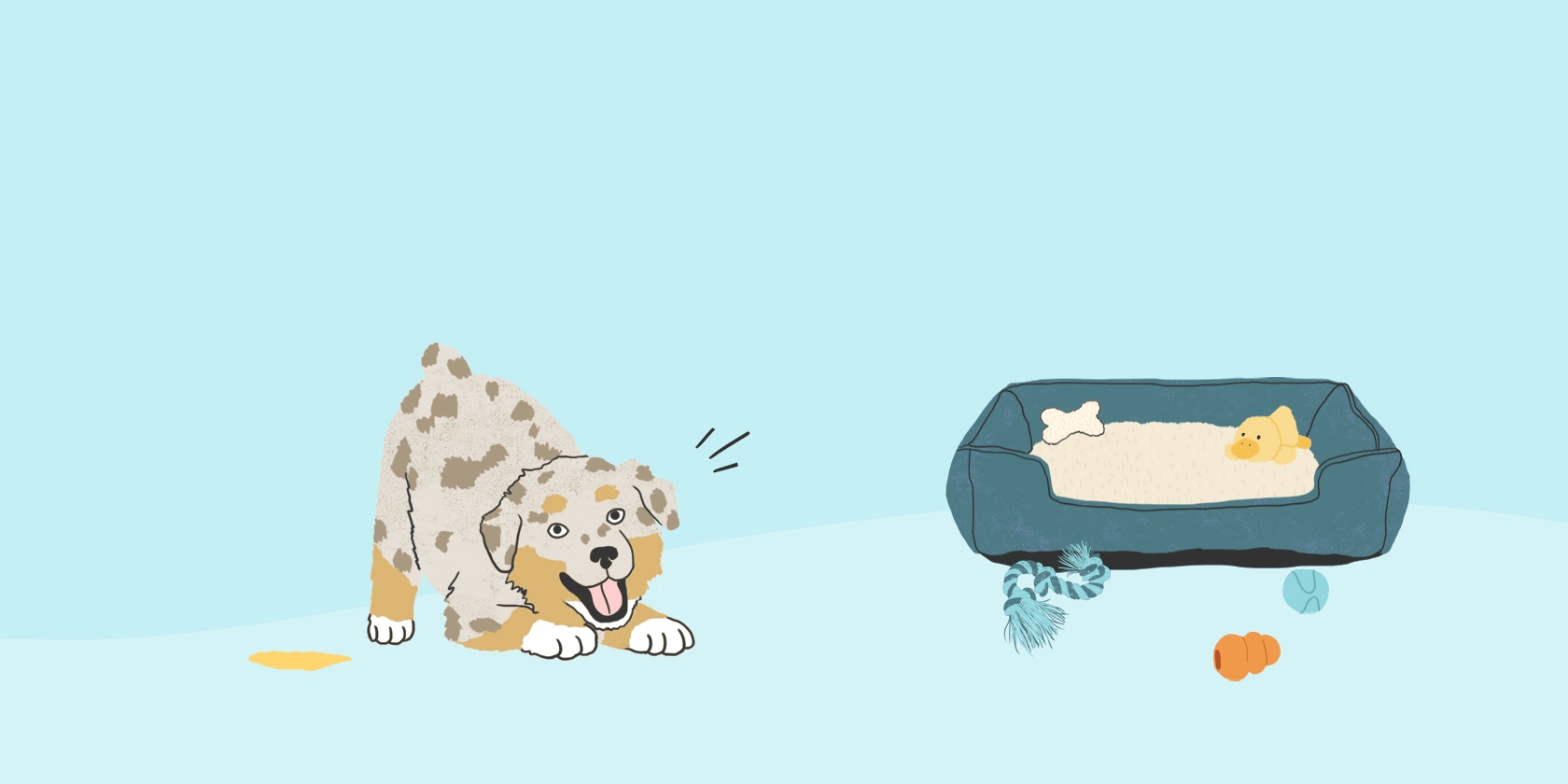
If your puppy pees when greeting people, during play, or when you come home, this is extremely common—especially in young dogs. In most cases, it’s excited or submissive urination, not a house-training failure or medical problem.
The good news?
👉 Most puppies outgrow this naturally with time and the right handling.
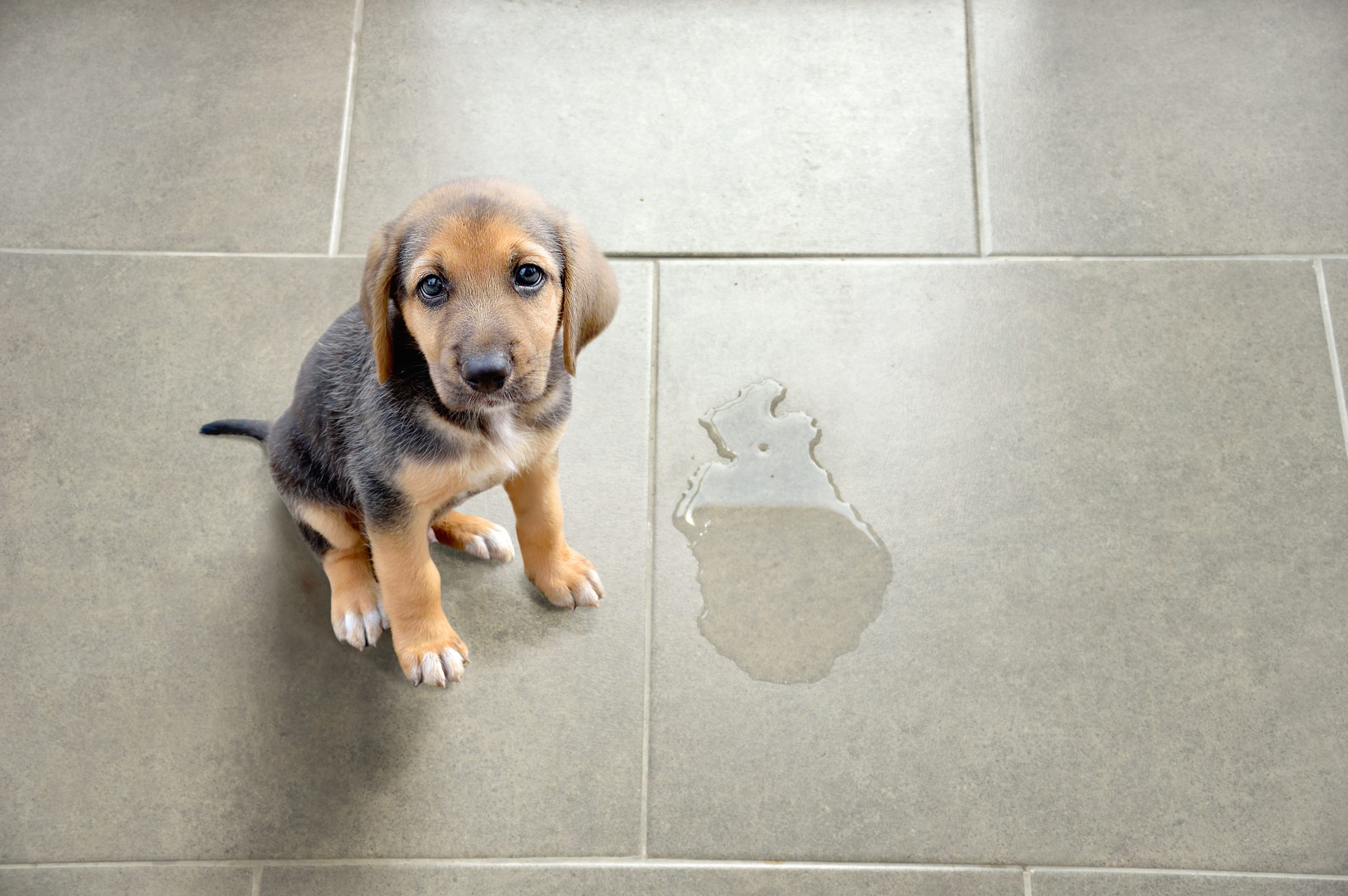
What Excited/Submissive Peeing Looks Like
You may notice:
-
Small puddles when people arrive
-
Peeing during greetings or play
-
Wagging tail + crouching posture
-
No awareness it’s happening
-
Puppy seems happy or slightly overwhelmed
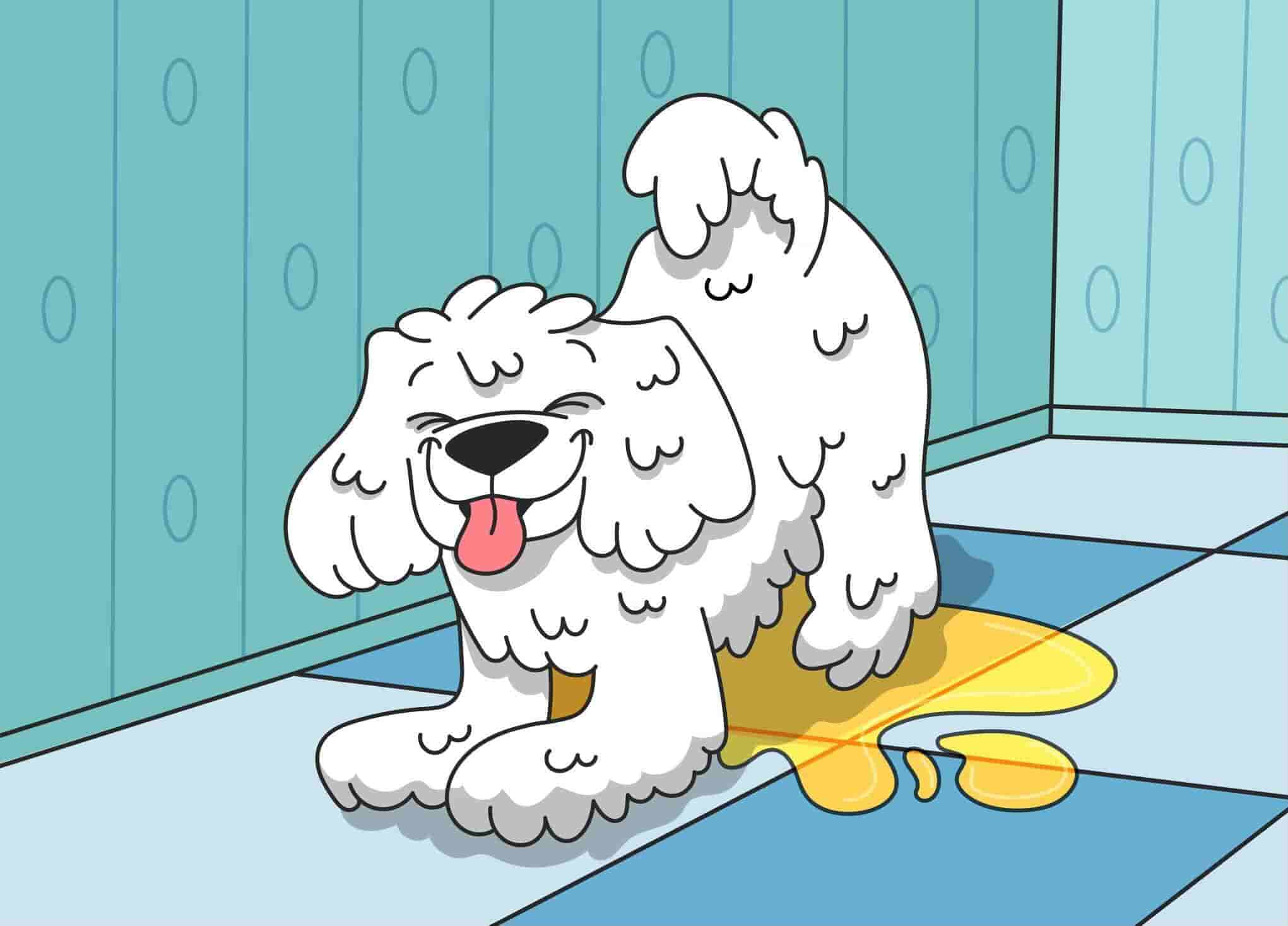
👉 This is involuntary—your puppy is not doing it on purpose.
Why Puppies Pee When Excited
1. Immature Bladder Control (Most Common)
Puppies simply don’t have full control yet.
-
Muscles are still developing
-
Emotional spikes override bladder control
This usually improves by 6–12 months of age.
2. Emotional Overload
Excitement + joy + nerves = leakage.
Triggers include:
-
Greetings
-
Playtime
-
High voices
-
Fast movements
Big feelings, small bladder.
3. Submissive Body Language
Some puppies pee to say:
“I’m friendly! Please don’t scare me!”
This is more common in:
-
Sensitive puppies
-
Shy or gentle temperaments
4. Learned Response to Intense Greetings
If greetings are:
-
Loud
-
Physical
-
Overstimulating
Puppies may pee every time due to anticipation.
What This Is NOT
❌ Not disobedience
❌ Not spite
❌ Not poor house training
❌ Not something to punish
Punishment makes it worse, not better.
How to Reduce Excitement Peeing (Very Effective)
1. Calm the Greeting
-
Ignore puppy for first 1–2 minutes
-
No eye contact, no talking, no touching
-
Let excitement drop naturally
Calm humans = dry puppies.
2. Greet at Puppy Level
-
Crouch sideways
-
Avoid leaning over
-
Gentle voice
Less pressure reduces submissive responses.
3. Take Puppy Outside Before Greetings
-
Potty break first
-
Then greetings
An empty bladder helps.
4. Ask Visitors to Stay Calm
No squealing, grabbing, or rushing.
Slow = success.
5. Reward Calm Behavior
Quiet praise when:
-
Puppy stays relaxed
-
Greets without peeing
Don’t reward excitement spikes.
When to Talk to the Vet
📞 Check with your vet if:
-
Peeing happens constantly, not just during excitement
-
There’s pain, straining, or blood
-
Puppy drinks excessively
-
The behavior worsens with age
These could indicate a UTI or bladder issue (less common but important).
Will My Puppy Grow Out of This?
Yes—most puppies do.
As confidence and bladder control improve, excitement peeing fades naturally.
Consistency + patience = resolution.
What NOT to Do
❌ Scold or punish
❌ Rub nose in urine
❌ Yell or show frustration
❌ Increase excitement intentionally
Fear makes bladder control worse.
Final Takeaway
A puppy who pees when excited isn’t naughty—they’re overwhelmed and still developing. With calm greetings, maturity, and gentle handling, this phase almost always passes.
🐾 Big feelings, tiny bladder. Be patient—your puppy is learning.