
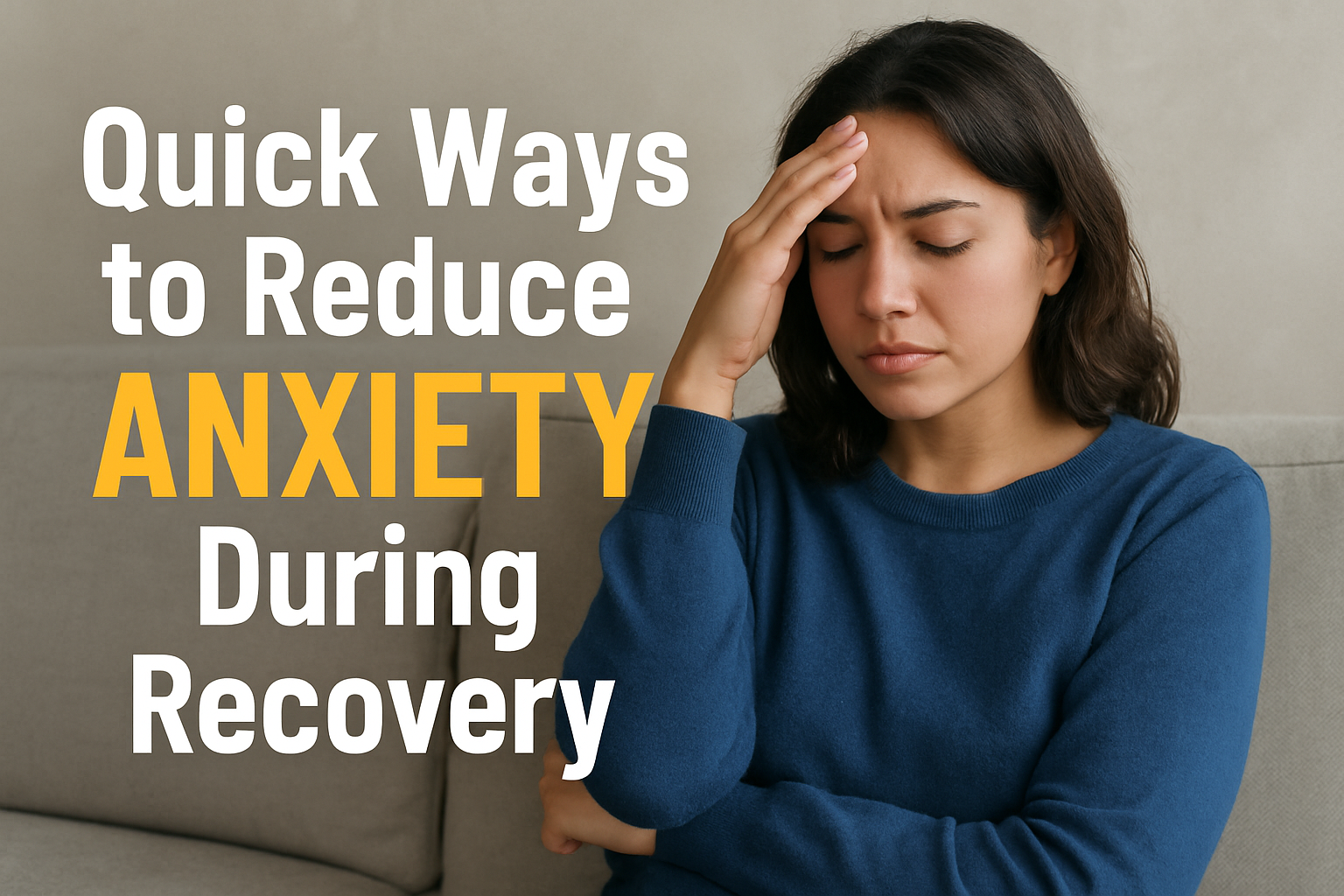
Recovery is not only a physical journey—it is a deeply emotional and psychological one. Anxiety often shows up quietly during recovery, fueled by uncertainty, fear of relapse, changes in routine, or the pressure to “feel better fast.” The good news is that anxiety does not have to control your healing process. With the right tools and gentle daily practices, you can calm your nervous system, regain emotional balance, and build resilience step by step.


Image caption: Calming the mind is a powerful part of the recovery journey.
Why Anxiety Is Common During Recovery
Anxiety during recovery is not a sign of weakness—it is a natural response to change. Your body and brain are relearning how to function without old coping mechanisms. Stress hormones may still be elevated, sleep patterns may be disrupted, and emotions that were once numbed can surface intensely. Recognizing anxiety as a normal phase of healing helps reduce self-judgment and creates space for healthier coping strategies.
1. Use Slow, Intentional Breathing to Calm the Nervous System
One of the fastest ways to reduce anxiety is through controlled breathing. Slow breathing signals safety to your brain and helps shift your body out of “fight or flight” mode. Try inhaling slowly through your nose for four seconds, holding for four, and exhaling gently through your mouth for six. Repeating this for just five minutes can noticeably lower tension and heart rate.


Image caption: Slow breathing helps quiet anxious thoughts and restore inner calm.
2. Ground Yourself in the Present Moment
Anxiety often pulls your thoughts into the future—What if I fail? What if something goes wrong? Grounding techniques gently bring you back to the present, where you are safe right now. Focus on your senses: notice what you can see, hear, touch, and smell. Even simple actions like holding a warm mug or feeling your feet on the floor can anchor your mind and reduce anxious spirals.
3. Create a Simple, Predictable Daily Routine
During recovery, uncertainty can intensify anxiety. A consistent routine provides structure and a sense of control. You don’t need a rigid schedule—just small anchors throughout the day, such as waking up at the same time, eating regular meals, taking a daily walk, or setting aside quiet reflection time. These habits reassure your nervous system and make each day feel more manageable.


Image caption: Gentle routines create stability and emotional safety during recovery.
4. Move Your Body Gently and Regularly
Physical movement is a powerful antidote to anxiety. Gentle activities like walking, stretching, yoga, or light exercise release endorphins and help reduce stress hormones. Movement also reconnects you with your body in a positive way, which is especially important during recovery. Even ten minutes of mindful movement can lift your mood and quiet anxious energy.
5. Practice Mindfulness or Short Meditation Sessions
Mindfulness teaches you to observe anxious thoughts without being overwhelmed by them. You don’t need long meditation sessions—just a few minutes of quiet awareness can help. Sit comfortably, focus on your breath, and notice thoughts as they arise without judging or fighting them. Over time, mindfulness builds emotional resilience and helps anxiety lose its grip.
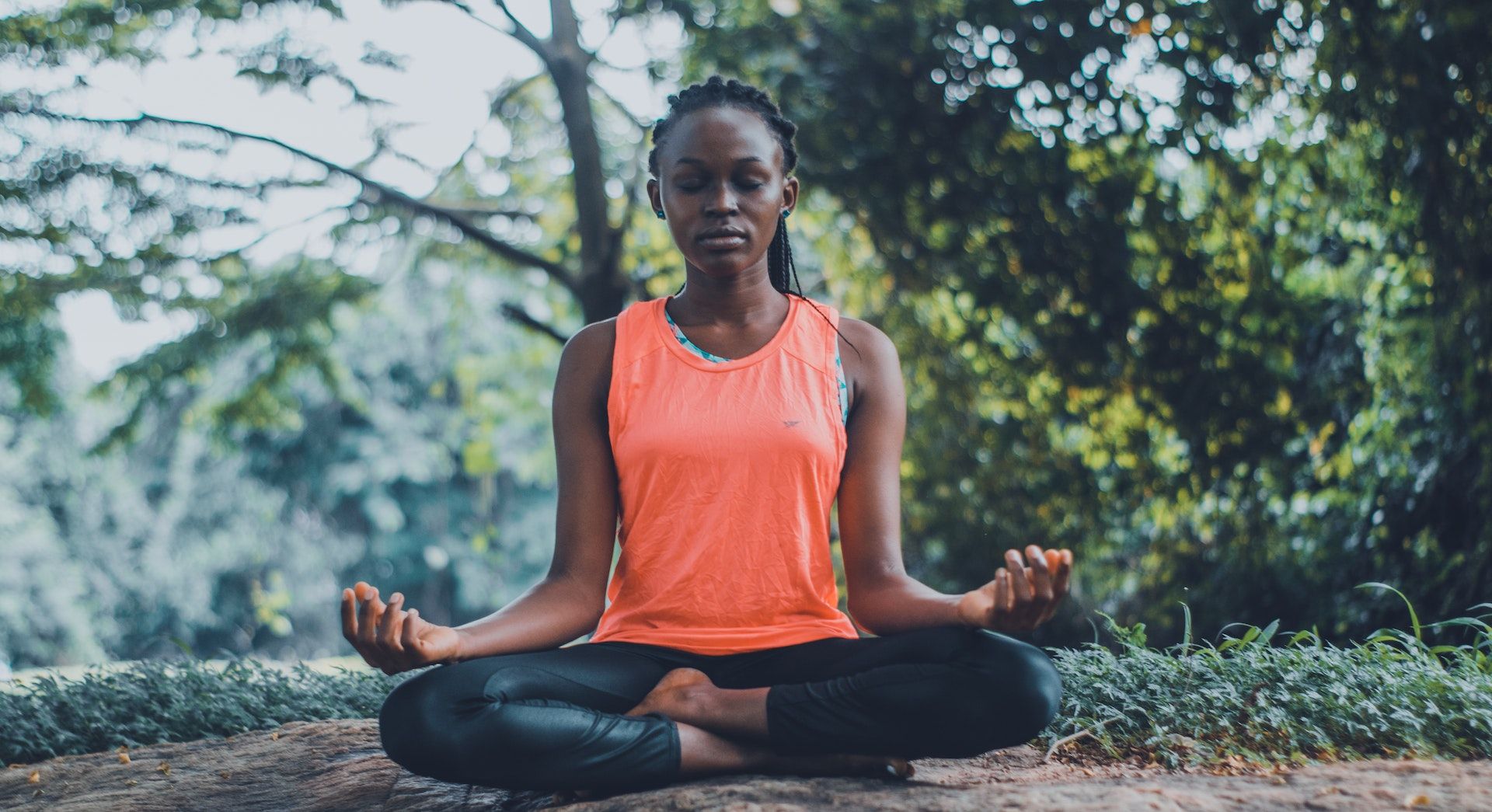


Image caption: Mindfulness creates space between you and anxious thoughts.
6. Stay Connected and Talk About What You’re Feeling
Anxiety grows stronger in isolation. Sharing your feelings with a trusted friend, support group, or therapist can significantly reduce emotional pressure. You don’t need to have perfect words—simply expressing what you’re experiencing helps your brain process emotions more safely. Connection reminds you that you are not alone in recovery.
7. Be Kind to Yourself and Lower Unrealistic Expectations
Recovery is not a straight line, and anxiety may come and go. Speak to yourself with compassion, especially on difficult days. Healing takes time, and progress often shows up in small, quiet ways. Celebrate small wins—getting through the day, practicing a coping skill, or choosing rest when needed. Self-kindness is one of the most effective long-term anxiety reducers.
Thumbnail Concept


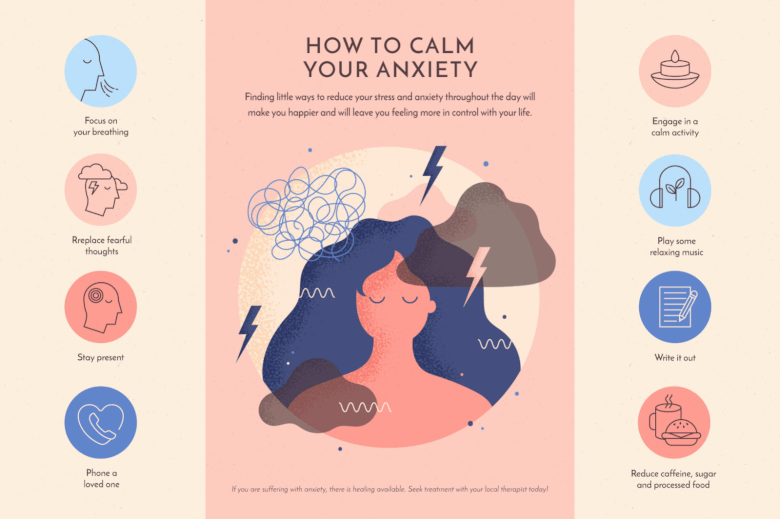
Thumbnail caption: Healing the mind is just as important as healing the body.
Final Thought
Reducing anxiety during recovery does not require perfection—it requires patience, presence, and gentle consistency. Each calming breath, supportive conversation, and mindful moment strengthens your ability to cope. Recovery is not about eliminating anxiety entirely, but about learning how to move through it with confidence and self-compassion. With time, these quick practices become powerful tools that support lasting healing and inner peace. 🌿