Introduction

Relapse rarely starts with a substance—it starts with an emotion. Long before a slip happens, emotional patterns quietly build pressure. Understanding these patterns doesn’t just help with awareness; it gives you power. When you can recognize emotional warning signs early, you can intervene before cravings take control.

Below are six common emotional patterns strongly linked to relapse, along with insight into how to handle them in recovery.


1. Unmanaged Stress
https://therapy-central.com/wp-content/uploads/2023/06/5.png?utm_source=chatgpt.com
https://www.verywellmind.com/thmb/lEOjlASpyKpn5j12xXL2Fg4Amrg%3D/1500x0/filters%3Ano_upscale%28%29%3Amax_bytes%28150000%29%3Astrip_icc%28%29/work-anxiety-4692762_final-99b80060dfb74d008fa7acd473311683.png?utm_source=chatgpt.com
https://media.letstalkscience.ca/m/4f3680fd63a74f8a/webimage-2024_Original_Stress-response-system_EN_ResourceBody.png?utm_source=chatgpt.com

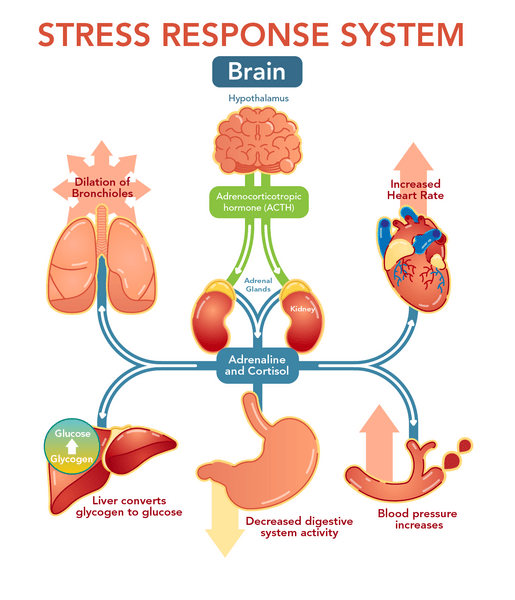
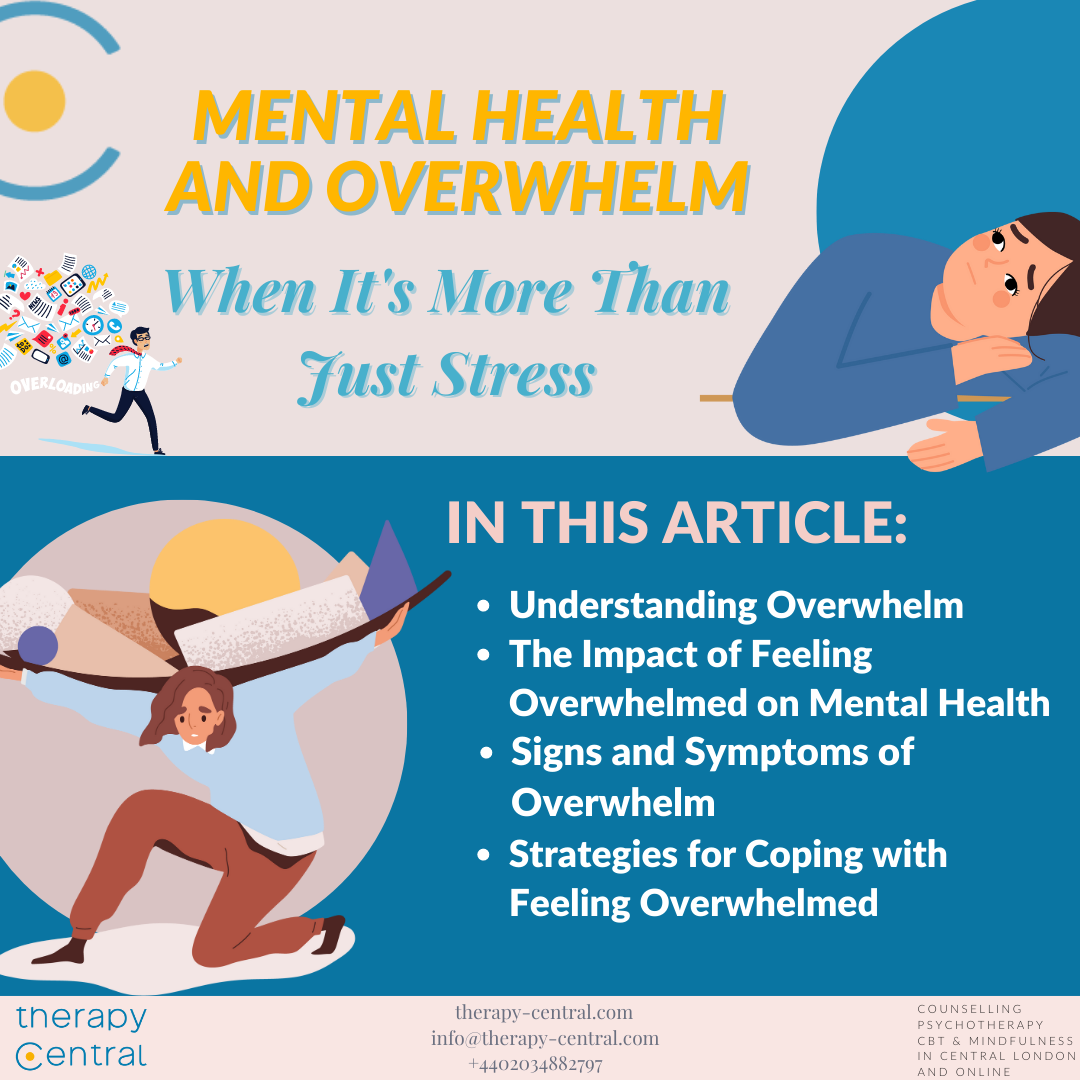
Stress becomes dangerous when it’s constant and unprocessed. Without healthy outlets, the nervous system stays in survival mode, making substances feel like an easy escape.

Warning signs:

  • Feeling rushed or overwhelmed all the time

  • Muscle tension, headaches, irritability

  • “I just need relief” thinking

Handling tip: Build daily stress discharge—movement, breathing, or brief pauses matter more than intensity.


2. Emotional Suppression

https://www.talktoangel.com/images/newsletter/TTA-NENKUKNX/Is%20Suppressing%20Emotions%20Harmful_Inner.svg?utm_source=chatgpt.com
https://experiencelife.lifetime.life/wp-content/uploads/2021/02/Nov10r_Ren1.jpg?utm_source=chatgpt.com
https://www.sperorecovery.org/?dpr=1&fmt=webp&icache_img=1&q=82&src=https%3A%2F%2Fwww.sperorecovery.org%2Fwp-content%2Fuploads%2F2024%2F07%2Fmen_hide_emotions.png&v=1759420771&w=1000&utm_source=chatgpt.com

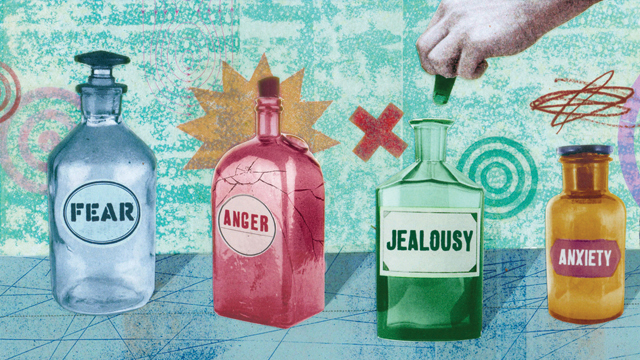
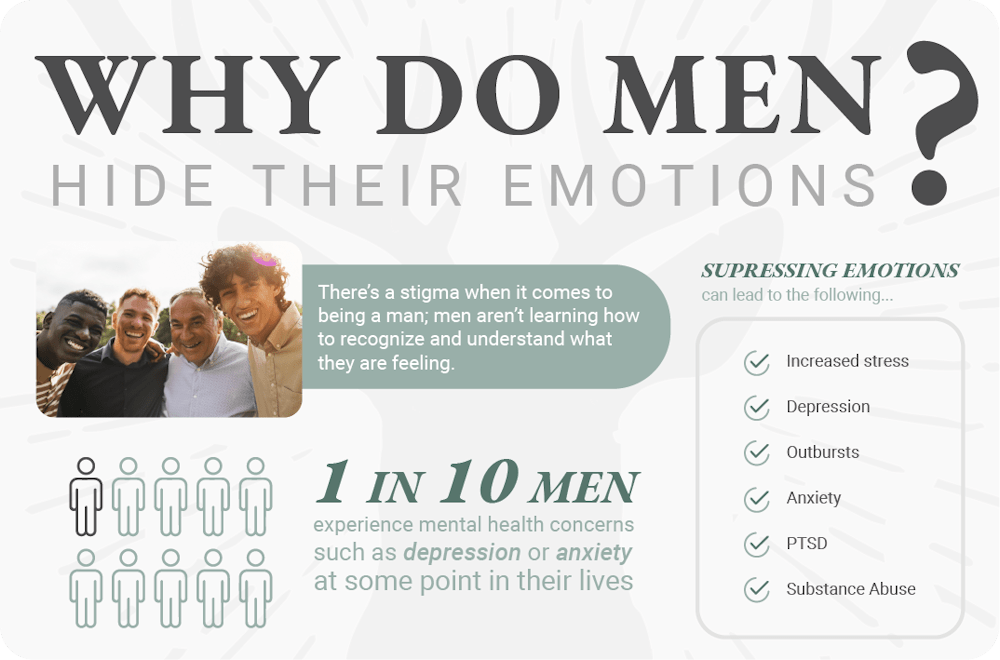
Pushing emotions down doesn’t make them disappear—it makes them explode later. Suppressed feelings often resurface as cravings.

Warning signs:

  • Numbing out

  • Avoiding conversations

  • Saying “I’m fine” when you’re not

Handling tip: Name one emotion per day in a journal or conversation. Expression reduces pressure.


3. Loneliness and Disconnection

https://images.everydayhealth.com/images/2025-gateway-illustrations/eh-loneliness-gg-1440x810.png?sfvrsn=e1c9d49a_4&utm_source=chatgpt.com
https://www.apa.org/images/2019-05-ce-social-isolation_tcm7-255721_w1024_n.jpg?utm_source=chatgpt.com
https://namiga.org/wp-content/uploads/sites/21/2024/01/NAMI_connection_rgb-1024x253-1-e1635254306623.jpg?utm_source=chatgpt.com

Isolation weakens emotional resilience. Without connection, the brain looks for comfort elsewhere.

Warning signs:

  • Pulling away from people

  • Believing “no one understands me”

  • Increased rumination

Handling tip: Connection doesn’t require deep talks—simple presence counts.


4. Shame and Self-Criticism

https://adaa.org/sites/default/files/2023-05/iStock-1411382674%20purchased%20small%20shame_0.jpg?utm_source=chatgpt.com
https://sp-ao.shortpixel.ai/client/to_webp%2Cq_glossy%2Cret_img%2Cw_1024%2Ch_683/https%3A//newperspectivescs.com/wp-content/uploads/2025/03/2-3-1024x683.png?utm_source=chatgpt.com
https://elements-resized.envatousercontent.com/elements-cover-images/5b867ed2-5a30-474c-aba0-b1363fb80e83?cf_fit=scale-down&format=auto&q=85&s=43d71666ee69f01cec88b65c123ada766c1cfa4520b3127a5525d02e783698ed&w=433&utm_source=chatgpt.com

Shame says “I am bad” rather than “I did something difficult.” This emotional weight often fuels relapse cycles.

Warning signs:

  • Harsh inner dialogue

  • Comparing yourself to others

  • Feeling unworthy of recovery

Handling tip: Replace judgment with curiosity: “What happened inside me?”


5. Emotional Exhaustion

https://www.darlingdowns.health.qld.gov.au/__data/assets/image/0014/105161/20211122-burnout-864x486px.jpg?utm_source=chatgpt.com
https://clockify.me/blog/wp-content/uploads/2023/03/How-to-overcome-mental-fatigue.png?utm_source=chatgpt.com
https://www.mdpi.com/socsci/socsci-13-00274/article_deploy/html/images/socsci-13-00274-g001.png?utm_source=chatgpt.com

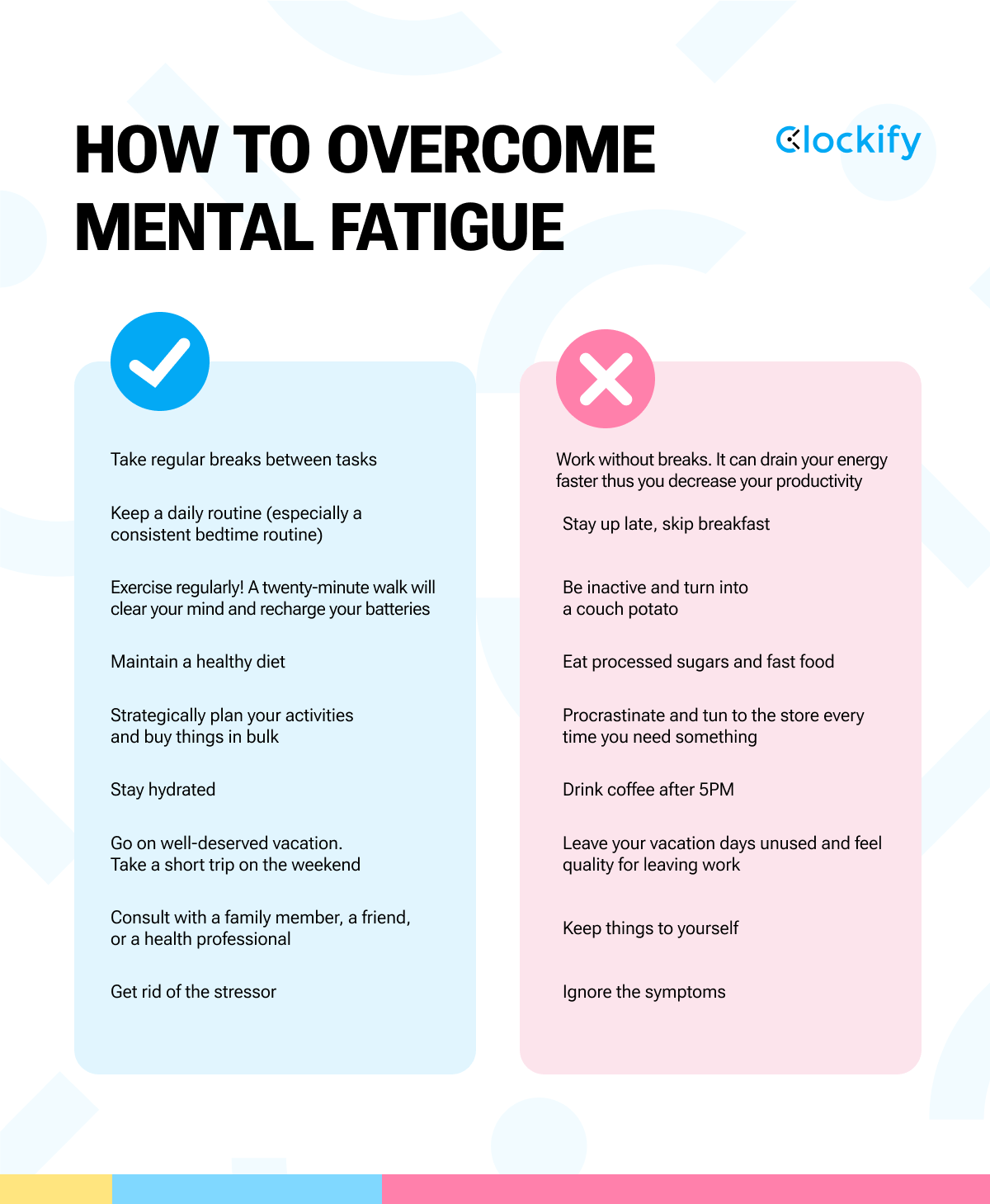
Being “strong” all the time is draining. When emotional energy runs out, impulse control drops.

Warning signs:

  • Feeling numb or detached

  • Loss of motivation

  • “I don’t care anymore” thoughts

Handling tip: Rest is recovery work. Emotional stamina grows with recovery-friendly rest.


6. Sudden Emotional Spikes

https://www.verywellmind.com/thmb/QM3lFFlS-DeD4VtXeHA5Q4JvwNE%3D/1500x0/filters%3Ano_upscale%28%29%3Amax_bytes%28150000%29%3Astrip_icc%28%29/extreme-anxiety-symptoms-types-treatments-and-coping-5201901-1500x1000-Text-Final-7d0723a651c54f279c2cdf52772a5bed.png?utm_source=chatgpt.com
https://pathwaytohappiness.com/wp-content/uploads/2020/07/overwhelmed_emotions.jpg?utm_source=chatgpt.com
https://mentalhealthcenterkids.com/cdn/shop/files/Panic_Attack_Coping_Statements-watermarked.png?v=1718736773&width=1946&utm_source=chatgpt.com

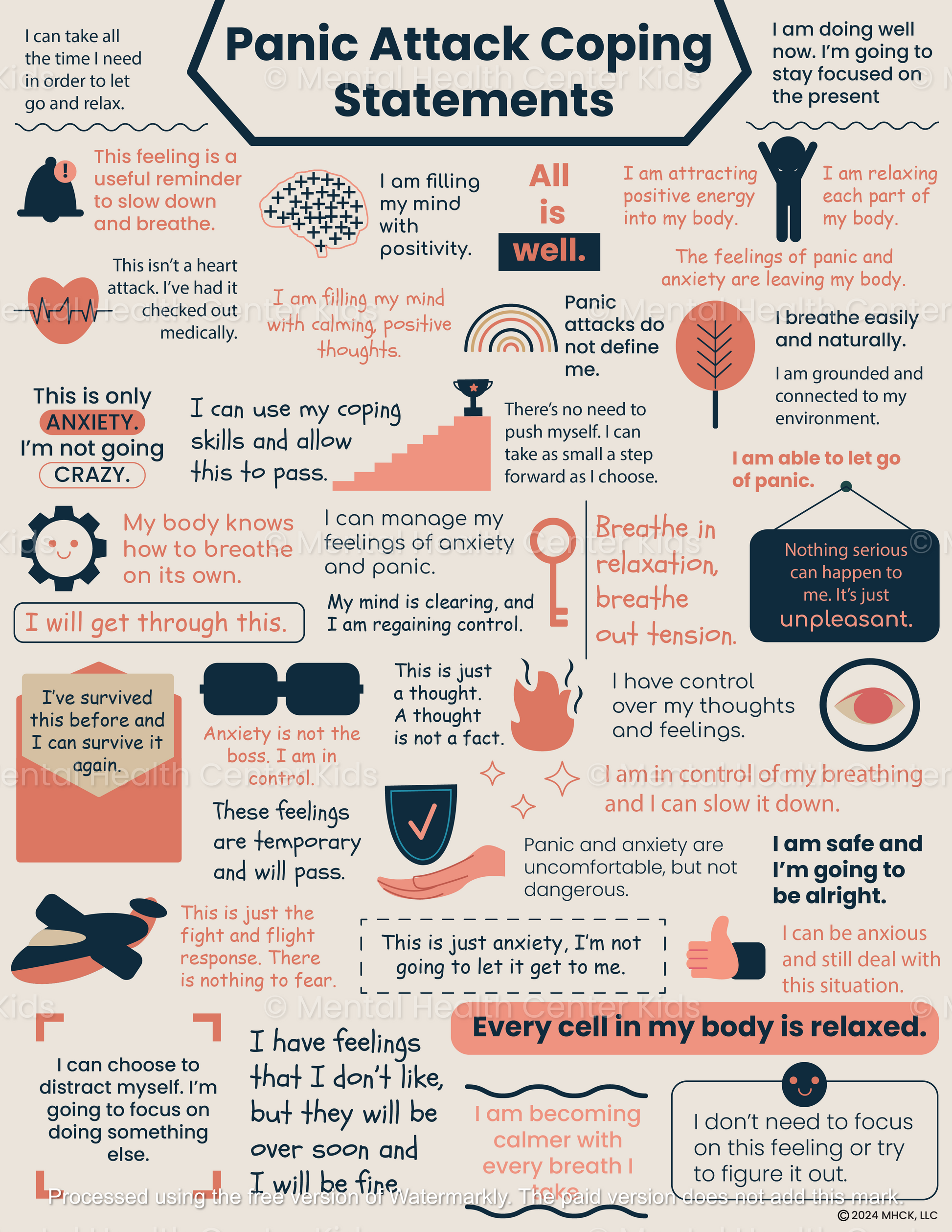
Sudden anger, fear, or sadness can trigger impulsive decisions if not regulated quickly.

Warning signs:

  • Rapid mood shifts

  • Physical agitation

  • Urgent desire to escape the feeling

Handling tip: Delay action by 90 seconds. Strong emotions peak and fall when not fueled.


Why Awareness Prevents Relapse

Relapse prevention isn’t about willpower—it’s about emotional literacy. When you recognize patterns early, emotions become signals, not commands. Each time you respond differently, the brain rewires safety without substances.


Final Thought

You don’t relapse because you’re weak—you relapse when emotions go unheard. Learn the patterns, respond with compassion, and recovery becomes not just possible, but sustainable.

Leave a Reply

Your email address will not be published. Required fields are marked *