
Introduction
Trauma and substance use are deeply connected. For many people, alcohol or drugs become a way to numb pain, quiet intrusive memories, or regain a sense of control after overwhelming experiences. Research and clinical practice consistently show that unresolved trauma significantly increases the risk of substance use and addiction. Below are six common types of trauma that are strongly linked to substance use, along with how each one affects the mind and behavior.
1. Childhood Trauma
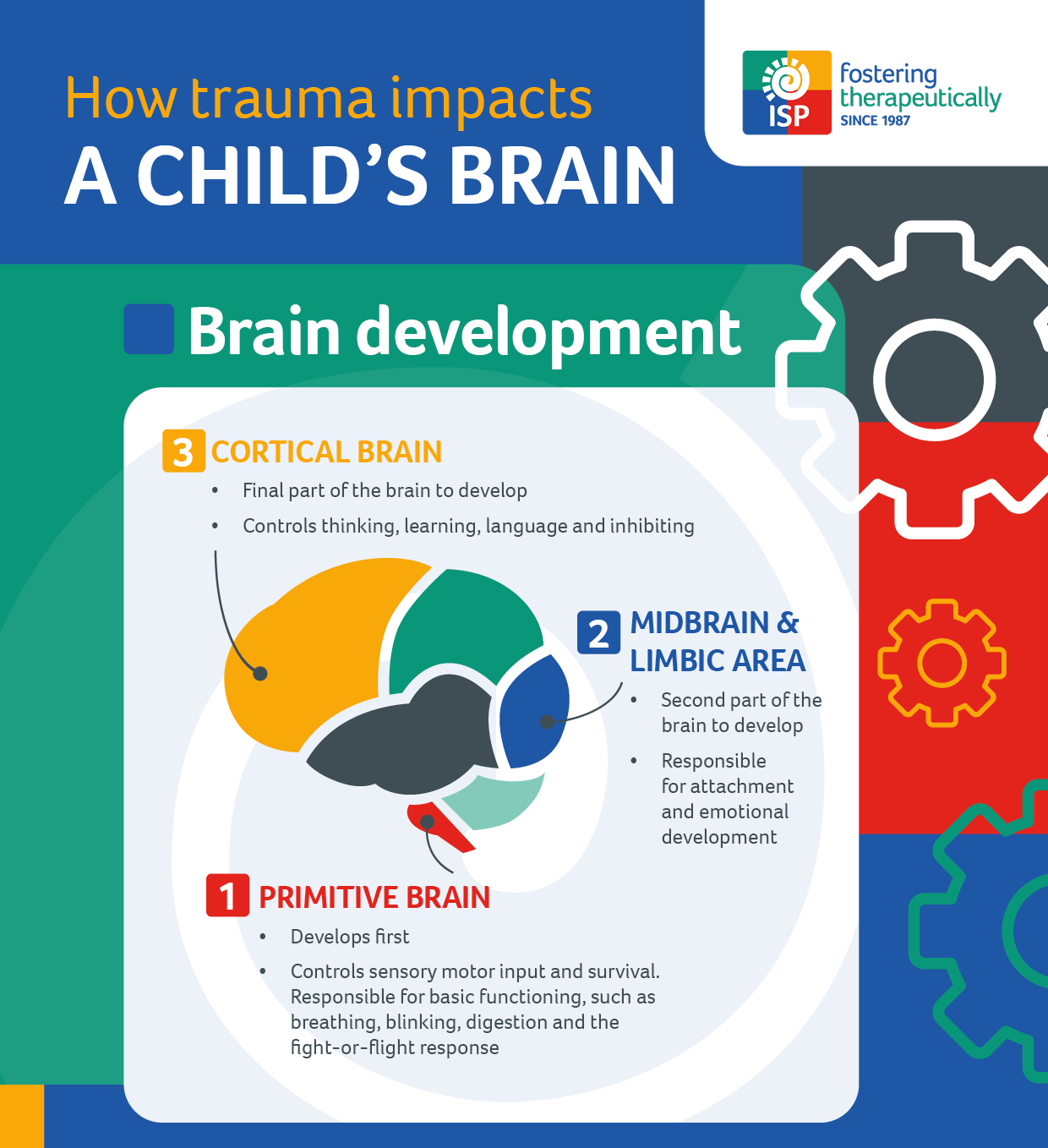
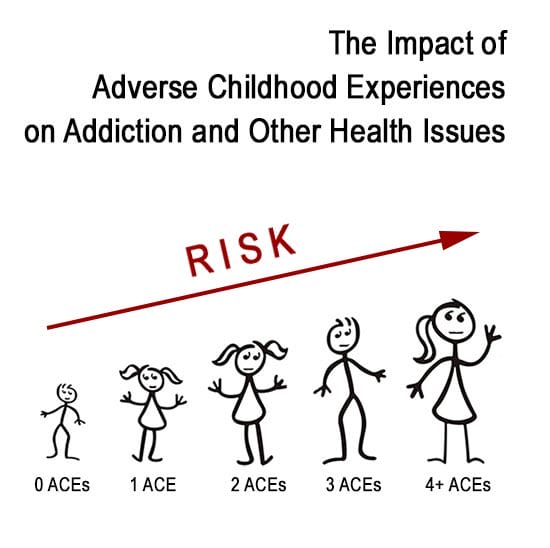
Childhood trauma includes abuse, neglect, household dysfunction, or growing up in an unsafe environment. Because the brain is still developing, early trauma can permanently affect emotional regulation, impulse control, and stress response.
Many adults who experienced childhood trauma use substances to cope with chronic anxiety, emotional numbness, or a persistent feeling of emptiness.
Image caption: Early trauma alters brain development, increasing vulnerability to addiction later in life.
2. Emotional Trauma

Emotional trauma may come from rejection, humiliation, gaslighting, abandonment, or prolonged emotional abuse. Even without physical harm, emotional wounds can deeply impact self-worth and identity.
Substances are often used to escape painful emotions, silence self-critical thoughts, or feel temporarily confident and accepted.
Image caption: Emotional trauma leaves invisible scars that often drive people toward substance use for relief.
3. Physical Abuse or Assault


Physical abuse or violent assault can leave survivors in a constant state of fear and hypervigilance. The nervous system may remain stuck in “fight or flight” mode long after the danger has passed.
Alcohol or drugs are sometimes used to calm the body, reduce panic, or dull memories associated with physical pain and threat.
Image caption: Physical trauma can trap the body in survival mode, increasing reliance on substances to feel safe.
4. Sexual Trauma
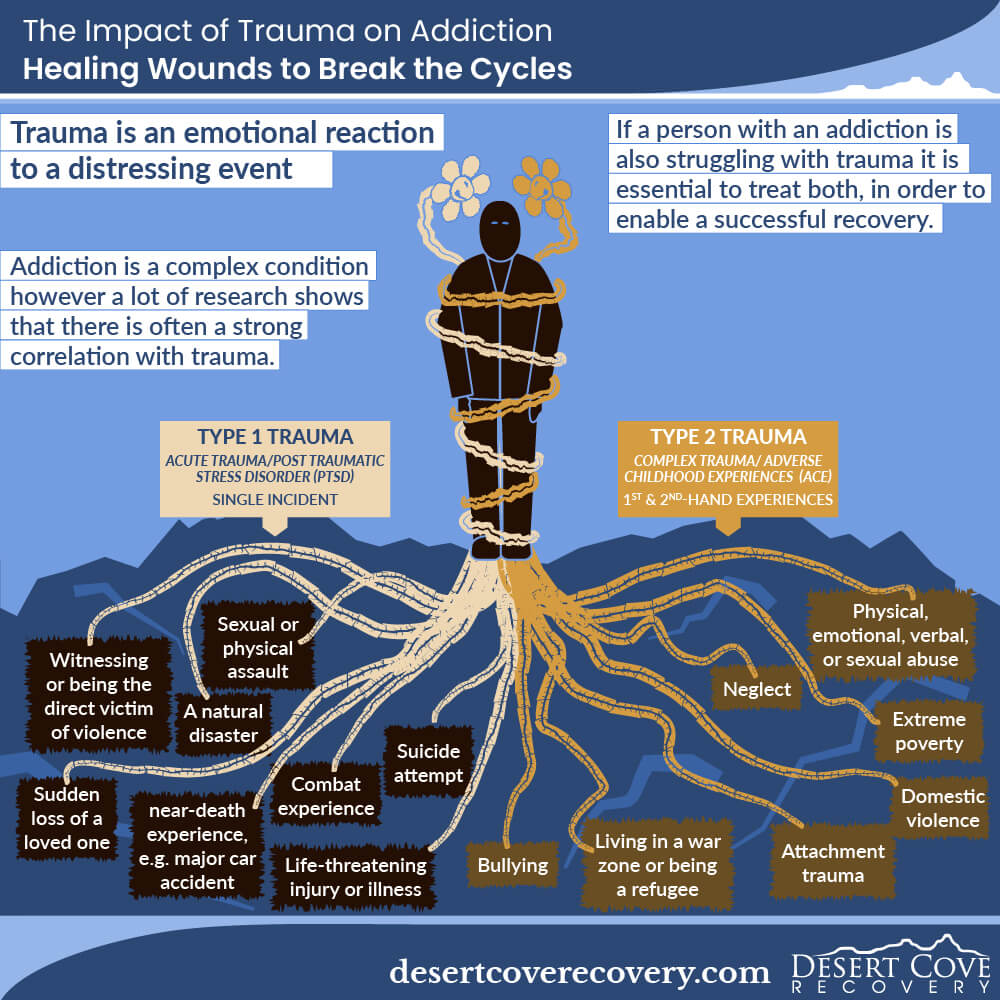

Sexual trauma is one of the strongest predictors of substance use disorders. Survivors may experience shame, dissociation, flashbacks, and difficulty trusting others.
Substances are often used to disconnect from the body, suppress memories, or cope with overwhelming emotions tied to the trauma.
Image caption: Substance use can become a way to escape the emotional and physical memories of sexual trauma.
5. Medical or Accident-Related Trauma
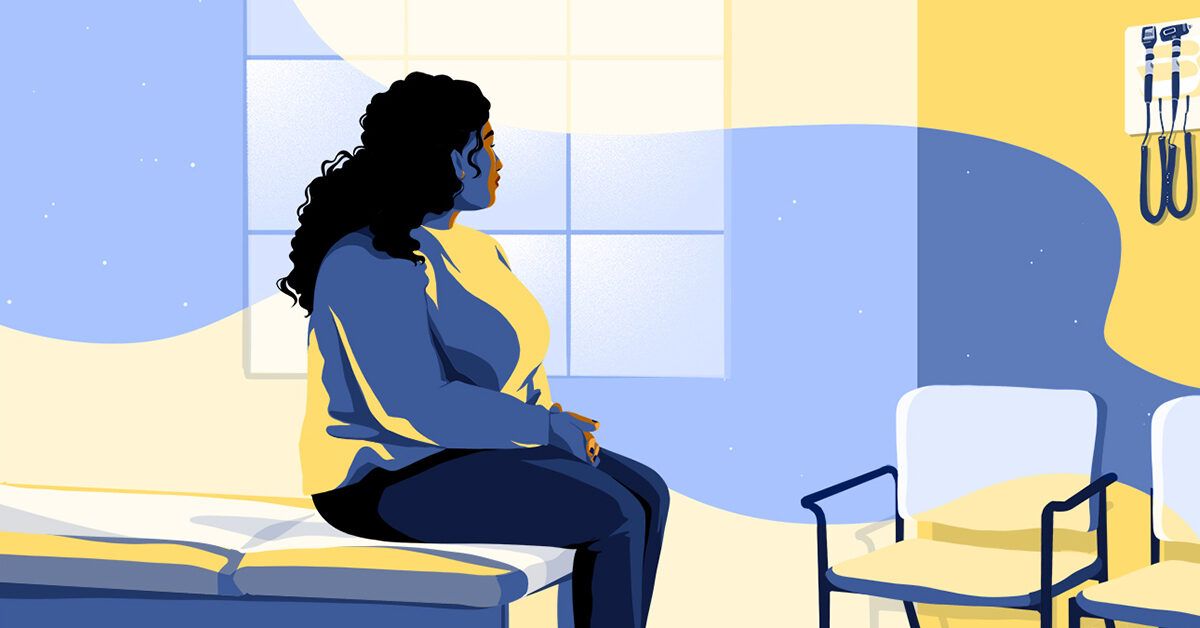
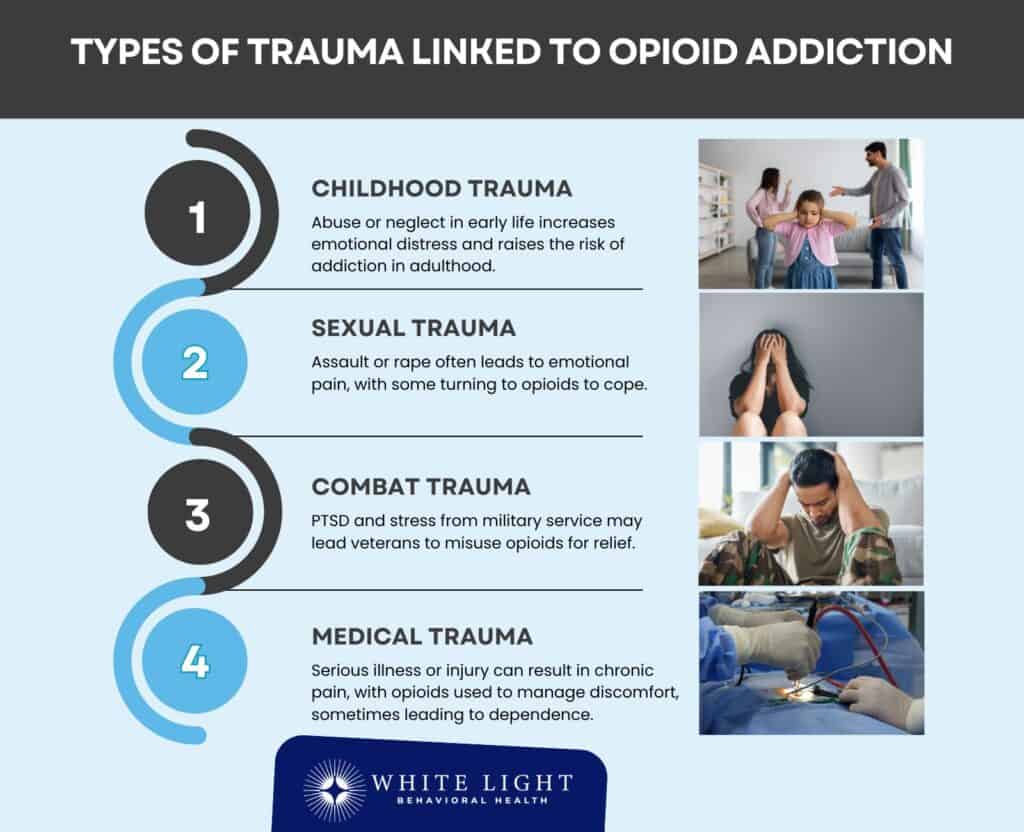
Serious illness, invasive medical procedures, chronic pain, or life-threatening accidents can cause trauma—especially when a person feels powerless or unheard.
Prescription medications, alcohol, or other substances may initially be used for pain or anxiety relief but can evolve into dependence over time.
Image caption: Medical trauma often links pain, fear, and substance use in complex ways.
6. Community Violence or Collective Trauma
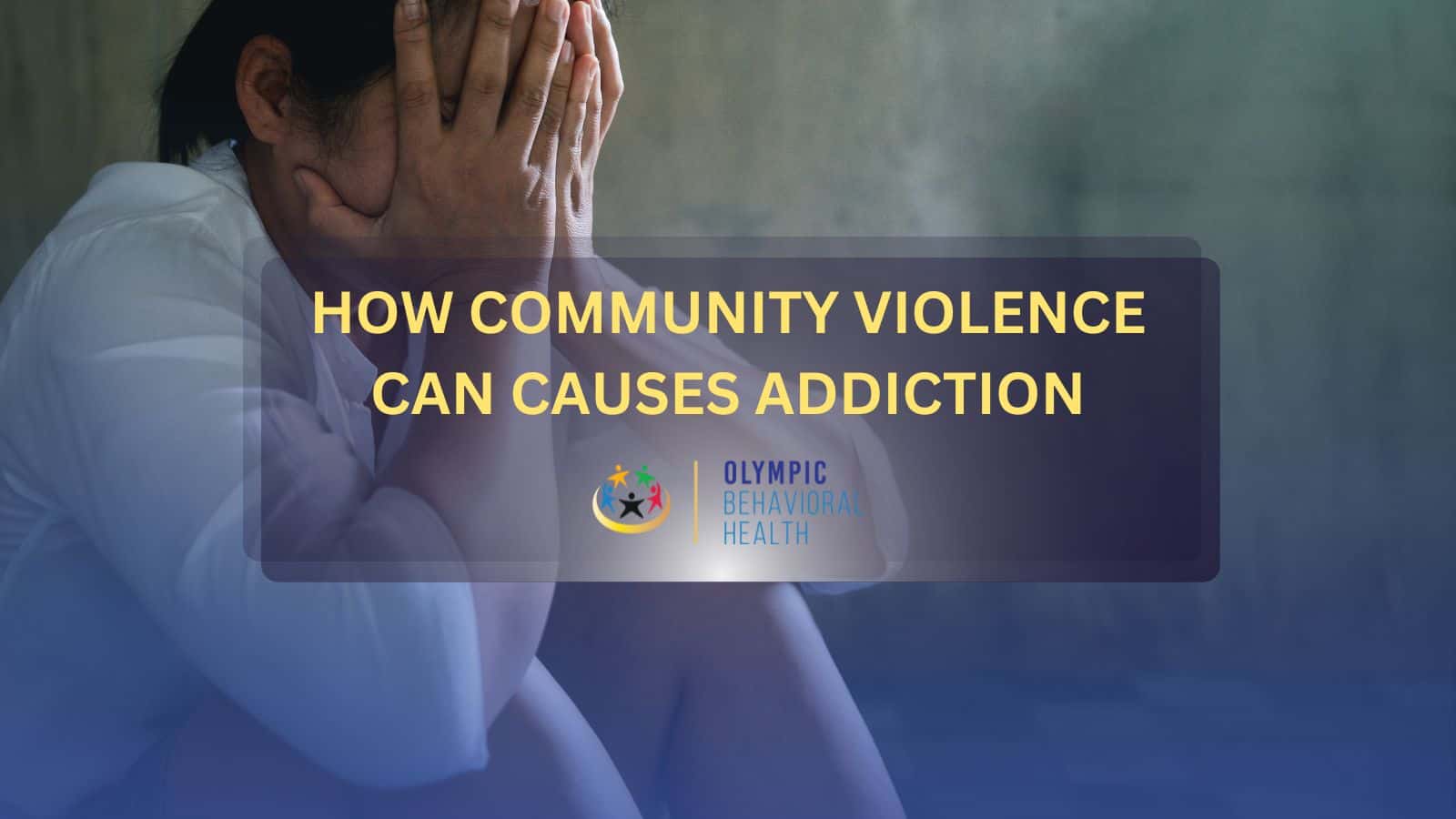

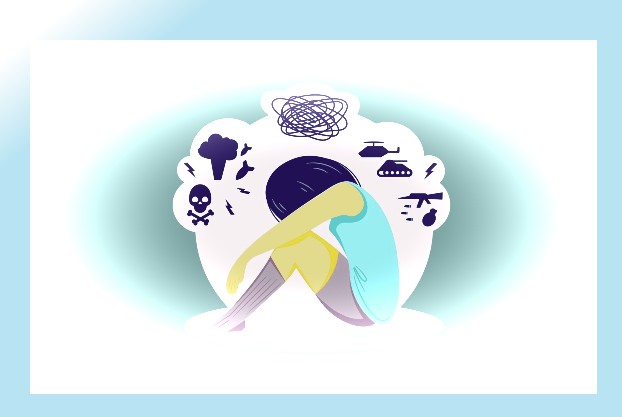
Exposure to war, natural disasters, neighborhood violence, systemic oppression, or repeated loss affects entire communities. Chronic exposure to danger and instability can normalize stress and emotional suppression.
Substances may become a common coping tool to manage grief, fear, and a sense of hopelessness.
Image caption: Collective trauma increases substance use risk across families and communities.
Why Trauma and Substance Use Are So Closely Linked
Trauma dysregulates the brain’s stress and reward systems. Substances temporarily relieve distress by boosting dopamine or numbing emotional pain—but over time, they reinforce avoidance rather than healing. This creates a cycle where trauma fuels substance use, and substance use deepens emotional wounds.
Healing Is Possible
Recovery is most effective when trauma and substance use are addressed together. Trauma-informed therapy, safe support systems, and compassionate care can help individuals rebuild a sense of safety, reconnect with their bodies, and develop healthier coping strategies.