

Introduction
Social isolation is more than just being alone—it is the deep feeling of disconnection from others, from meaning, and from support. In today’s fast-paced, digitally connected world, many people paradoxically feel more isolated than ever. Research and lived experience consistently show that social isolation is a powerful risk factor for substance use and addiction.
When human connection is missing, substances can begin to fill the emotional gap—offering temporary comfort, relief, or numbness. Over time, this coping strategy can quietly turn into dependence.
How Social Isolation Leads to Substance Use



Image caption: Alcohol and drugs may feel like emotional companions during periods of isolation.
1. Emotional Pain and Loneliness
Humans are wired for connection. When isolation sets in, feelings such as sadness, emptiness, and rejection often follow. Substances may seem like a quick way to dull these emotions, even though the relief is short-lived.
2. Reduced Accountability
Without regular social contact, there are fewer external boundaries. No one notices changes in behavior, drinking patterns, or mood. This lack of accountability can make substance use escalate quietly.
3. Loss of Purpose and Structure
Isolation can erode daily routines and a sense of meaning. Substances may step in as a substitute—something to look forward to, something that fills time, even if destructively.
The Brain Connection: Isolation and Reward Systems


Image caption: Social isolation alters the brain’s reward and stress systems, increasing addiction risk.
Social connection naturally boosts dopamine and oxytocin—chemicals linked to pleasure and bonding. Isolation reduces these rewards while increasing stress hormones like cortisol. Substances artificially stimulate dopamine, making them especially appealing to isolated individuals whose brains are craving relief and reward.
Why Isolation Makes Recovery Harder


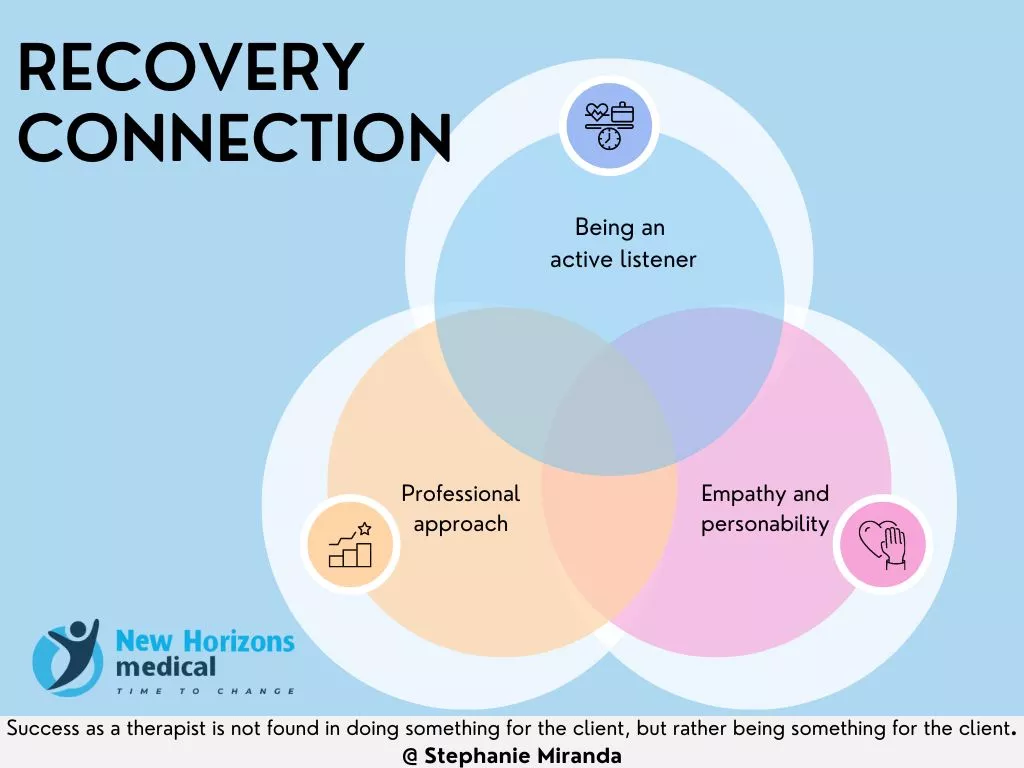
Image caption: Recovery thrives on connection—isolation increases relapse risk.
During recovery, isolation can be dangerous. Cravings often grow stronger in silence. Without supportive relationships, it becomes harder to regulate emotions, resist urges, or stay motivated. Many relapses happen not during moments of chaos—but during quiet, lonely ones.
Breaking the Cycle: Connection as Healing


Image caption: Meaningful connection is one of the strongest protective factors against addiction.
Healing from substance use is not just about stopping a behavior—it’s about rebuilding connection.
Practical steps include:
-
Reaching out to one trusted person, even briefly
-
Joining peer support or recovery communities
-
Volunteering or engaging in shared activities
-
Practicing honest communication about emotions
-
Seeking professional therapy focused on connection and attachment
Connection does not need to be perfect—it only needs to be real.
Conclusion
Social isolation and substance use are deeply intertwined. When people feel unseen, unheard, or disconnected, substances can become a substitute for human connection. But true healing comes from rebuilding relationships—with others and with oneself.
Addressing isolation is not a side issue in addiction recovery—it is a core solution. In connection, people find safety. In safety, they find strength. And in strength, recovery becomes possible.