Cognoa and the University of Missouri Test CanvasDx

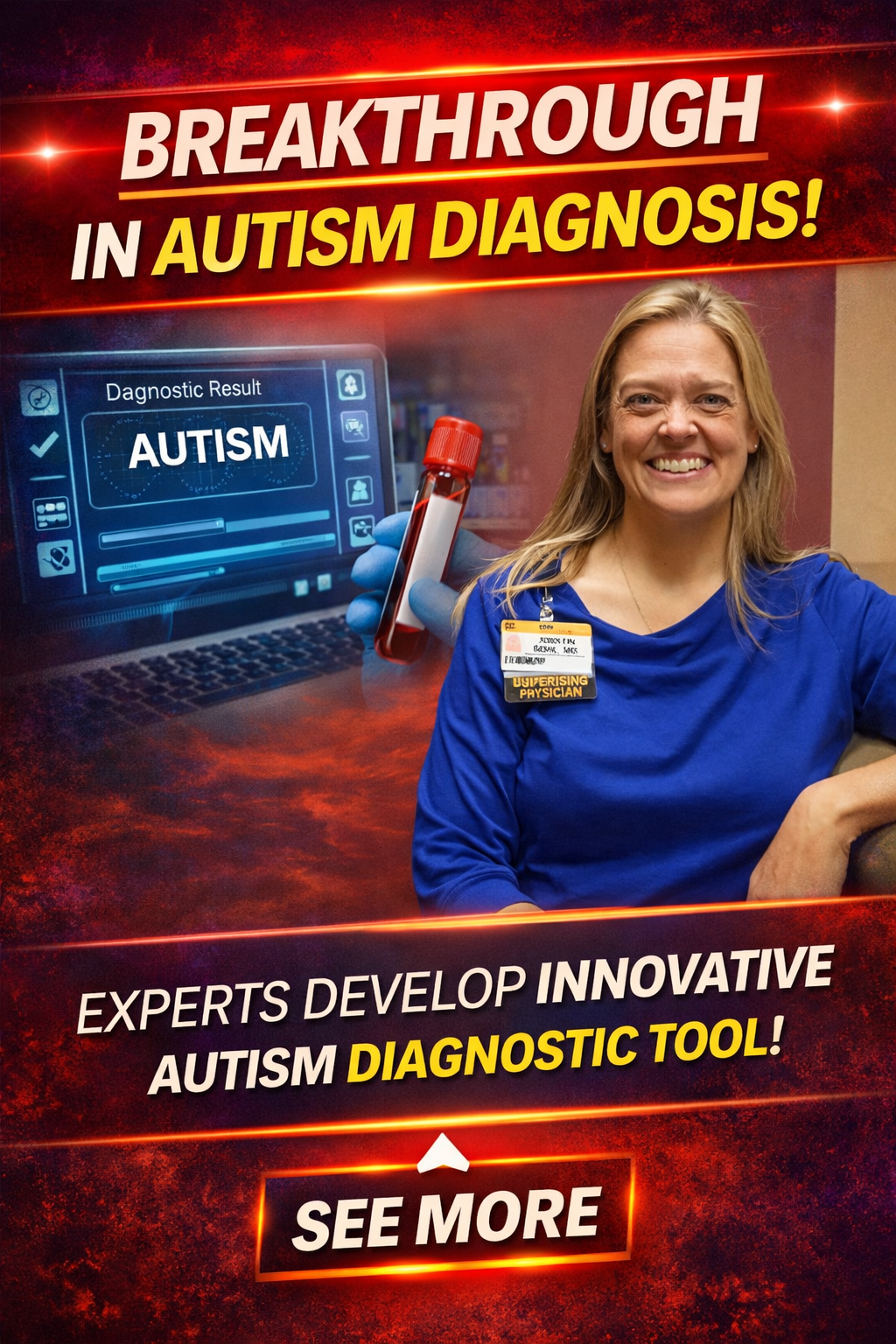
The University of Missouri School of Medicine, in collaboration with the company Cognoa, has conducted a study on the application of an artificial intelligence-integrated diagnostic tool known as CanvasDx. The innovation is designed to assist primary care physicians in assessing children for autism spectrum disorder.

This FDA-approved device analyzes patient data through its algorithms to provide a predictive outcome regarding a potential diagnosis. CanvasDx aims to function as a supportive diagnostic tool within general practice settings and could potentially serve regions lacking immediate access to specialist care.

The research focused on the device’s implementation within an established telehealth training network for clinicians. The study found that CanvasDx yielded determinate results for approximately half of the study participants without producing incorrect positive or negative classifications, and notably did not conflict with the final diagnoses made by the evaluating physicians.

Image Credit: University of Missouri School of Medicine

Trend Themes
1. AI-augmented Diagnostics – Artificial intelligence is transforming diagnostic tools by increasing accuracy and efficiency, as demonstrated by CanvasDx in autism spectrum disorder assessments.
2. Telehealth Expansion – Telehealth integration in diagnostic practices is broadening healthcare accessibility, especially in areas with limited specialist availability, as seen with the CanvasDx deployment in remote clinics.
3. Data-driven Healthcare – The use of patient data analytics through advanced algorithms is enhancing diagnostic outcomes, evident in the predictive capabilities of systems like CanvasDx.
Industry Implications
1. Healthcare Technology – Innovations like AI-integrated diagnostic devices are rapidly advancing the healthcare technology industry, providing tools for more efficient patient assessments.
2. Pediatrics – The incorporation of AI tools in pediatric care is revolutionizing the early diagnosis of developmental disorders, paving the way for timely and targeted interventions.
3. Telemedicine – By leveraging telehealth platforms, the telemedicine industry is revolutionizing access to specialist-level diagnostic tools, reducing the need for in-person evaluations.

Leave a Reply

Your email address will not be published. Required fields are marked *