
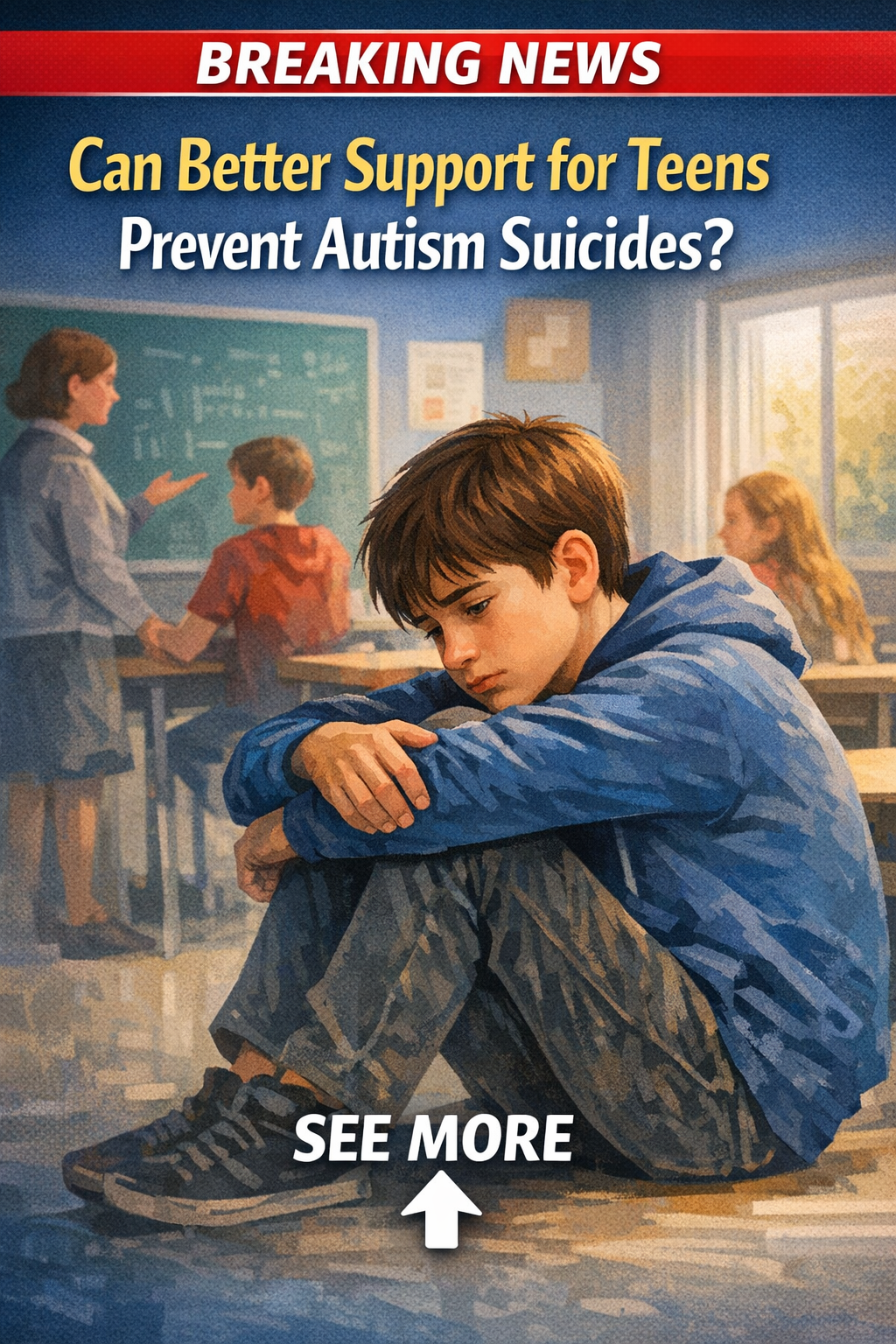
Researchers have called for a radical change in the way society understands suicide and mental illness in autistic people, who are three to five times more likely to die by suicide.
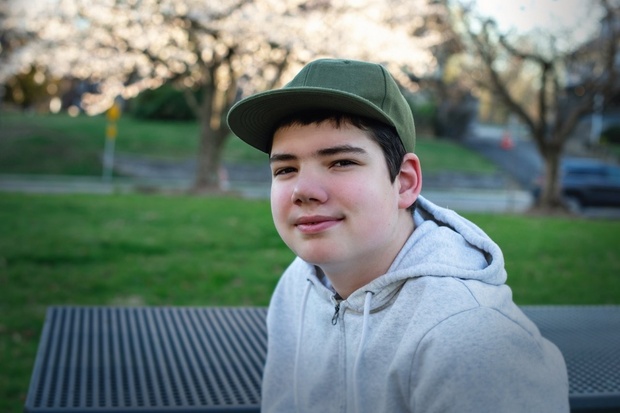
Australian research has found discrimination against and exclusion of autistic people has caused or exacerbated many of the issues that are identified as increasing the risk of suicide in autism, such as bullying, loneliness, and mental health distress. PHOTO: Julia Kozlov
A new study by a team at Cambridge and Bournemouth Universities has found suicide in autistic people originates in the inequalities they face across their lives, starting in childhood, and spanning education to employment, and health and social care.
The British study, published in eClinicalMedicine, involved more than 2500 autistic people and allies/supporters of autistic people.
It is part of the biggest ever survey on suicide among autistic adults.
Contrary to past assumptions, participants in the study were clear that the “seeds of all autistic suicide deaths” are set in childhood, by missed diagnosis and educational systems that fail to support students with special educational needs.
Participants in the study highlighted school years as the source of many later problems.
Historically, suicide has been attributed to mental illness, and mental illness has often been seen as an inevitable consequence of, and an inherent part of autism.
This narrative locates ‘sickness’ in the individual, addressed by clinical interventions that support individuals at crisis point rather than looking at and addressing the underlying societal contributions.
“Participants in our study highlighted the dire straits faced by many autistic people and their families in the UK,” Professor Sir Simon Baron-Cohen, principal investigator and director of the Autism Research Centre, says.
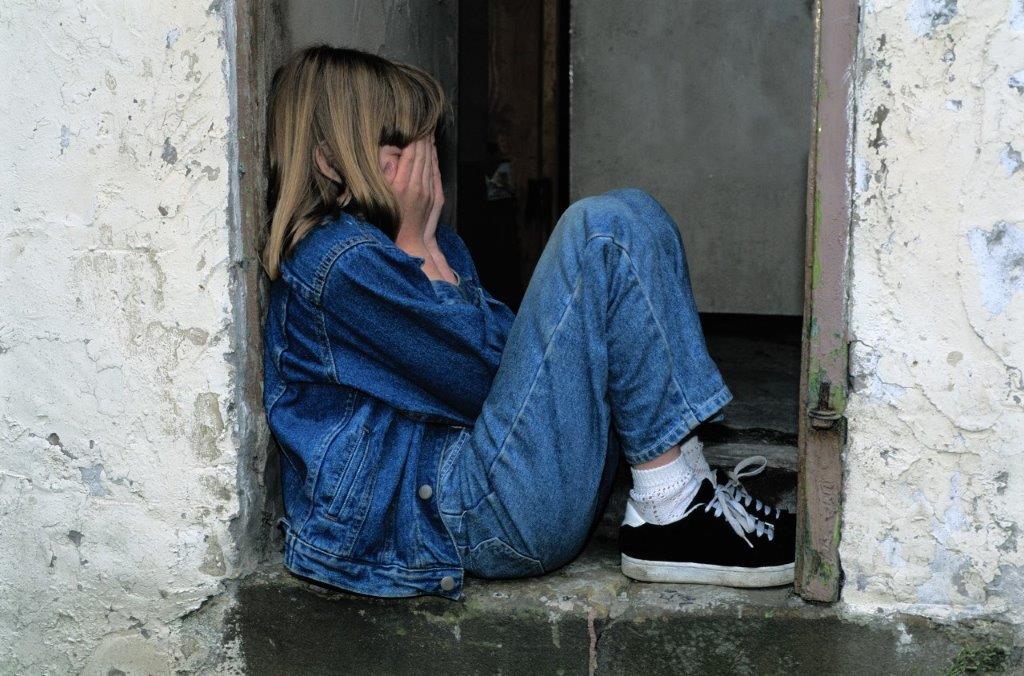
Australian research has found tha autistic adolescents receiving treatment for mental health difficulties and who reported being bullied, are twice as likely to develop suicidal thoughts and behaviour compared to those not reporting being bullied.
“Misunderstood and unsupported by staff, bullied by pupils, autistic people explained that school experiences sow the seeds for their later suicidal thoughts.
“The parents of autistic children described being threatened by the legal consequences of absenteeism when their children were unable to cope in mainstream schools.”
An Australian research and policy brief paper, produced by La Trobe University’s Olga Tennison Autism Research Centre last year, concluded that “despite the many joys and strengths to be found in autism, discrimination against and exclusion of autistic people has caused or exacerbated many of the issues that are herein identified as increasing the risk of suicide in autism, such as bullying, loneliness, and mental health distress”.
Autistic adolescents receiving treatment for mental health difficulties and who reported being bullied, the paper shared, were twice as likely to develop suicidal thoughts and behaviour compared to those not reporting being bullied.
“In Australia, bullying is particularly prevalent among autistic youth with (50 per cent) and without (58 per cent) a co-occurring intellectual disability,” it said.
It also laid out overwhelming evidence demonstrating the dramatically elevated risk of suicide within the autistic population.
“… this heightened risk arises from a complex mix of transdiagnostic and autism-specific risk factors, paired with systemic and individual barriers that impede access to crucial suicide prevention services and supports,” the report read.
Despite an increased research focus on autistic suicidality over the past 10 years, it said, the evidence base remains sparse.
“Key questions regarding, for example, the contribution of intersectional marginalisation to suicide risk; strategies for efficient translation of research to practice; and whether/how appropriate interventions may aid in preventing death by suicide of autistic Australians remain unanswered.
“It is clear that dramatic systemic reform is urgently needed, with a systemwide approach required to deliver healthcare professionals who are better-trained, and healthcare environments that are better-adapted, to meet autistic people’s needs.”
The British paper’s findings are startling for the country, given forthcoming reforms are likely to result in EHCP (Education, Health and Care Plans) being scrapped for many autistic, ADHD and SEND pupils.
There are fears that this will strip legal protections from many vulnerable British children and parents, and place unrealistic expectations on under-resourced schools and under-trained teachers to support students in mainstream settings.
While many participants focused on their school years as the source of their suicidal thoughts, others pointed out how “absolutely useless and without hope” autistic people feel upon leaving the education system.
They report insufficient transitional support into adulthood, lack of support in the community, inadequate welfare systems and employment support, and inaccessible and damaging healthcare systems.
The seeds of suicide thrive in a culture where autistic people feel unwelcome and unwanted, they says.
Autistic people have the lowest employment rates of any disability group in the UK, with only 30 per cent of autistic people in employment currently.
Improving employment rates among autistic people is another priority, given the role participants said that employment difficulties and related poverty played in their suicidal thoughts.
Beyond education and employment, autistic people in the new study were clear: halting progression towards suicide deaths requires committed long-term vision from the government.
Chief among this is a commitment to a properly resourced and co-produced Autism Strategy, as called for in the country’s recent Autism Act Review.
Dr Rachel Moseley, lead author of the new study and principal academic at Bournemouth University, says participants in the study expressed desperation waiting for health and social care that never arrives.
“But they didn’t reach that point of desperation overnight. Rather, they got there through a lifetime of inequalities in a society that fails to protect and support autistic people.
“There will never be enough crisis support to save every suicidal autistic person if we don’t disrupt the suicidal trajectory.”
Co-author Dr Carrie Allison, Deputy Director of the Autism Research Centre, said if suicide in autistic people was considered as a societal issue rather than an individual one, something might be able to be done about it.
“Autistic deaths by suicide are needless and preventable,” she says.
“We urge the [British] Government to partner with autistic people and their allies to develop to a cross-sector strategy to support autistic people throughout their lives.”
The study was initiated by charity Autism Action, whose number one priority is reducing suicide in autistic people, and led by the Autism Research Centre at the University of Cambridge, with a project team including academics from Bournemouth University, Newcastle University, University of Nottingham, and SOAS University of London.