
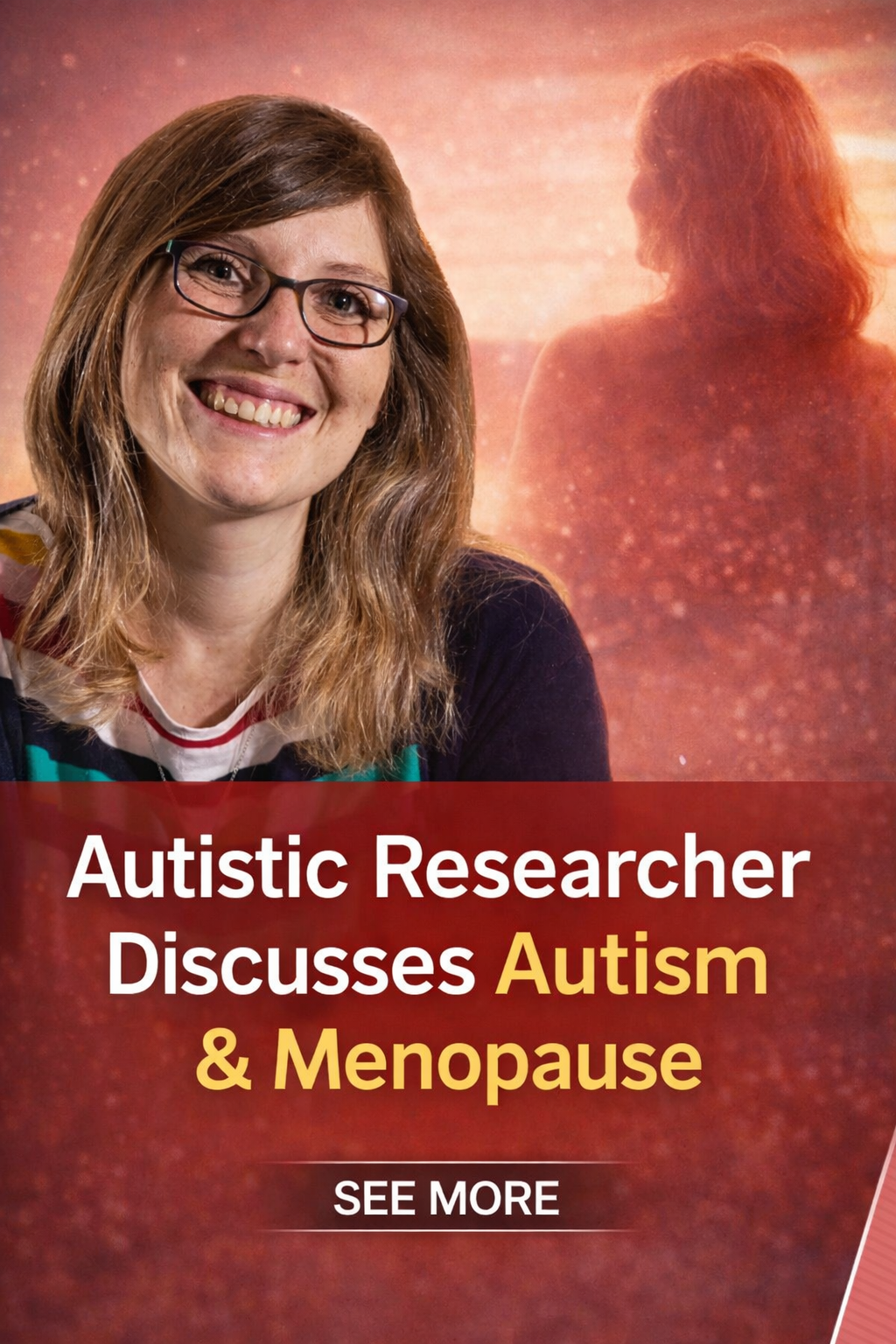
A childhood teacher once told Rachel Moseley, Ph.D., there was “no point” in teaching her math. Since then, she has graduated from Cambridge University in England with a doctorate in cognitive neuroscience. She and a colleague have recently published a book of interviews exploring menopause among people with autism.
Menopause is colloquially referred to as “The Change” for a reason — aside from puberty, it’s one of life’s biggest biological shifts for people who menstruate.
Although menopause affects everyone differently, neurodivergent individuals, including people with autism spectrum disorder, may have a harder time coping than neurotypical people because it intensifies existing challenges with sensory processing, emotional regulation and executive function.
Imagine this: You’re talking to colleagues at an important work event, and suddenly you feel a hot flash coming on. You might be embarrassed, uncomfortable and frustrated.
Now imagine you are autistic, and the feeling of sweat pouring down your back isn’t just disruptive; it’s downright distressing. Pair this with the fact that you may already struggle in social settings, and the episode distances you from others, and, unable to speak, you are left to “drown in yourself.”
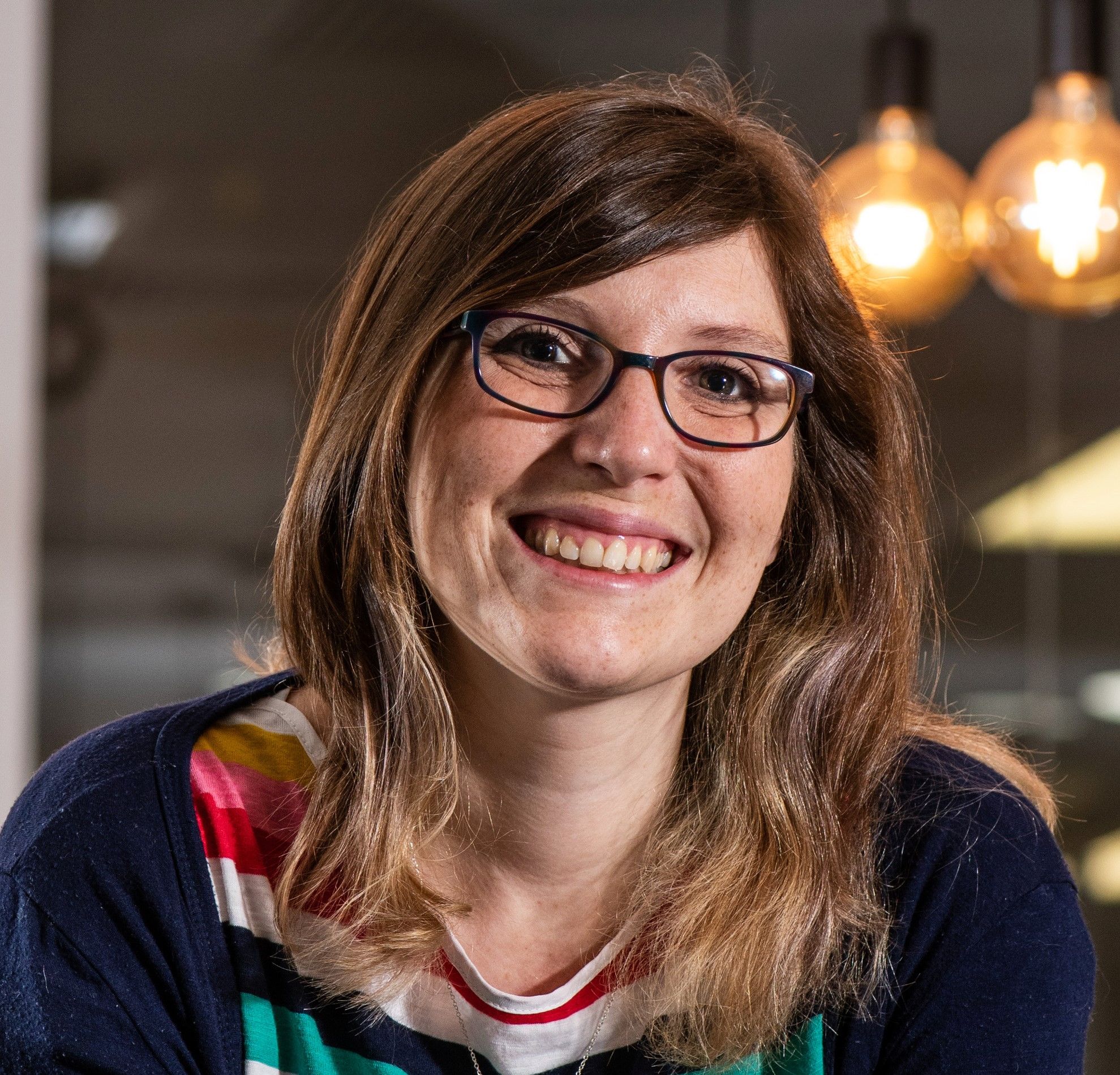
Rachel Moseley, Ph.D.
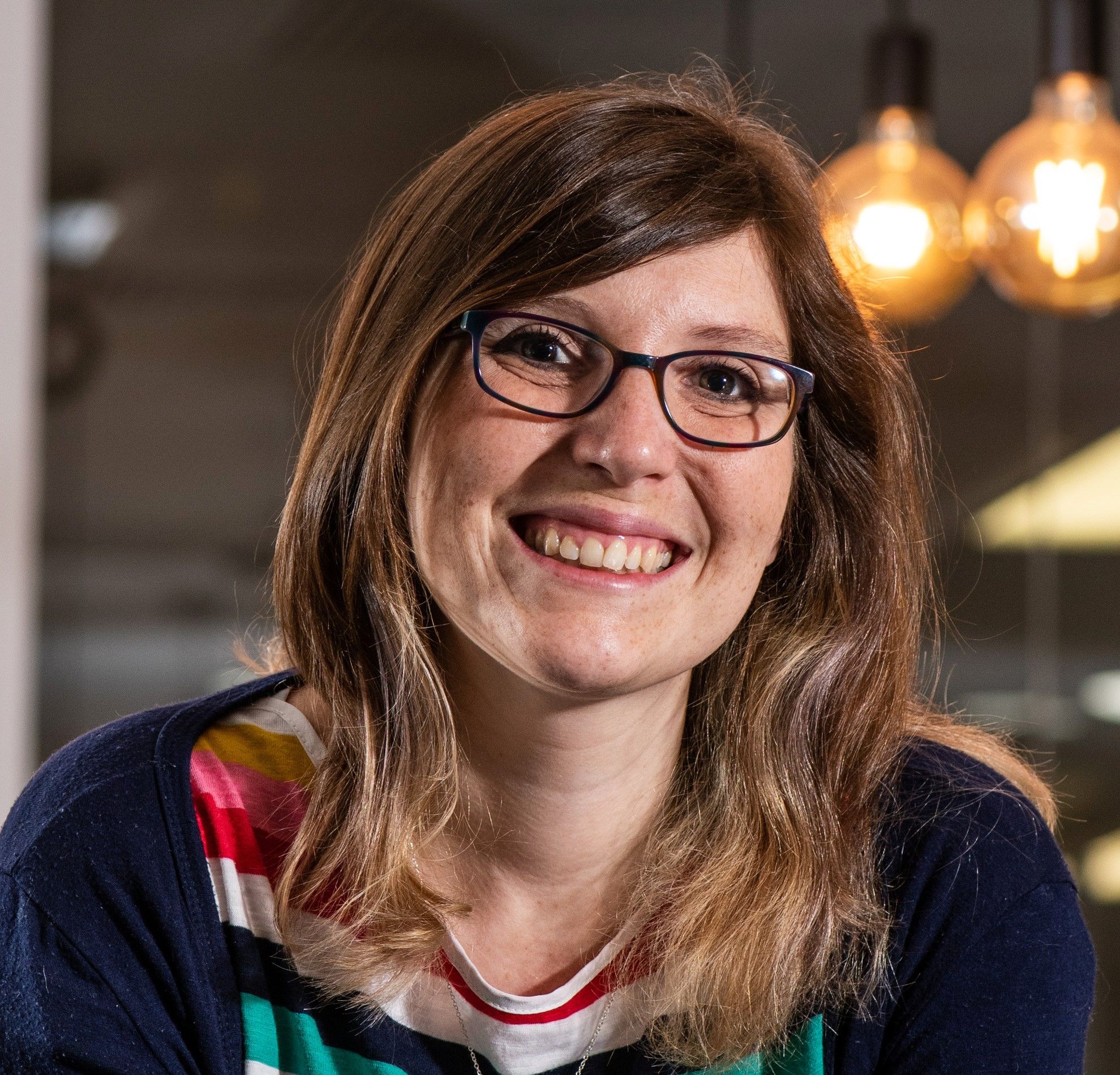
This is how one autistic woman describes her hot flash experience in “Autistic Menopause: A Guide to the Menopausal Transition for Autistic People and Those Supporting Them,” a collection of interviews with 16 autistic individuals, all of whom were assigned female at birth, who have experienced menopause. The interviews were conducted by Rachel Moseley, Ph.D., and Julie Gamble-Turner, Ph.D., a faculty member at Bournemouth University in the United Kingdom. Their book was published in January 2026.
Gamble-Turner is a visiting health psychology professor who specializes in stress across the lifespan. Moseley is a principal academic in psychology who is also autistic.
“There is no absolute profile of a neurotypical or a neurodivergent menopause, but research shows that, on average, autistic people might have symptoms that are more severe, particularly the psychological symptoms like mood changes and cognitive changes,” Moseley said in an interview with Managed Healthcare Executive.
She explained that autistic people already often struggle with regulating their emotions, their executive function and their memory, which are also commonly reported symptoms during menopause.
“It’s like autistic people are taking a double hit because these are already difficult for them. Menopause comes and makes these things harder,” Moseley said.
Menopause may also change the way an autistic person experiences their own neurodivergence. Moseley explained that during the interviews for the book, many interview subjects said they had found careers that draw on their neurodivergent strengths. For example, finding a career where their hyperfocus tendencies benefit them, like the creative arts or healthcare.
“What some people say happens at menopause is that they can no longer hyperfocus, or they can’t control it as much as they used to, and so your experience of your neurodivergence can change,” Moseley said.
It is not uncommon for autistic women to remain undiagnosed well into adulthood. In fact, one study found that 80% of autistic girls are still undiagnosed by the age of 18.
Moseley’s diagnostic journey
Moseley, 38, was formally diagnosed with autism 10 years ago “by chance.” By then, she had already completed her Ph.D. in neuropsychology at Cambridge, learned how to diagnose autism in others and was then in the middle of postdoctoral work studying the brain function and structure in autistic people.
Moseley recalled, in her pleasant English accent, “My mum happened to say, one day, ‘You know that autism was the working diagnosis for you when you were a child, right?’”
As a baby, Moseley struggled with being held. When she was a toddler, her parents thought that she may be deaf because she didn’t look when her name was called. This is a common sign of autism because autistic children don’t always respond to the social activity going on around them, Moseley explained.
She was also behind on her motor and language development, which are also autistic hallmarks.
“I was a very, very unhappy, very confused child. I didn’t understand why I was so different,” Moseley said.
Moseley recalled an especially painful memory in which, during a parent-teacher conference, her mother was told there was no point in teaching Moseley maths, because “she’ll never be able to shop by herself.”
“I thought I was fundamentally bad, that I might be a psychopath, that I was a terrible, broken person,” Moseley said, sounding defeated but then hopeful. “I’d never known autism was considered, and as soon as I knew it was, I already knew about sex and gender differences, and I saw everything in a new light.”
Most of the book’s participants said that they did not know about their neurodivergence before entering menopause, which, in the United States, begins at approximately age 50.
Diagnosis of autism is often delayed in women for several reasons. For one, they tend to express their autism differently than men. For example, women are more likely to “mask” their autistic traits in social settings to fit in with others. This may be done consciously or subconsciously, by mirroring tone of voice or by forcing themselves to make eye contact.
Autistic women are also more likely than men to internalize their symptoms, which can be easily missed during diagnostic testing. Men may be more prone to aggression or behavioral difficulties; women may be more likely to internalize their symptoms as depression or anxiety.
Even if autistic girls self-report their symptoms, they still might be underrepresented in research. One study found that despite making up nearly 50% of the initially recruited sample based upon self-reports of community diagnosis, autistic females were disproportionately excluded from research participation due to commonly used autism diagnostic measures.
It wasn’t until Moseley was 10 years old that a psychologist suggested she may have Asperger syndrome, which was at one time considered a separate form of “high functioning” autism. It is now called Autism Spectrum Disorder because of past diagnostic inconsistencies and to create distance from pediatric researcher Hans Asperger, a Nazi affiliate for whom the condition is named. Moseley completed a screening test, but the pediatrician determined she did not have it because by that time, she was pointing at things and making eye contact, even though she’d only started making eye contact within that last year.
Interviewees report mostly negative experiences
Moseley said she and Gamble-Turner were inspired to publish a book about menopause and autism by a conversation they had about whether menopause might be more stressful for people with autism than neurotypical people. To their surprise, they couldn’t find any information on the topic, so they set out to fill the void with their own research, guided by their respective expertise.
Some of the interviewees from the book expressed frustration with a lack of information and guidance about entering menopause as an autistic person.
In the book, Suzi, one of the interviewees, said, “I really wish I’d known [about my autism] and that there was somebody who could have sat down and explained to me, “all these things that you’ve got are autism, and then when you start to go through the menopause, it might just be like this a little bit!'”
Other interviewees found their menopause symptoms to be debilitating.
Sally reported her sensory sensitivities caused her to lose consciousness in public on several occasions. “I began to find shopping centers and supermarkets overwhelming — the combination of light, sound, color, chaos and choice is overwhelming.”
But Moseley said it’s important to remember there is variation in experiences. Some interviewees even said their autistic menopause experience was beneficial.
“Some of our participants explained that [before menopause] they had been shackled to an identity; they had to mask to satisfy other people,” Moseley explained. “At menopause, they felt less able to do those things, but through that, they gained freedom.”
Menopause experience is heavily impacted by access to resources, which neurodivergent people are less likely to have when compared with neurotypical people. “As a neurodivergent person, you are less likely to have a supportive healthcare relationship,” Moseley said. “You often will have less access to information about menopause, partly because you may be less likely to have close relationships that could support you during menopause.”
Moseley’s main area of expertise is mental health issues in autistic individuals. She has a long history of mental health challenges, including an eating disorder and suicidality.
On January 21, she attended Autistic Women and Girls: Overlooked and in Crisis, an event held at Parliament that raised awareness about suicide. As part of the event, three mothers spoke about how suicide touched their lives, two of whom had lost their daughters.
“I was just thinking, my mum could have been up there,” Moseley said.
Moseley believes it was “luck” that saved her life.
“It’s terrifying how in the system, people fall through the cracks, and with the best will in the world, families can’t always save you. That’s the terrifying reality of being autistic at the minute,” Moseley said. “That’s why we need to make things better so that it’s not luck that people do make it.”
If you or someone you know is struggling with their mental health, 24/7 help is available at the Suicide & Crisis Lifeline by calling or texting 988 in the United States and Canada.
Moseley also has mental health resources listed on her website.