
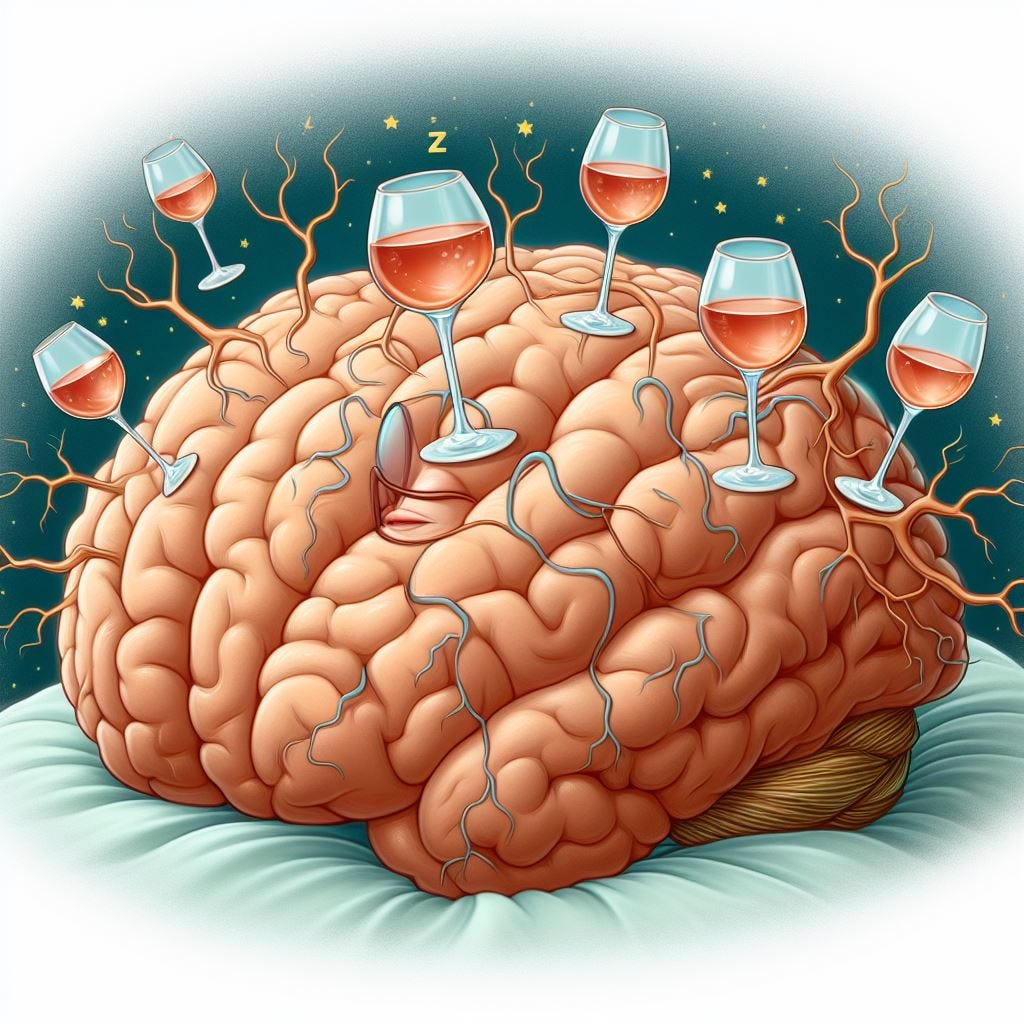
Introduction: Alcohol and the Illusion of Better Sleep
Many people believe that alcohol helps them fall asleep faster—and at first, it often does. A drink or two can make the body feel relaxed, heavy, and drowsy. But beneath that initial calm, alcohol quietly interferes with the brain’s natural sleep architecture. The result is sleep that feels long but leaves you exhausted, unfocused, and craving stimulants the next day.
Understanding how alcohol disrupts sleep cycles is crucial for anyone struggling with insomnia, fatigue, mood instability, or recovery from substance use.
Understanding Healthy Sleep Cycles


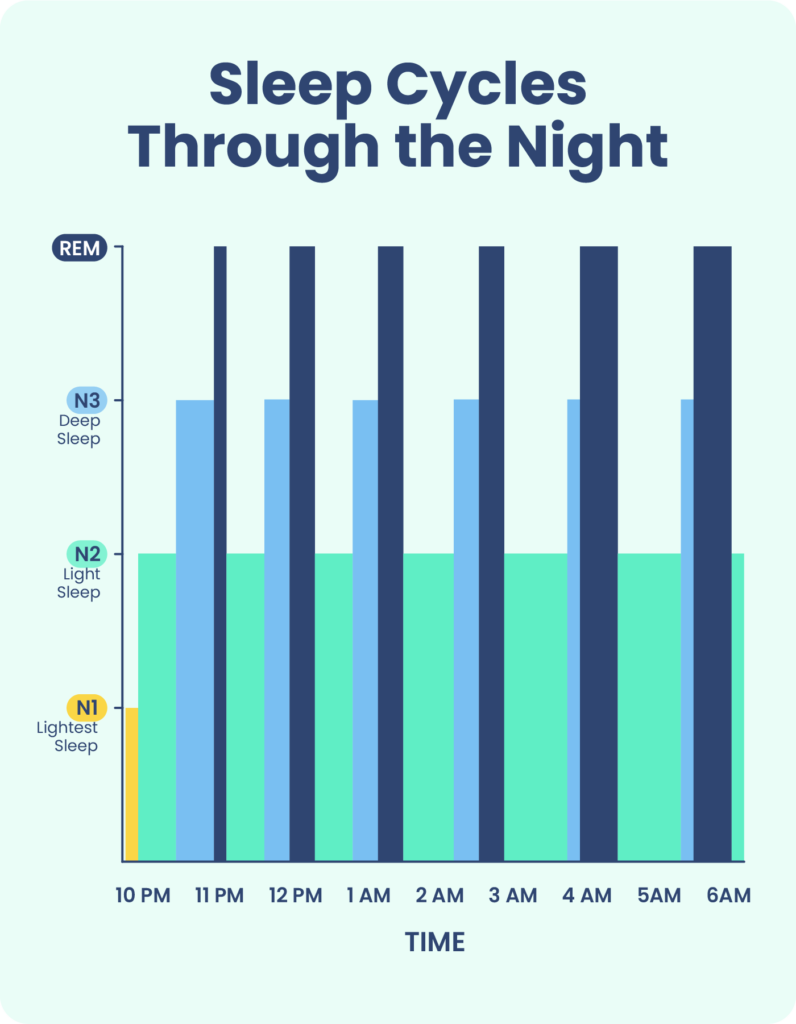
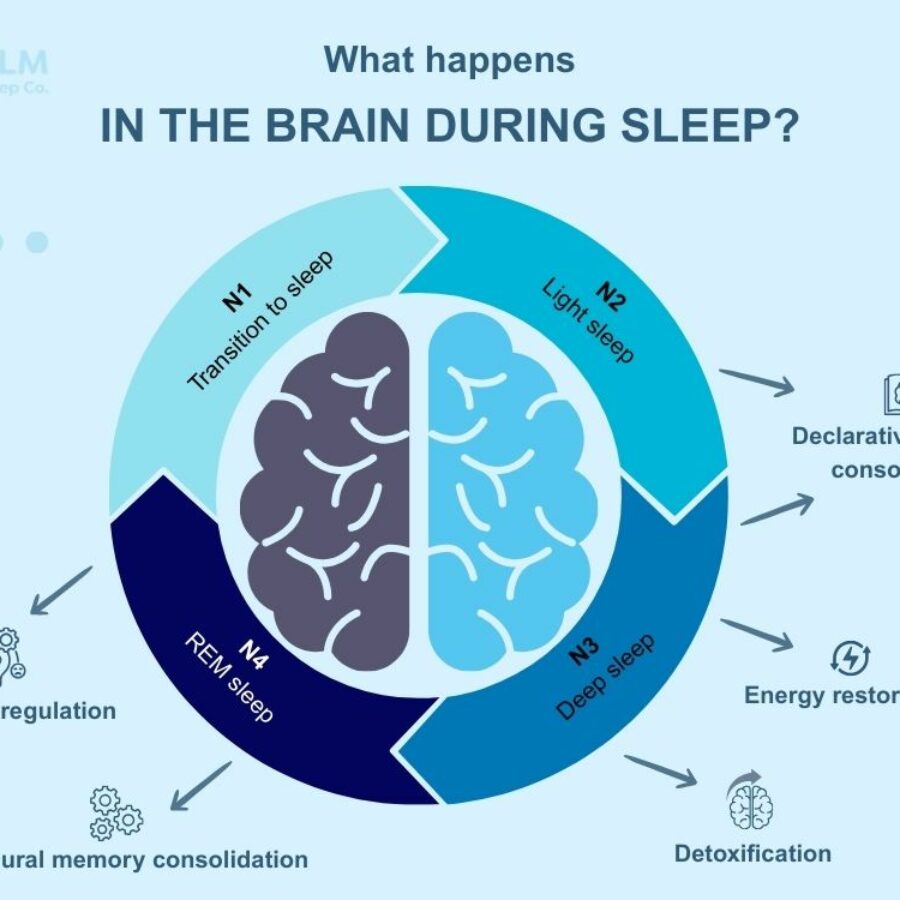
A normal night of sleep moves through repeating cycles, each lasting about 90 minutes. These cycles include:
-
Light sleep (NREM stages 1–2): The body begins to relax.
-
Deep sleep (NREM stage 3): Physical restoration, immune repair, and memory consolidation occur.
-
REM sleep: Emotional regulation, learning, and mental recovery take place.
A healthy night contains multiple balanced cycles of deep and REM sleep. Alcohol disrupts this balance.
How Alcohol Alters Sleep Architecture

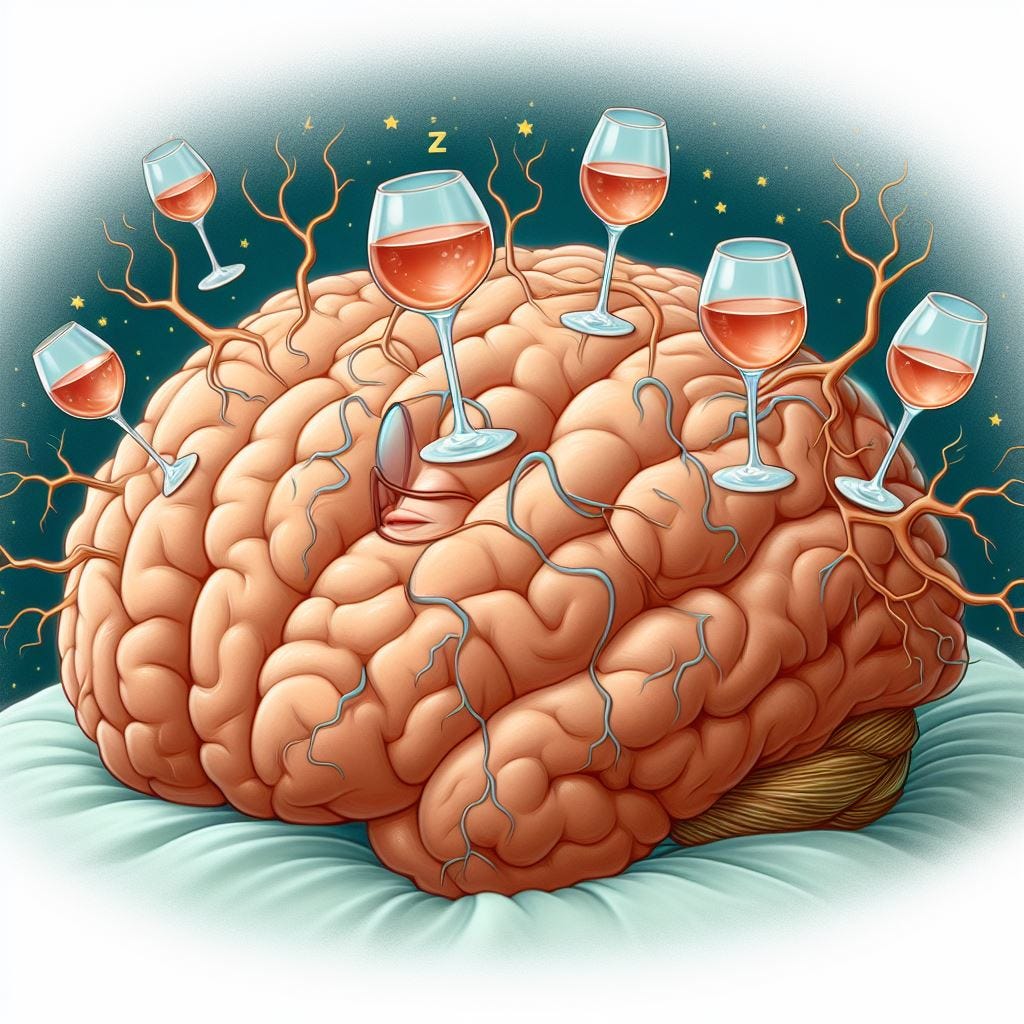

Alcohol affects sleep in several key ways:
1. REM Sleep Suppression
Alcohol significantly reduces REM sleep in the first half of the night. REM is essential for emotional processing and mental clarity. When REM is suppressed, the brain tries to “rebound” later, leading to vivid dreams, nightmares, and frequent awakenings.
2. Fragmented Sleep
As alcohol is metabolized, the nervous system shifts into a stimulated state. This causes:
-
Frequent nighttime awakenings
-
Restlessness and shallow sleep
-
Early morning waking with anxiety
3. Reduced Deep Sleep Quality
Although alcohol may increase deep sleep briefly, the quality is poor and inconsistent. The restorative benefits are diminished, leaving the body under-recovered.
Alcohol, Circadian Rhythm, and Hormones
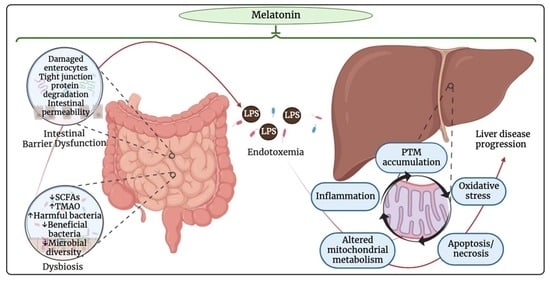
Alcohol interferes with the body’s internal clock by:
-
Suppressing melatonin, the hormone that signals sleep
-
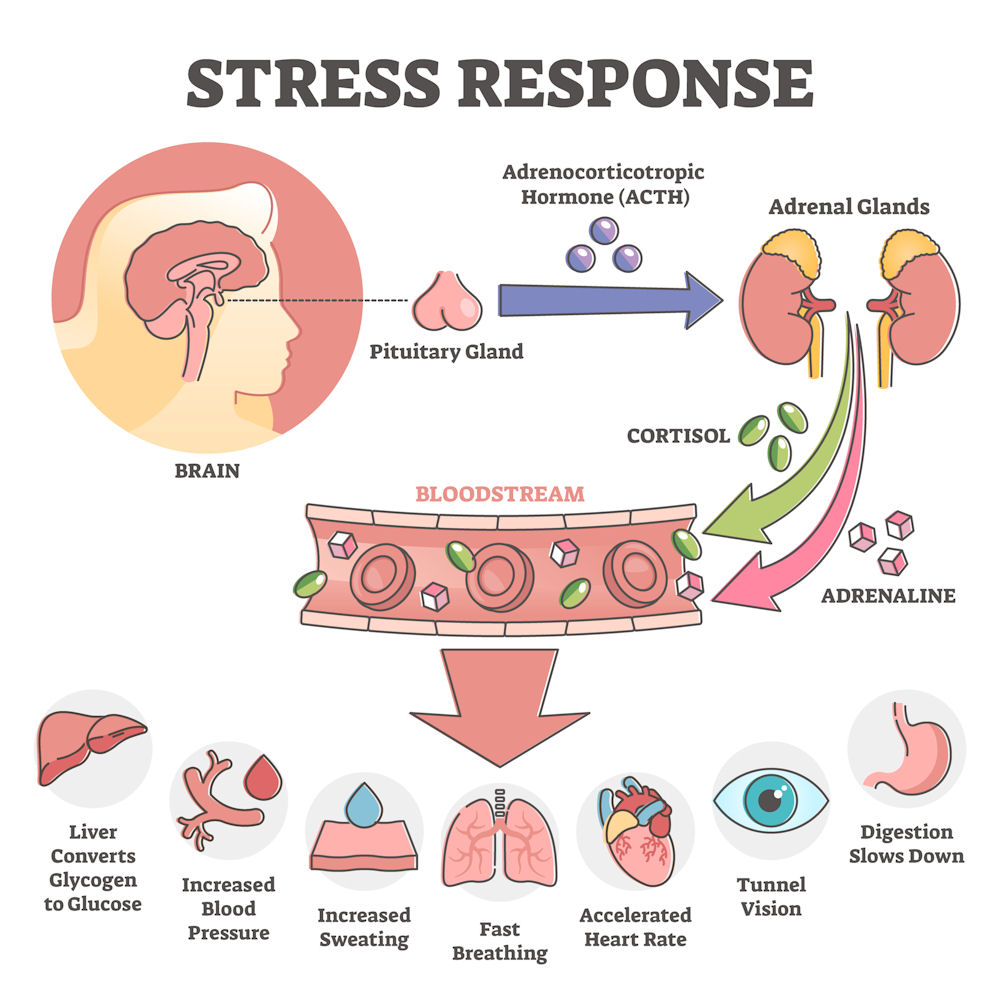
Increasing cortisol, the stress hormone, during the night
-
Disrupting temperature regulation, making sleep less stable
These hormonal shifts explain why people often wake up sweaty, anxious, or alert after drinking—even without a hangover.
Why Alcohol-Related Sleep Feels Unrefreshing

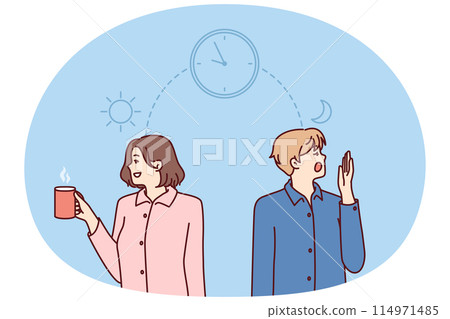
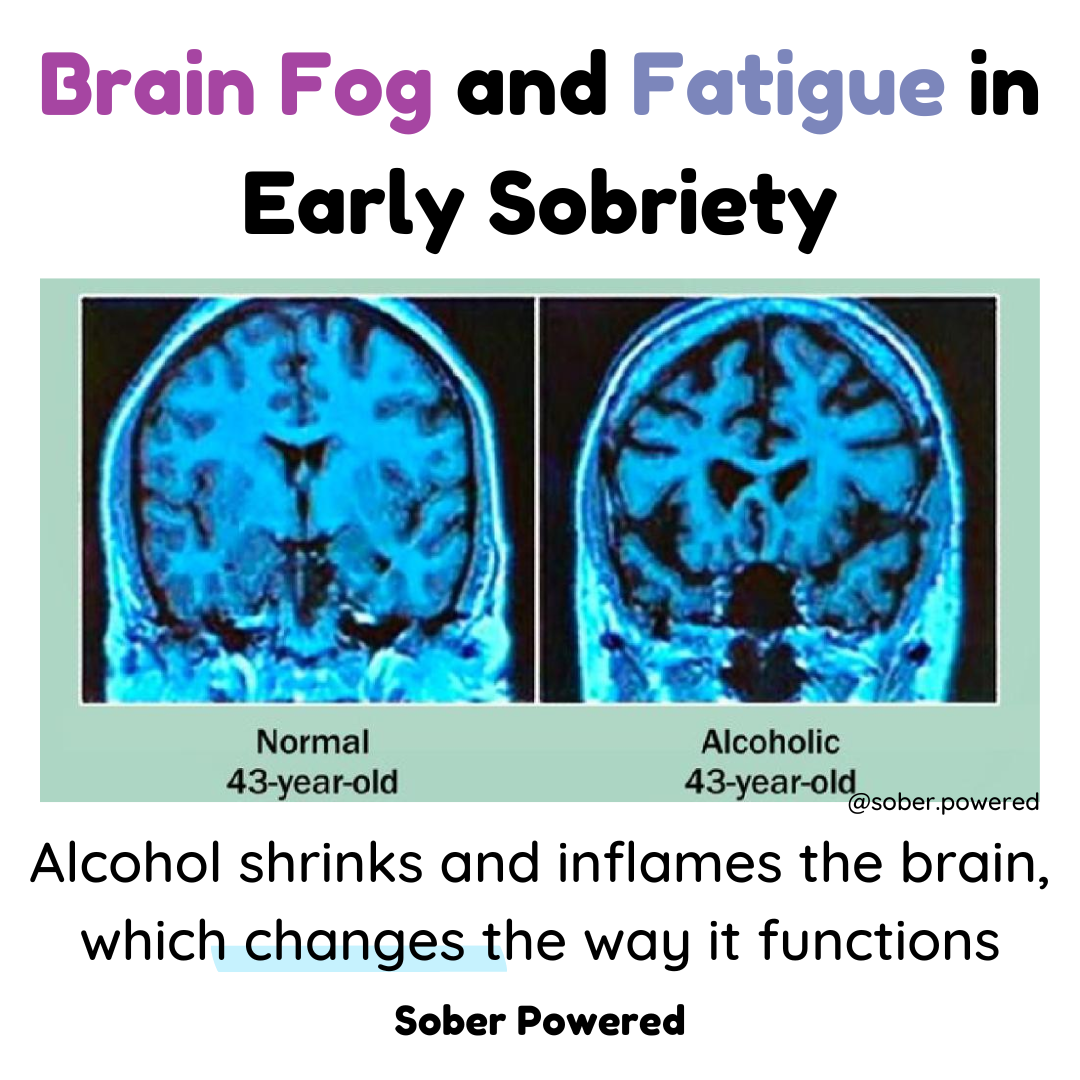
Even after 7–8 hours in bed, alcohol-altered sleep often leads to:
-
Morning fatigue and brain fog
-
Increased anxiety or low mood
-
Strong cravings for caffeine, sugar, or alcohol
-
Reduced stress tolerance throughout the day
Over time, this pattern can worsen insomnia, emotional regulation issues, and relapse risk in recovery.
Long-Term Effects of Alcohol on Sleep Health


Chronic alcohol use can lead to:
-
Persistent insomnia
-
Worsened sleep apnea
-
Heightened nighttime anxiety
-
Dependence on alcohol to initiate sleep
Ironically, the more alcohol is used as a sleep aid, the more severe sleep problems become.
How Sleep Improves After Reducing or Stopping Alcohol


Within weeks of reducing or eliminating alcohol, many people experience:
-
Longer, deeper REM sleep
-
Fewer nighttime awakenings
-
Improved mood and emotional stability
-
Stronger natural sleep signals
Sleep may feel restless at first, but true restorative sleep gradually returns as the brain recalibrates.
Final Thoughts
Alcohol doesn’t improve sleep—it disguises disruption. While it may shorten the time it takes to fall asleep, it fragments the very cycles the brain and body rely on for healing, emotional balance, and resilience. Understanding this connection empowers better choices, especially for those seeking long-term health, mental clarity, and recovery.
True rest comes not from sedation, but from letting the brain complete the cycles it was designed to follow.