

Introduction
Burnout is more than feeling tired or overwhelmed—it is a state of deep emotional, mental, and physical exhaustion caused by prolonged stress. For people in addiction recovery, burnout can be especially dangerous. It often builds quietly, disguising itself as “just stress,” until one day it triggers a sudden and unexpected relapse. Understanding how burnout fuels relapse is essential for prevention, long-term recovery, and self-compassion.
What Burnout Really Does to the Brain


Burnout alters how the brain functions, particularly in areas responsible for motivation, impulse control, and emotional regulation.
Key neurological effects of burnout include:
-
Elevated cortisol levels, which increase anxiety and cravings
-
Reduced dopamine sensitivity, making healthy rewards feel dull
-
Weakened prefrontal cortex activity, lowering self-control and decision-making capacity
When these systems are compromised, the brain begins searching for fast relief—often through substances previously associated with comfort or escape.
Image caption: Chronic stress and burnout disrupt the brain’s reward and self-control systems, increasing vulnerability to relapse.
Why Burnout Can Trigger a Sudden Relapse

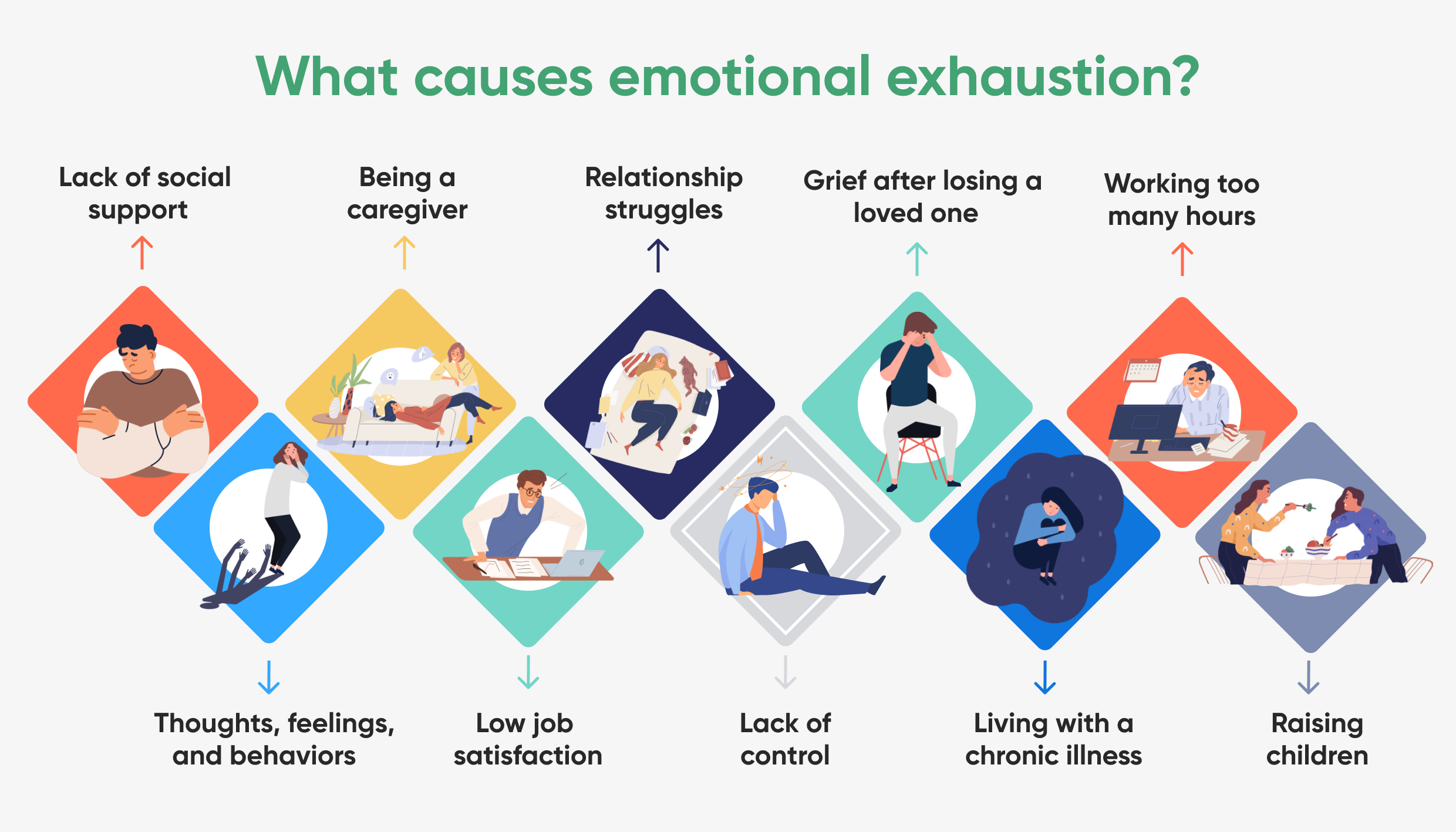

Many relapses linked to burnout feel “sudden,” but they are usually the result of accumulated strain. Burnout erodes resilience slowly, until one emotional moment becomes the breaking point.
Common burnout-related relapse triggers include:
-
Feeling emotionally numb or disconnected
-
Loss of meaning or motivation in recovery routines
-
Persistent fatigue that makes coping skills feel exhausting
-
A desire to “shut off” or escape mental pressure
In this state, the brain remembers substances as a shortcut to relief—even if the person logically knows the consequences.
Image caption: Emotional exhaustion and isolation are common burnout states that often precede relapse.
Burnout vs. Ordinary Stress: Why the Risk Is Higher


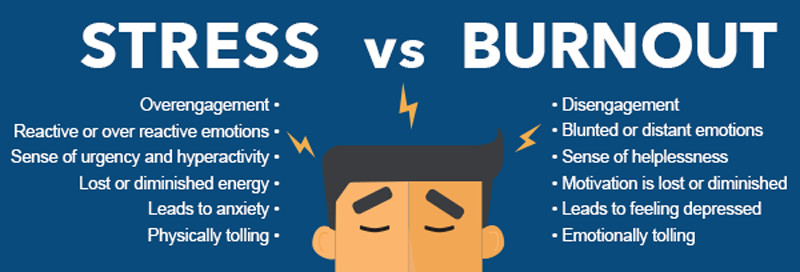
Stress is often temporary and can be resolved with rest. Burnout, however, is chronic and depleting. In recovery, this difference is critical.
| Stress | Burnout |
|---|---|
| Short-term pressure | Long-term emotional depletion |
| Motivation still present | Motivation feels gone |
| Coping feels possible | Coping feels pointless |
| Recovery skills still accessible | Recovery skills feel too heavy |
Burnout removes the emotional energy required to use recovery tools—even when the tools are known.
Image caption: Burnout is not just stress—it is a state of emotional depletion that weakens recovery defenses.
Warning Signs of Burnout-Driven Relapse Risk
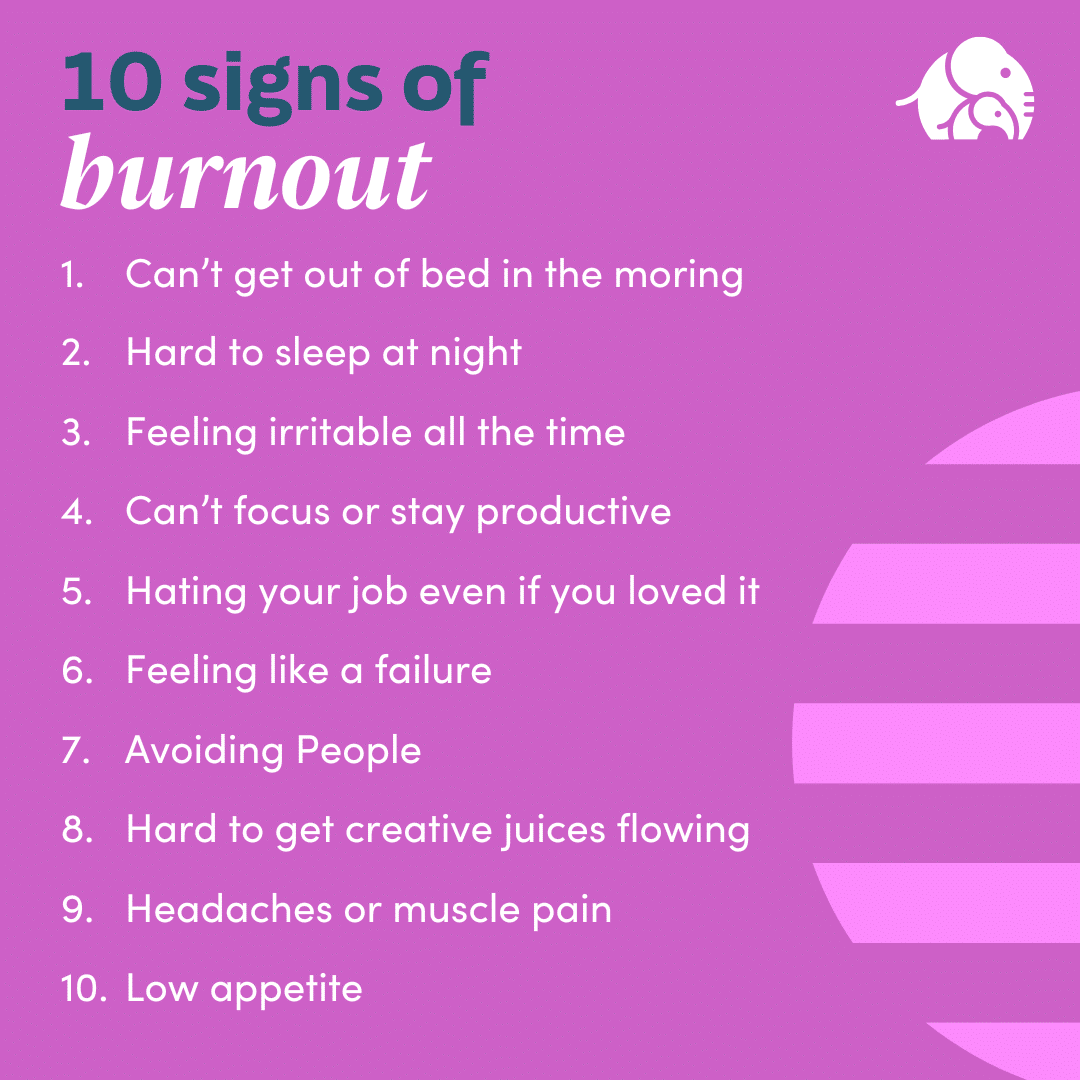

Recognizing burnout early can prevent relapse. Warning signs often show up emotionally before behaviors change.
Key red flags include:
-
Increased irritability or emotional flatness
-
Skipping recovery meetings or self-care routines
-
Thinking “I don’t care anymore”
-
Fantasizing about substances as relief, not pleasure
-
Feeling trapped, hopeless, or chronically drained
These signs are not failures—they are signals that support and rest are urgently needed.
Image caption: Emotional numbness and irritability are early warning signs of burnout-related relapse risk.
How to Reduce Burnout and Protect Recovery
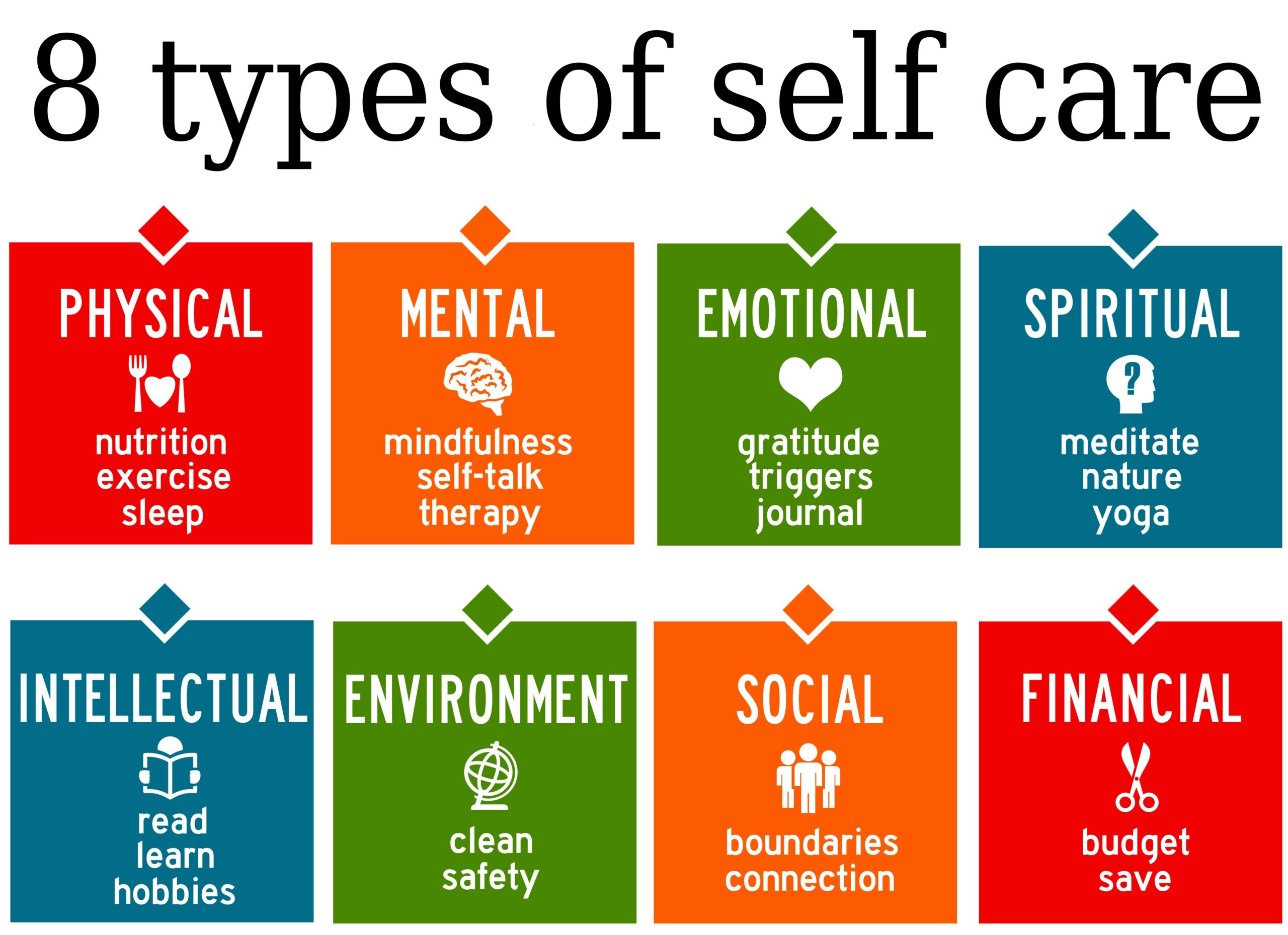

Preventing relapse during burnout requires rest, adjustment, and compassion, not more pressure.
Helpful strategies include:
-
Reducing commitments instead of “pushing through”
-
Prioritizing sleep and nervous system regulation
-
Talking openly about exhaustion with sponsors or therapists
-
Reframing rest as a recovery skill, not a weakness
-
Adding joy-based activities that rebuild dopamine naturally
Recovery is not about endurance—it is about sustainability.
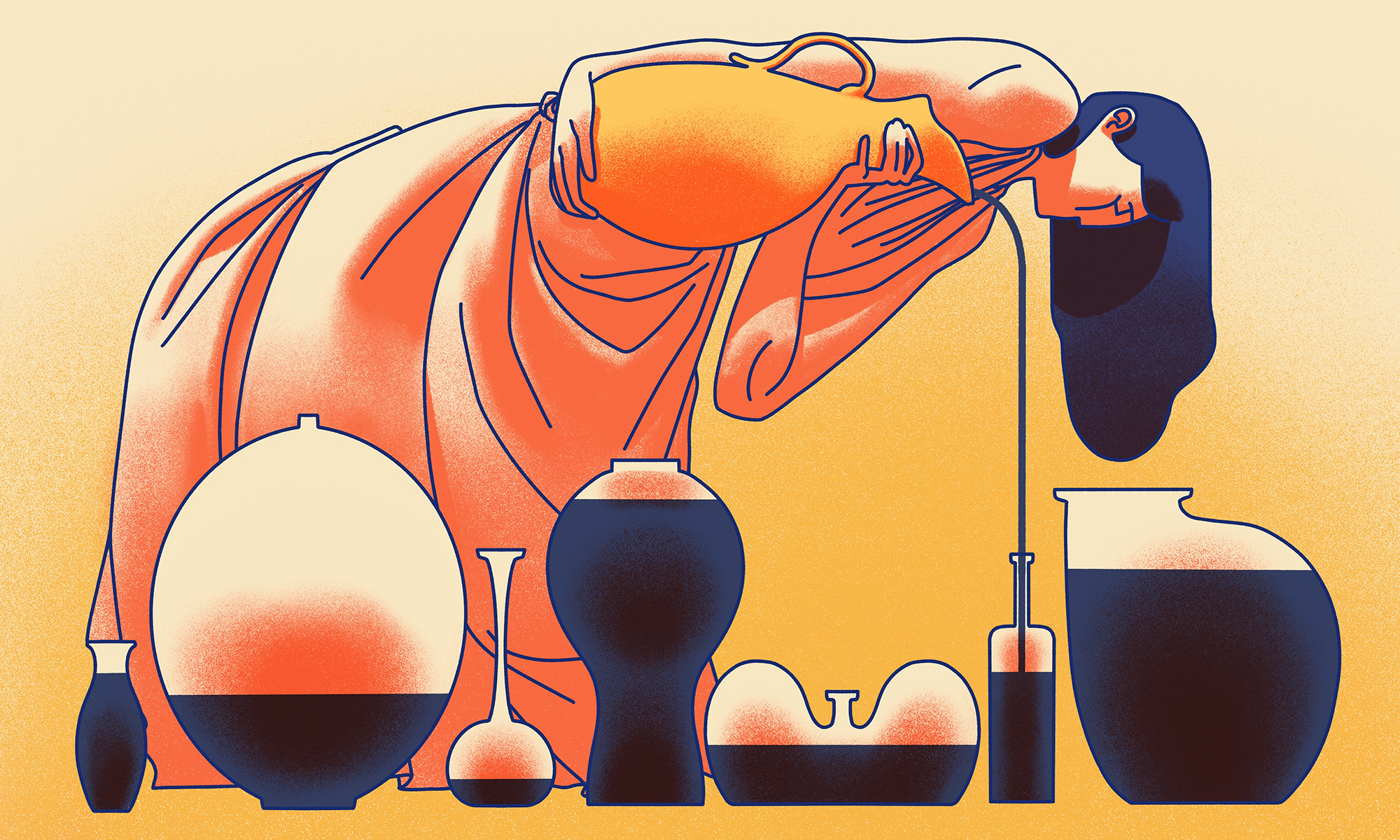
Image caption: Rest and emotional support are essential tools for protecting recovery during burnout.
Conclusion
Burnout does not mean someone is weak, unmotivated, or failing at recovery. It means the nervous system has been overloaded for too long. When burnout goes unaddressed, relapse can feel sudden—but it is actually the brain’s desperate attempt to survive ongoing stress.
By recognizing burnout early, honoring rest, and seeking support, recovery can remain strong—even during life’s most demanding seasons.