


Introduction
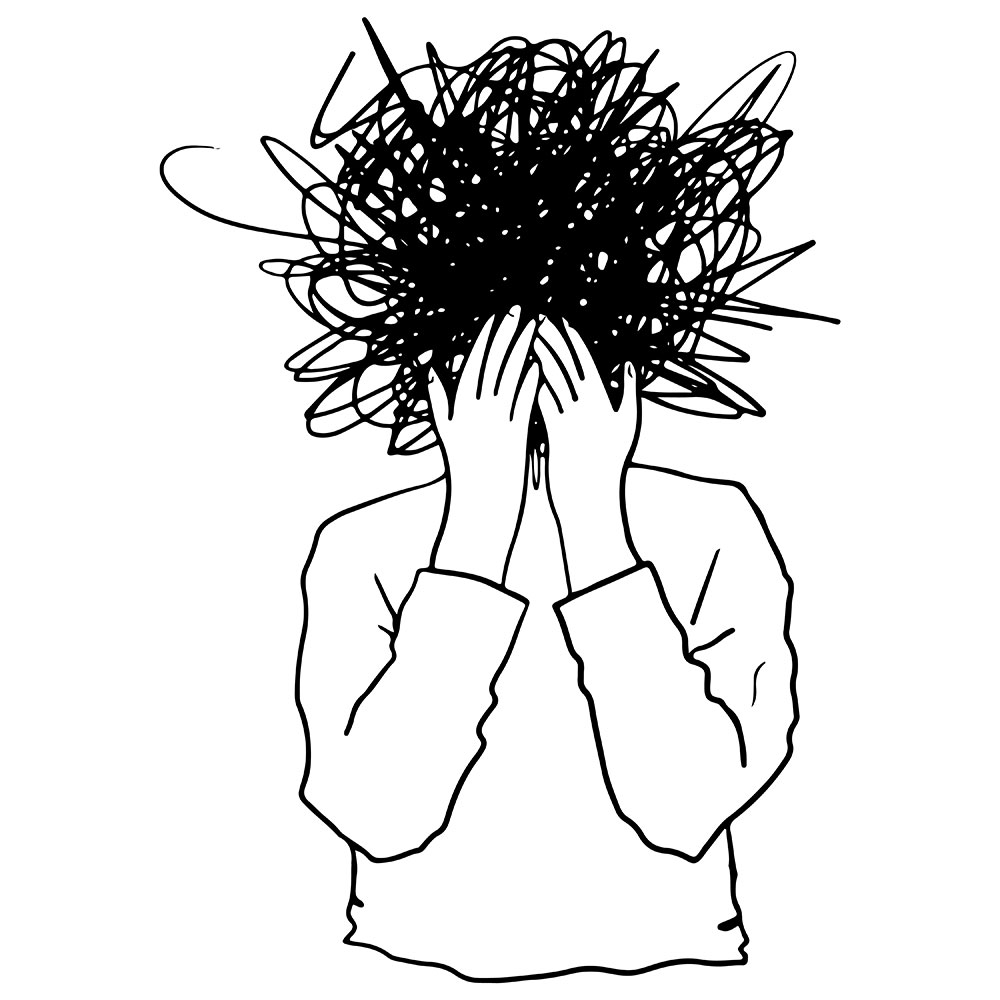
Panic attacks are sudden, intense waves of fear that can feel overwhelming and uncontrollable. For many people, these episodes don’t end when the panic subsides — they leave behind powerful cravings for substances like alcohol, nicotine, or drugs. But why does this happen? The connection between panic attacks and cravings is deeply rooted in brain chemistry, emotional regulation, and learned coping behaviors. Understanding this link is a critical step toward breaking the cycle.
What Happens During a Panic Attack?


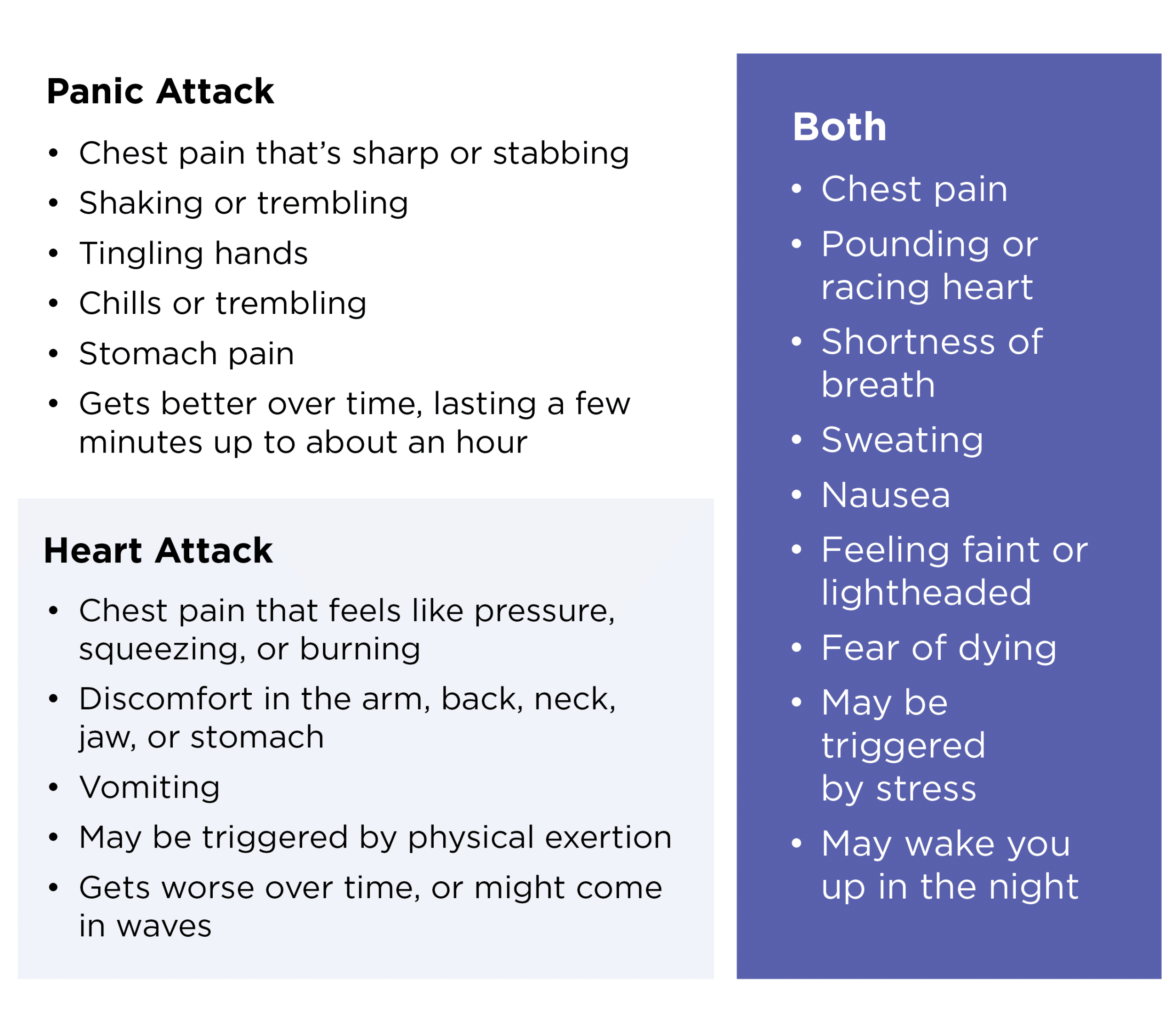
A panic attack triggers the body’s fight-or-flight response. The brain’s amygdala detects danger — even when no real threat exists — and floods the body with stress hormones like adrenaline and cortisol.
Common physical sensations include:
-
Racing heart and shortness of breath
-
Dizziness or nausea
-
Chest tightness and trembling
-
A feeling of losing control or impending doom
These sensations are extremely distressing, pushing the brain to urgently search for relief.
Why Panic Attacks Create Intense Cravings


When panic hits, the brain wants one thing: to make the discomfort stop. Substances that previously reduced anxiety — even temporarily — become strongly associated with relief.
Here’s what happens:
-
Stress hormones spike, creating emotional pain
-
The brain remembers substances that once soothed that pain
-
Dopamine pathways activate, generating cravings
-
The urge feels urgent and non-negotiable
This is why cravings during panic can feel sudden, powerful, and almost automatic.
The Role of Conditioning and Memory

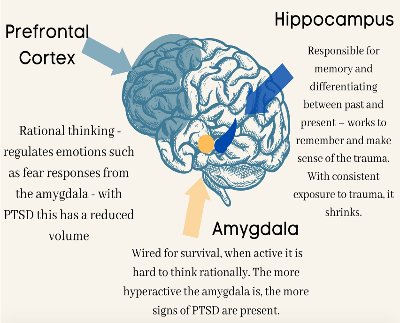
Over time, the brain learns a dangerous shortcut. If alcohol, nicotine, or drugs were used during past panic episodes, the brain links panic relief with substance use.
This creates a conditioned response:
-
Panic begins
-
Brain predicts relief from substance
-
Craving appears instantly
Even long after quitting, panic attacks can re-activate these deeply stored memory pathways.
Why Anxiety Disorders Increase Addiction Risk

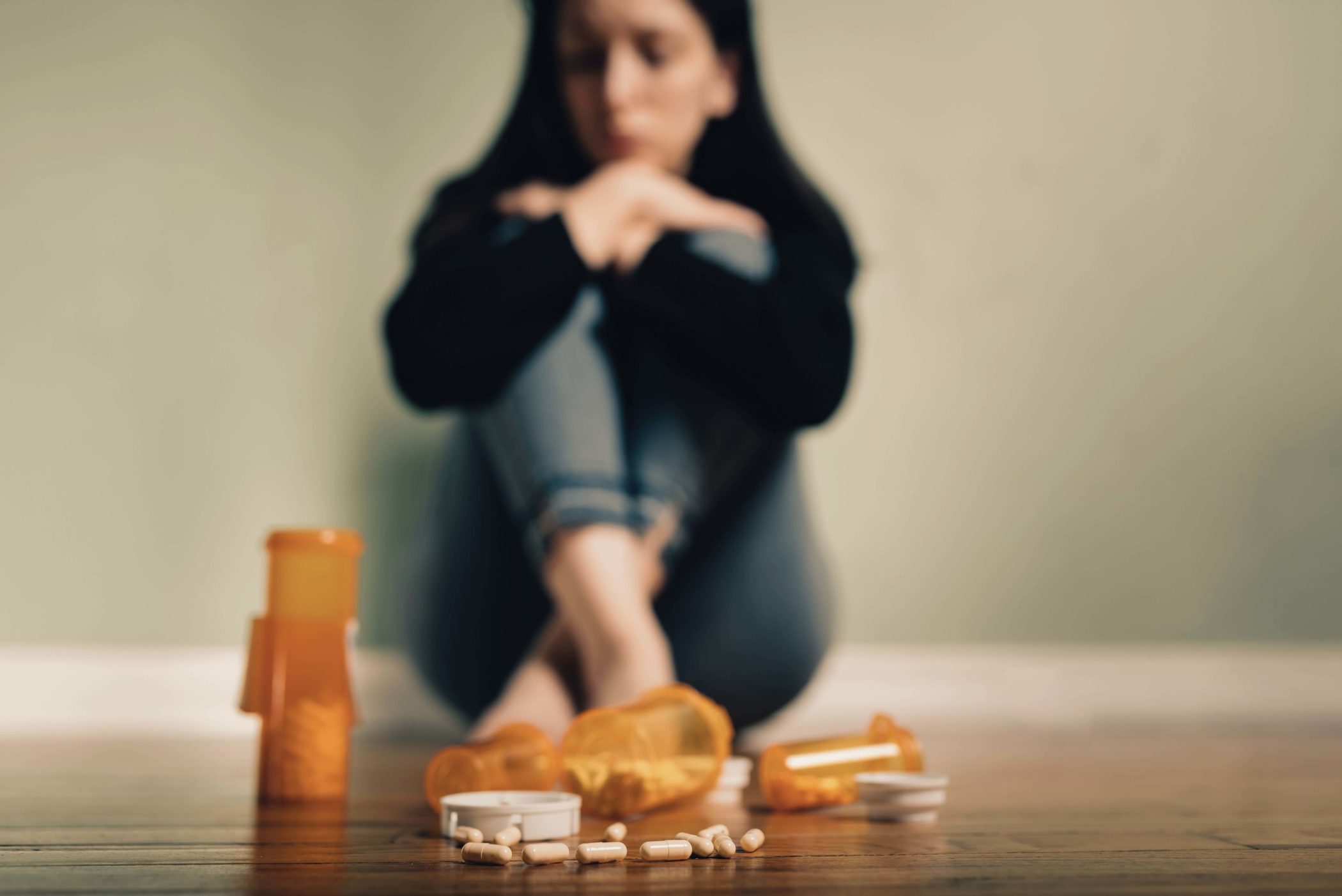
People with panic disorder or chronic anxiety are especially vulnerable due to:
-
Frequent exposure to intense distress
-
Difficulty tolerating uncomfortable body sensations
-
Higher baseline stress levels
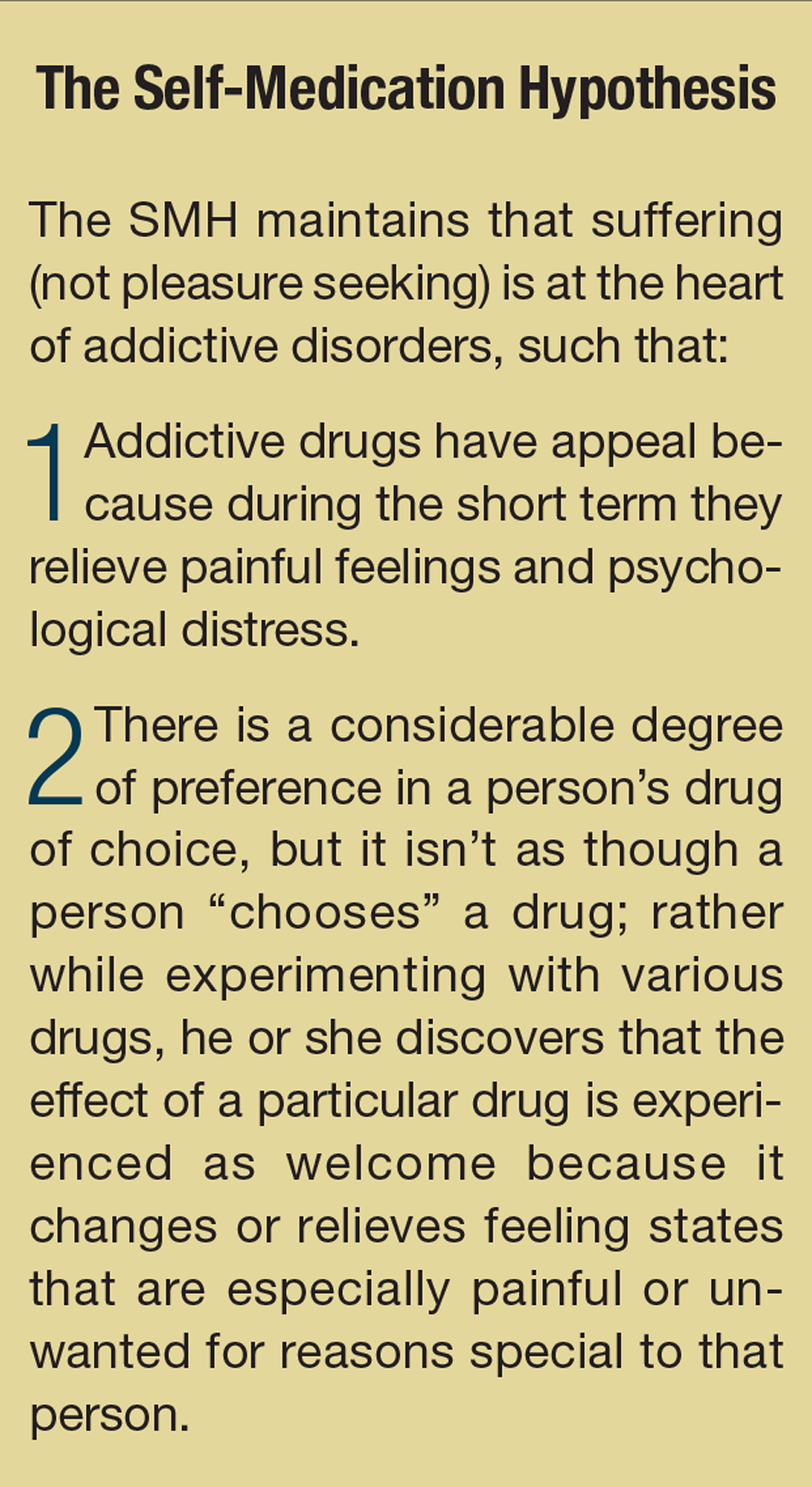
Substances become a form of self-medication, offering fast — but temporary — relief. Unfortunately, repeated use strengthens addiction while worsening anxiety in the long run.
The Vicious Cycle: Panic → Craving → Use → More Panic
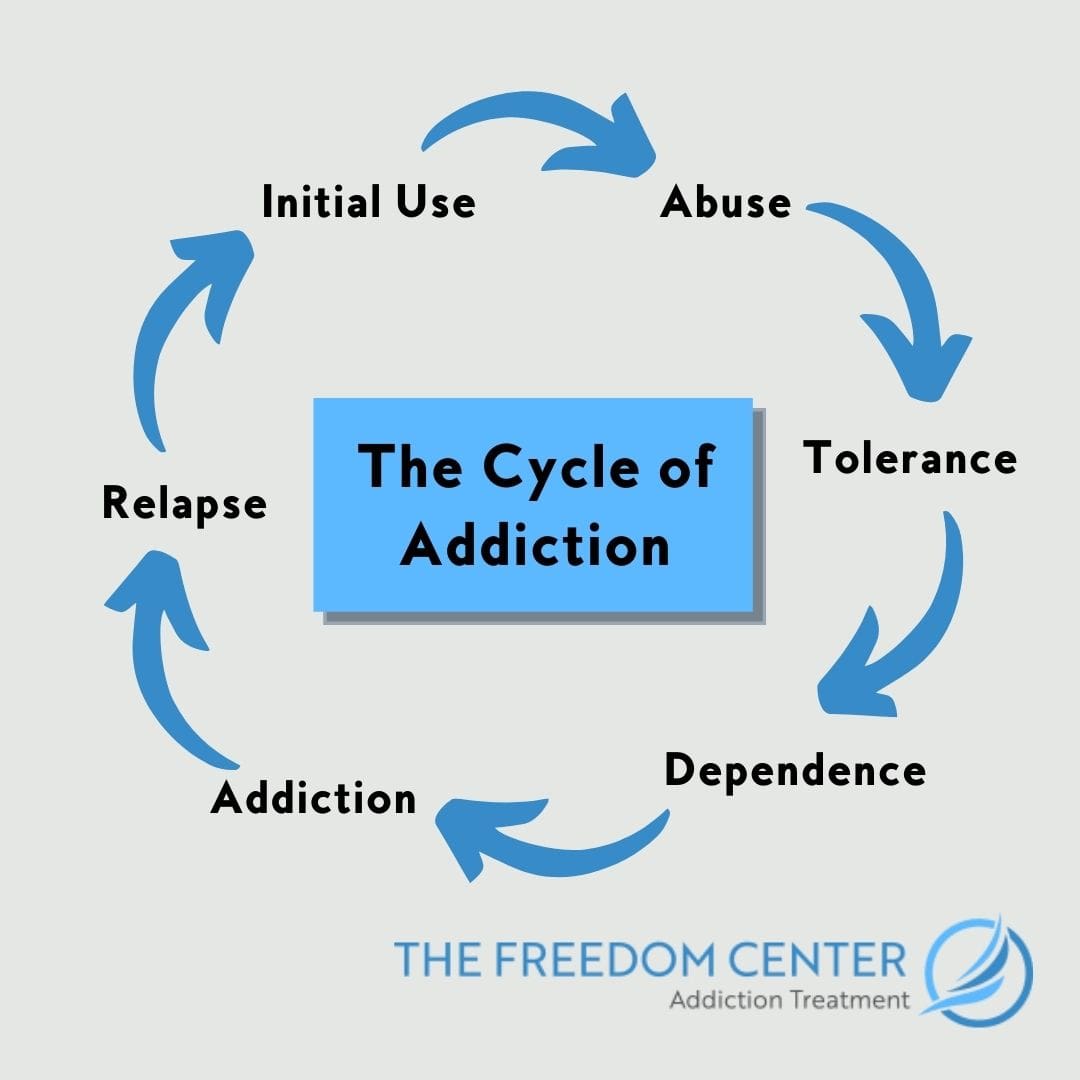

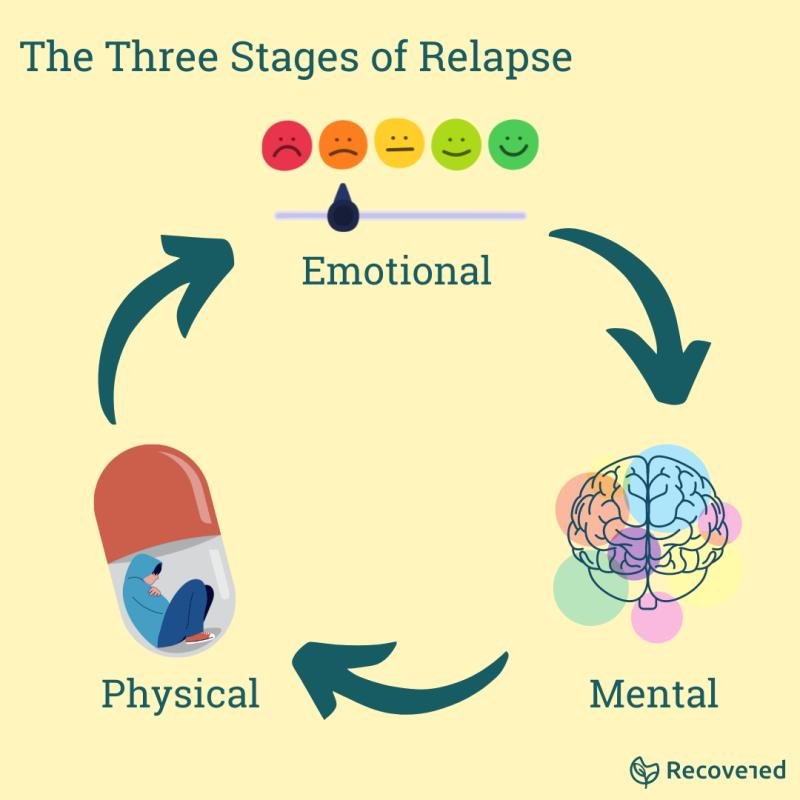
This cycle traps many people:
-
Panic attack strikes
-
Craving emerges
-
Substance is used
-
Temporary relief occurs
-
Anxiety rebounds stronger than before
Substances may calm panic briefly, but they disrupt brain chemistry, increase rebound anxiety, and make future panic attacks more likely.
Breaking the Link Between Panic and Cravings


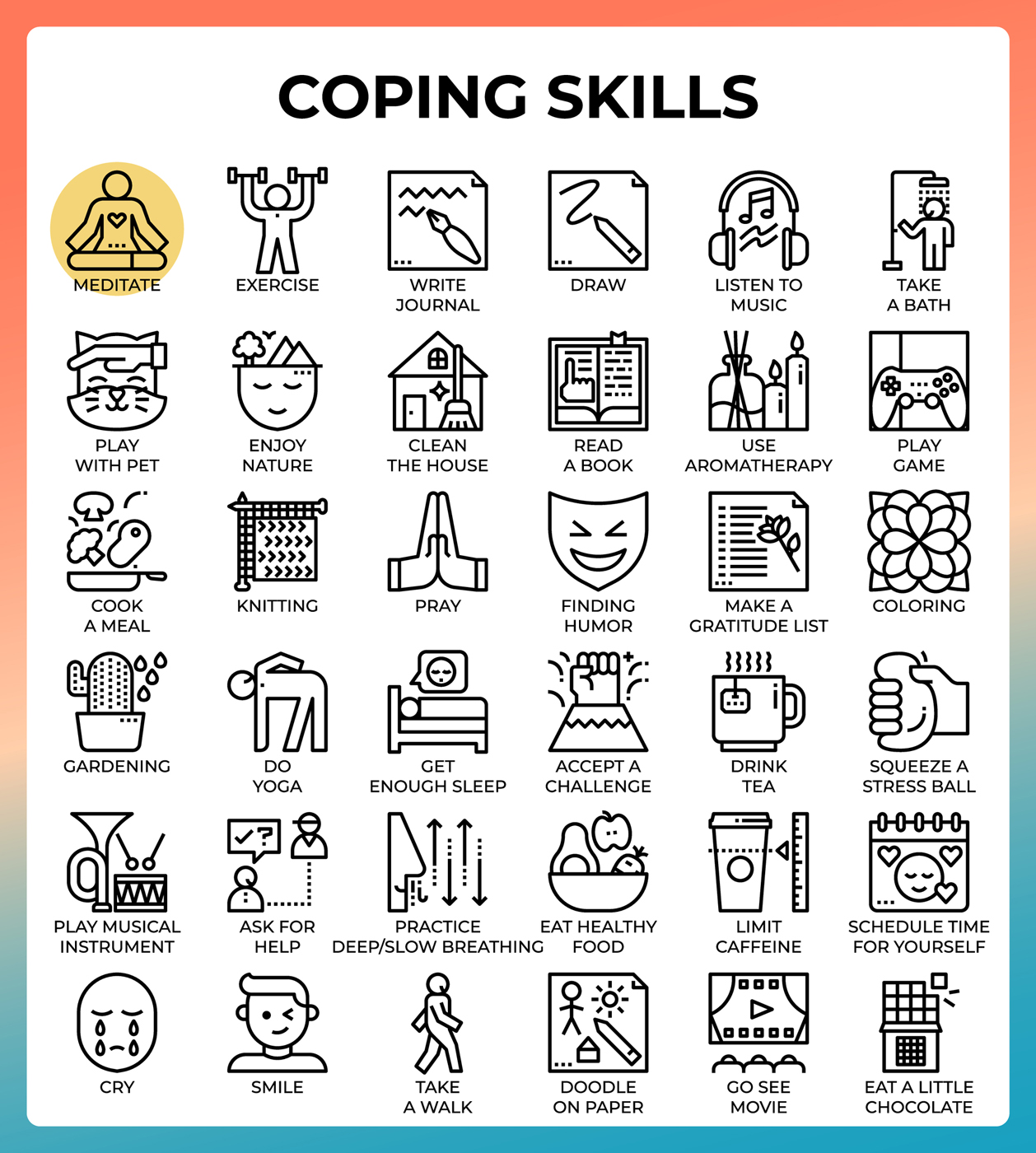
Recovery focuses on teaching the brain new responses to panic:
-
Slow breathing to calm the nervous system
-
Grounding techniques to reduce fear of sensations
-
Cognitive behavioral therapy (CBT) to retrain threat perception
-
Mindfulness to observe panic without reacting
As panic becomes less frightening, cravings lose their power.
Final Thoughts


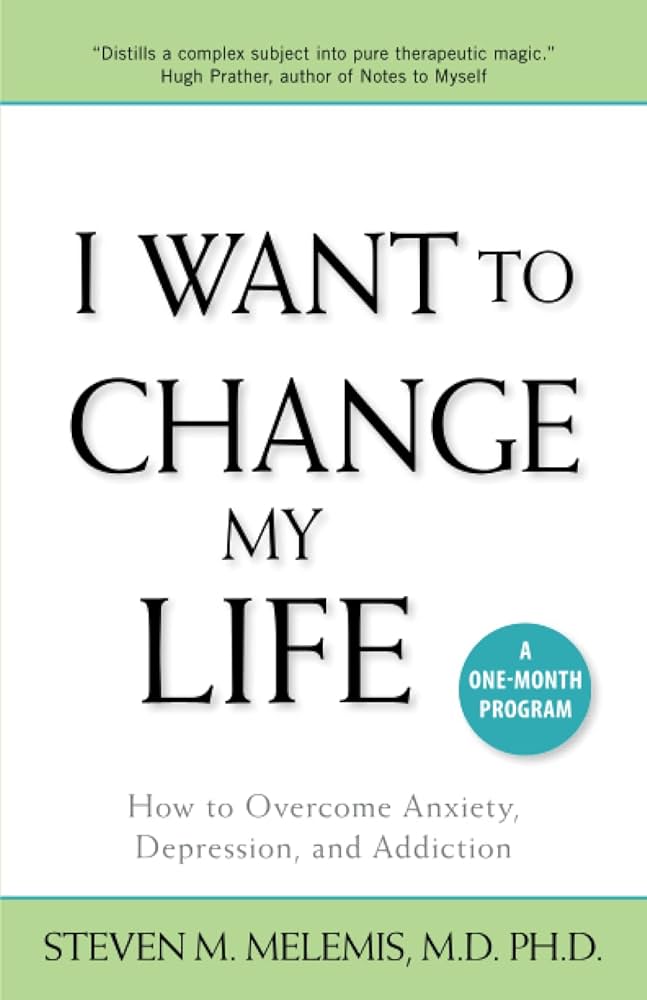
Panic attacks don’t cause addiction — but they can ignite cravings through fear, memory, and survival instincts. Understanding this connection removes shame and replaces it with clarity. With the right tools, it’s possible to break free from panic-driven cravings and reclaim control over both anxiety and addiction.