

Introduction
Loneliness is more than just being alone. It is the painful feeling of being unseen, unheard, and disconnected from others. In recent years, researchers and mental-health professionals have begun asking an important question: Is loneliness the number one driver of addiction?
While addiction is complex and influenced by many factors—biology, trauma, environment, and mental health—loneliness consistently appears as a powerful and often overlooked force behind substance use and compulsive behaviors.
Why Loneliness Hurts So Deeply
Humans are wired for connection. Our brains evolved to survive through relationships, cooperation, and belonging. When meaningful connection is missing, the brain reacts as if it’s under threat.
Loneliness can trigger:
-
Chronic stress and anxiety
-
Feelings of emptiness or worthlessness
-
Emotional pain similar to physical pain
-
Increased cortisol (stress hormone) levels
Over time, this emotional discomfort pushes people to look for relief, and substances or addictive behaviors can feel like an immediate solution.
How Loneliness Fuels Addiction


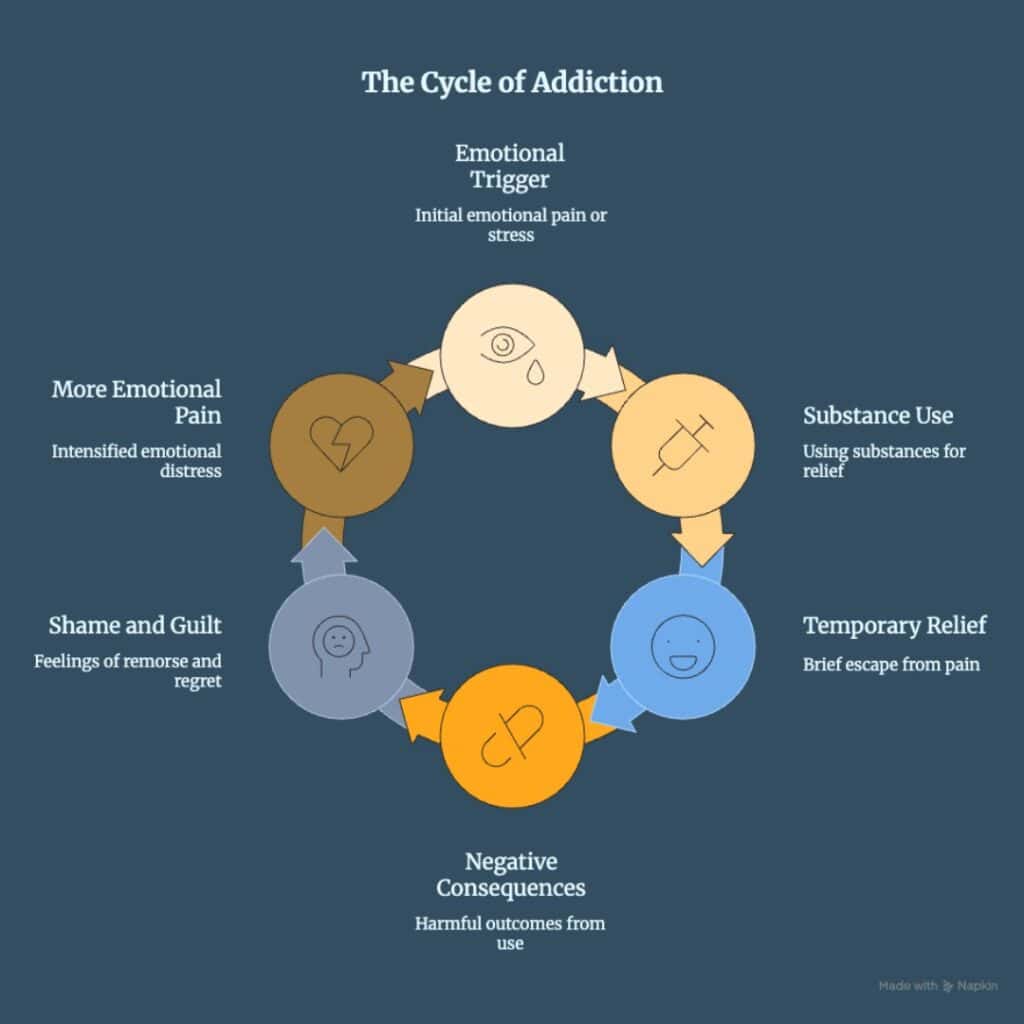
Addiction often begins not with pleasure, but with pain management.
Here’s how loneliness feeds the cycle:
-
Emotional Void – A lack of connection creates emotional numbness or deep sadness.
-
Temporary Escape – Drugs, alcohol, or behaviors offer short-term relief or comfort.
-
False Connection – Substances can mimic feelings of warmth, confidence, or belonging.
-
Shame and Isolation – Addiction increases secrecy and shame, deepening loneliness.
-
Repetition – The cycle continues, stronger each time.
In this way, loneliness doesn’t just contribute to addiction—it maintains it.
Is Loneliness More Powerful Than Trauma or Genetics?
Trauma and genetics play undeniable roles in addiction risk. However, loneliness often acts as the bridge between these vulnerabilities and active addiction.
-
Trauma isolates people emotionally
-
Genetics influence sensitivity to substances
-
Loneliness removes protective social bonds
Without connection, even strong coping skills can erode. Many people relapse not because they want to use—but because they feel alone with their pain.
The Opposite of Addiction Isn’t Sobriety—It’s Connection



One of the most powerful insights in recovery science is this: connection heals what substances cannot.
Connection provides:
-
Emotional safety
-
Accountability without judgment
-
Shared understanding
-
Hope through belonging
This is why group therapy, peer support, and community-based recovery programs are so effective. They don’t just remove substances—they replace loneliness.
Healing Loneliness in Recovery
Recovery isn’t only about stopping use; it’s about rebuilding connection.
Healthy steps include:
-
Reaching out before cravings peak
-
Journaling to name emotional isolation
-
Joining support groups or communities
-
Practicing vulnerability with safe people
-
Reconnecting with purpose and meaning
Loneliness fades not when life becomes perfect, but when people feel seen and valued.
Final Thoughts
So, is loneliness the number one driver of addiction?
For many people, the answer is yes.
Addiction often grows in silence, isolation, and emotional disconnection. Healing begins when loneliness is addressed—not judged, not ignored, but understood.
Because at its core, addiction is not just about substances.
It’s about the human need to belong.