

Introduction
Cravings can feel sudden, overwhelming, and impossible to control. For many people in recovery—or anyone trying to break a habit—the urge can hijack attention, emotions, and behavior within seconds. But there’s a surprisingly simple technique that helps interrupt this process: “Name It to Tame It.”
This method is not about fighting cravings or suppressing them. Instead, it teaches you to recognize and label what’s happening in your mind and body—reducing the craving’s power almost instantly.
What Does “Name It to Tame It” Mean?
“Name It to Tame It” refers to the act of putting words to your internal experience—your thoughts, emotions, and physical sensations—when a craving appears.
For example, instead of thinking:
“I need this right now.”
You say:
“This is a craving.”
“I’m feeling anxious and restless.”
“My chest feels tight, and my thoughts are racing.”
By naming the experience, you create mental distance between you and the urge.
Why Naming a Craving Reduces Its Power
Cravings thrive on vagueness and intensity. When everything feels blurred and urgent, the brain defaults to habit.
Naming does three powerful things:
-
Activates the rational brain
Labeling emotions engages the prefrontal cortex—the part responsible for self-control and decision-making. -
Decreases emotional intensity
Research shows that simply labeling feelings can reduce activity in the brain’s threat and stress centers. -
Turns the craving into an object, not a command
Instead of being the craving, you are observing it.
How to Practice “Name It to Tame It” (Step by Step)

Step 1: Pause for 10 seconds
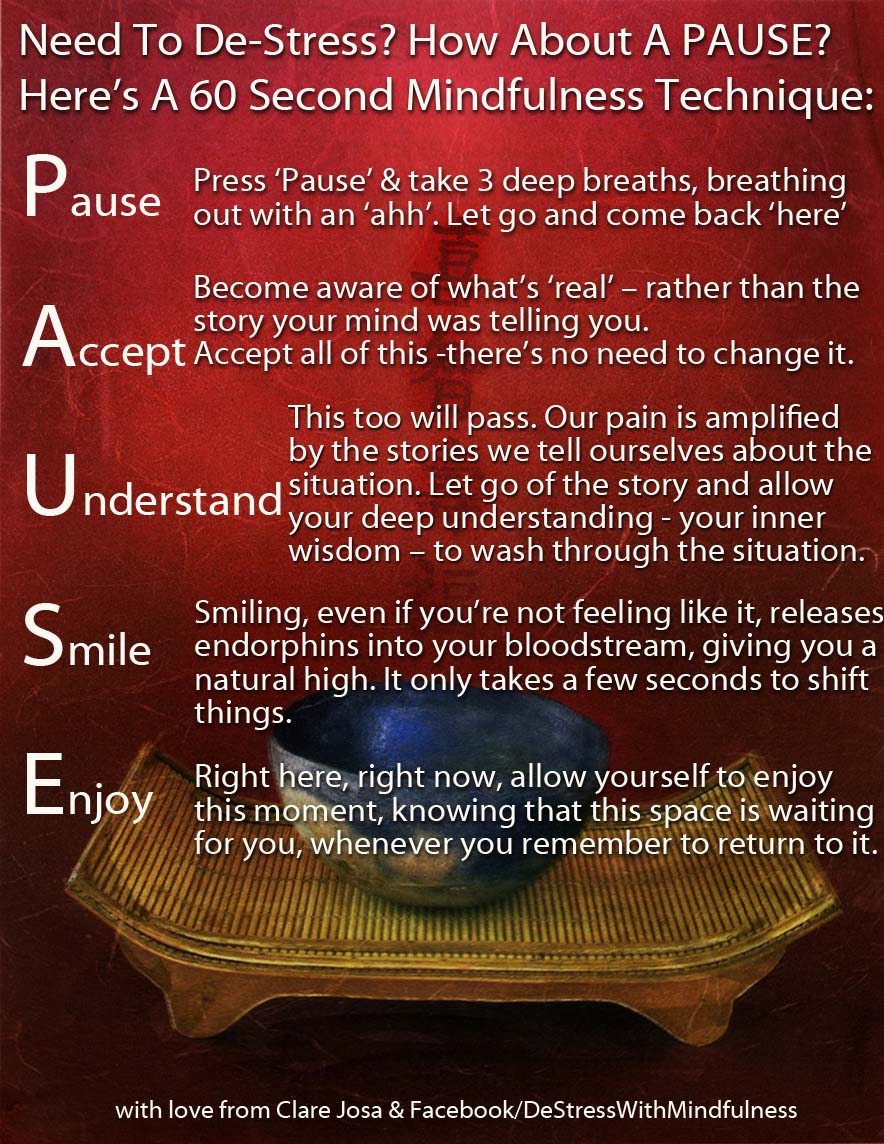
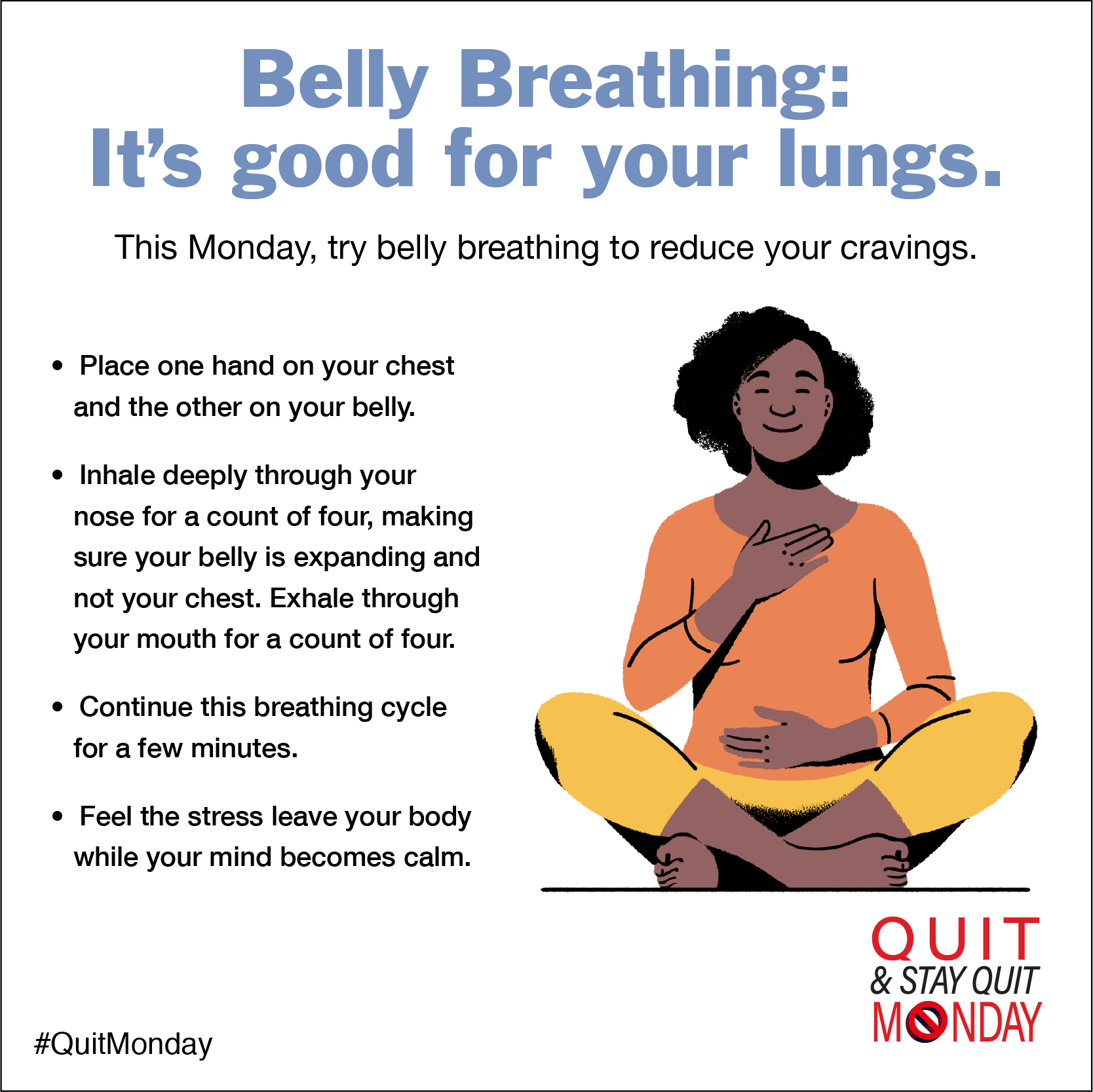
The moment you notice an urge, stop. No judgment. No reaction.
Step 2: Name what’s happening
Silently or out loud, label it clearly:
-
“This is a craving.”
-
“This is anxiety.”
-
“This is boredom.”
-
“This is emotional discomfort.”
Step 3: Name the body sensations
Be specific:
-
Tight chest
-
Restless hands
-
Shallow breathing
-
Racing thoughts
Step 4: Remind yourself of the truth
Say:
“This feeling will rise and fall.”
“I don’t have to act on this.”
“This is temporary.”
This entire process can take less than 30 seconds.
Why This Works Especially Well in Recovery
During addiction or habitual behavior, the brain learns to react automatically. “Name It to Tame It” interrupts that loop by:
-
Slowing impulsive reactions
-
Increasing emotional awareness
-
Replacing shame with curiosity
-
Restoring a sense of control
Over time, cravings feel less threatening and less personal.
Common Mistakes to Avoid
-
❌ Arguing with the craving (“I shouldn’t feel this.”)
-
❌ Judging yourself (“I’m weak.”)
-
❌ Trying to make it disappear instantly
The goal is not to eliminate the craving, but to change your relationship with it.
A Simple Example
“I’m noticing a craving.
It feels like pressure in my chest.
It’s connected to stress and fatigue.
I can sit with this for a moment.”
Often, once named, the craving loses urgency—like a wave that crests and fades.