
Introduction
Sleep disturbances are one of the most common—and most frustrating—challenges during detox. Insomnia, vivid dreams, night sweats, and frequent awakenings can leave people feeling exhausted just when their bodies need rest the most.
The good news? While sleep may feel broken at first, it can improve naturally with the right strategies. Understanding what truly works during detox can help you rest better, heal faster, and reduce relapse risk.
Why Sleep Is So Difficult During Detox


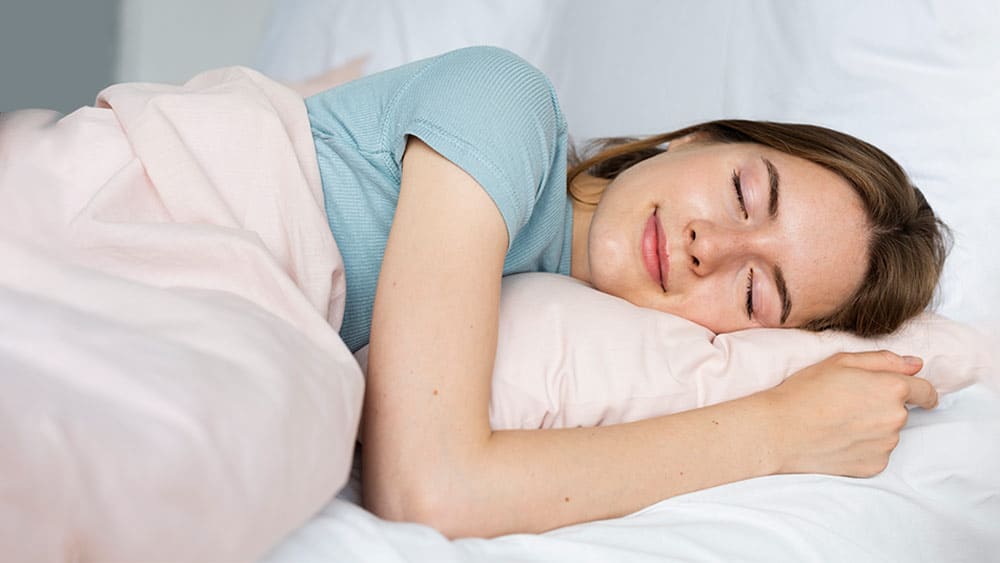
Caption: During detox, the brain and nervous system are relearning how to regulate sleep naturally.
When substances are removed, the body enters a recalibration phase. Several factors disrupt sleep:
-
Neurochemical imbalance: Dopamine, GABA, and serotonin levels are unstable
-
Heightened stress response: Cortisol remains elevated at night
-
Overactive nervous system: The brain struggles to switch into rest mode
-
Withdrawal symptoms: Anxiety, restlessness, and temperature changes interfere with sleep cycles
This phase is uncomfortable—but temporary.
What Actually Helps You Sleep Better During Detox
1. Consistent Sleep-Wake Times (Even Without Sleep)

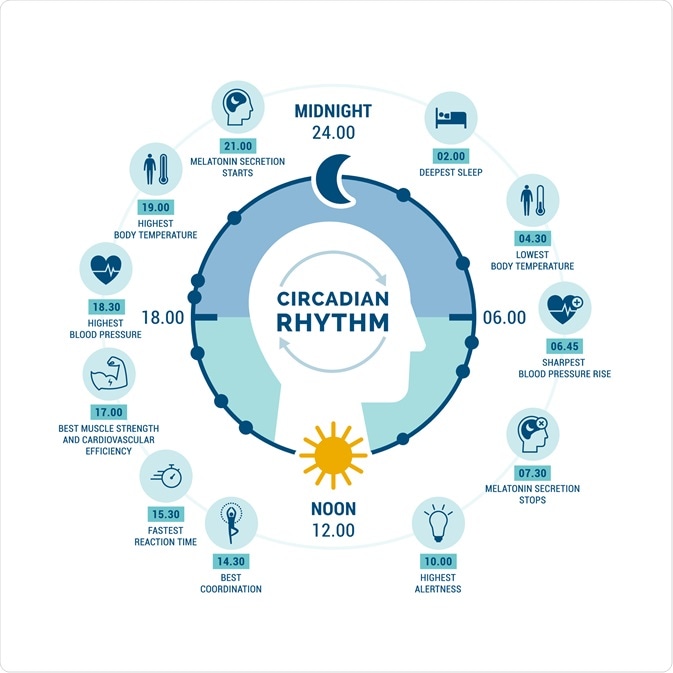
Caption: Regular sleep timing trains the brain to reset its internal clock.
Going to bed and waking up at the same time—even after a rough night—helps restore circadian rhythm. Oversleeping or daytime naps may worsen nighttime insomnia.
2. Daytime Light Exposure and Gentle Movement


Caption: Natural light and movement signal safety and wakefulness to the brain.
-
Get morning sunlight within the first hour of waking
-
Engage in light exercise like walking or stretching
-
Avoid intense workouts late in the evening
These cues help the brain distinguish day from night again.
3. Calm the Nervous System Before Bed



Caption: Sleep improves when the body feels safe—not forced.
Helpful techniques include:
-
Slow breathing (4–6 breaths per minute)
-
Body scan meditation
-
Progressive muscle relaxation
Trying to force sleep often backfires; calming the system works better.
4. Reduce Evening Stimulation
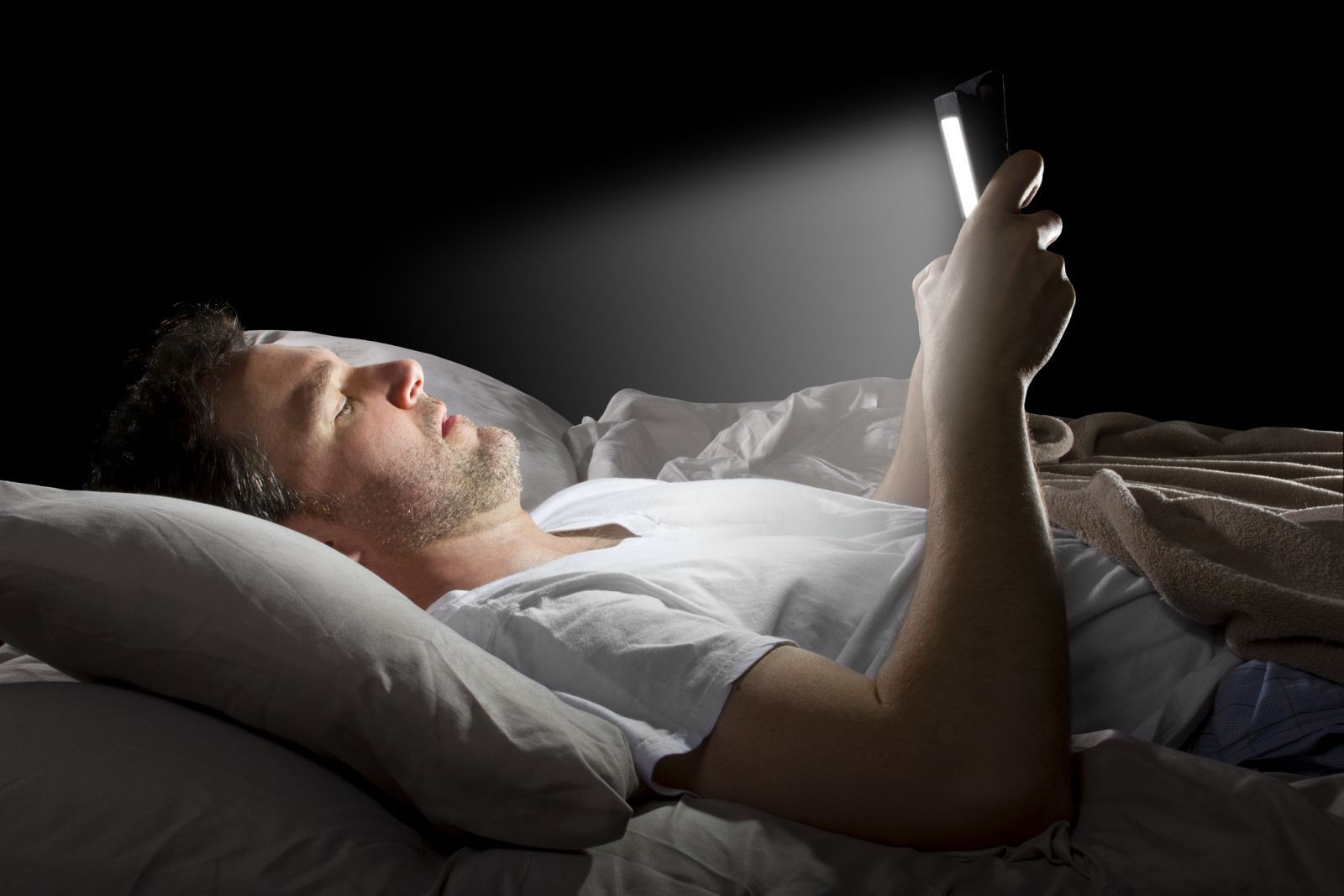

Caption: Artificial stimulation keeps the brain in alert mode.
In the evening:
-
Limit screens 60–90 minutes before bed
-
Avoid caffeine, nicotine, and heavy meals
-
Lower lights and noise levels
This signals the brain that nighttime is approaching.
5. Accept Imperfect Sleep (This Is Crucial)

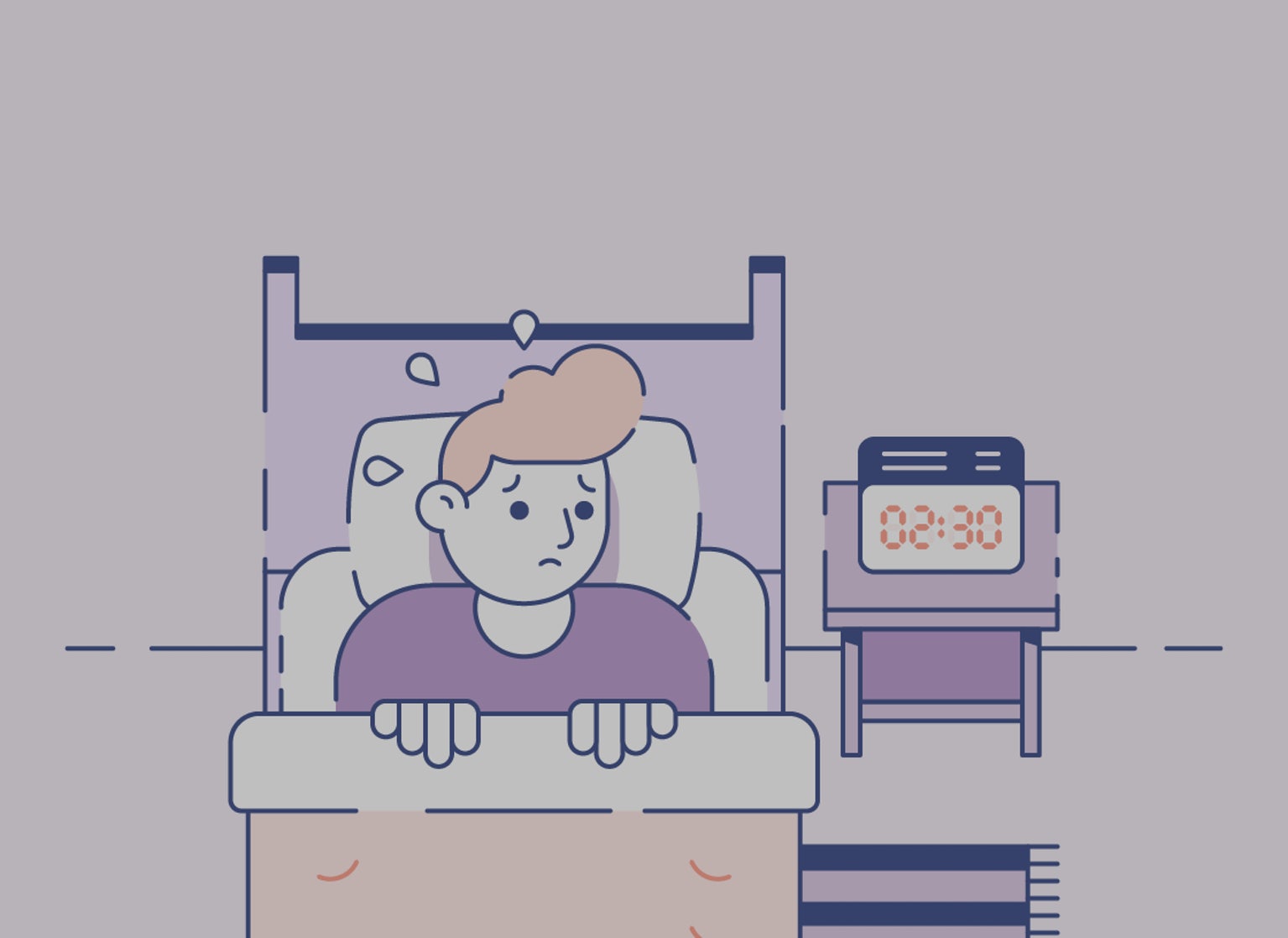
Caption: Letting go of sleep anxiety often improves sleep naturally.
Sleep anxiety itself becomes a major blocker. Remind yourself:
-
Rest still counts, even if you’re awake
-
The body heals even without perfect sleep
-
Sleep will improve gradually—not overnight
Paradoxically, acceptance often leads to deeper rest.
What Usually Doesn’t Work Long-Term


Caption: Short-term fixes can delay real sleep recovery.
-
Relying on alcohol or substances
-
Overusing sleep medications
-
Constantly changing bedtime routines
-
Obsessively tracking sleep
These approaches may mask symptoms without restoring natural sleep regulation.
How Long Does Sleep Take to Normalize?
For most people:
-
First 1–2 weeks: Fragmented sleep, frequent awakenings
-
Weeks 3–4: Longer sleep periods, fewer night disruptions
-
1–3 months: Gradual return of deeper, restorative sleep
Progress is rarely linear—but it does happen.
Final Thoughts
Sleeping better during detox isn’t about quick fixes—it’s about helping the brain feel safe enough to rest again. With consistency, patience, and nervous system support, sleep slowly rebuilds itself.
If you’re struggling right now, remember:
Poor sleep during detox is a sign of healing—not failure.
Your body knows how to rest again. It just needs time. 🌙