
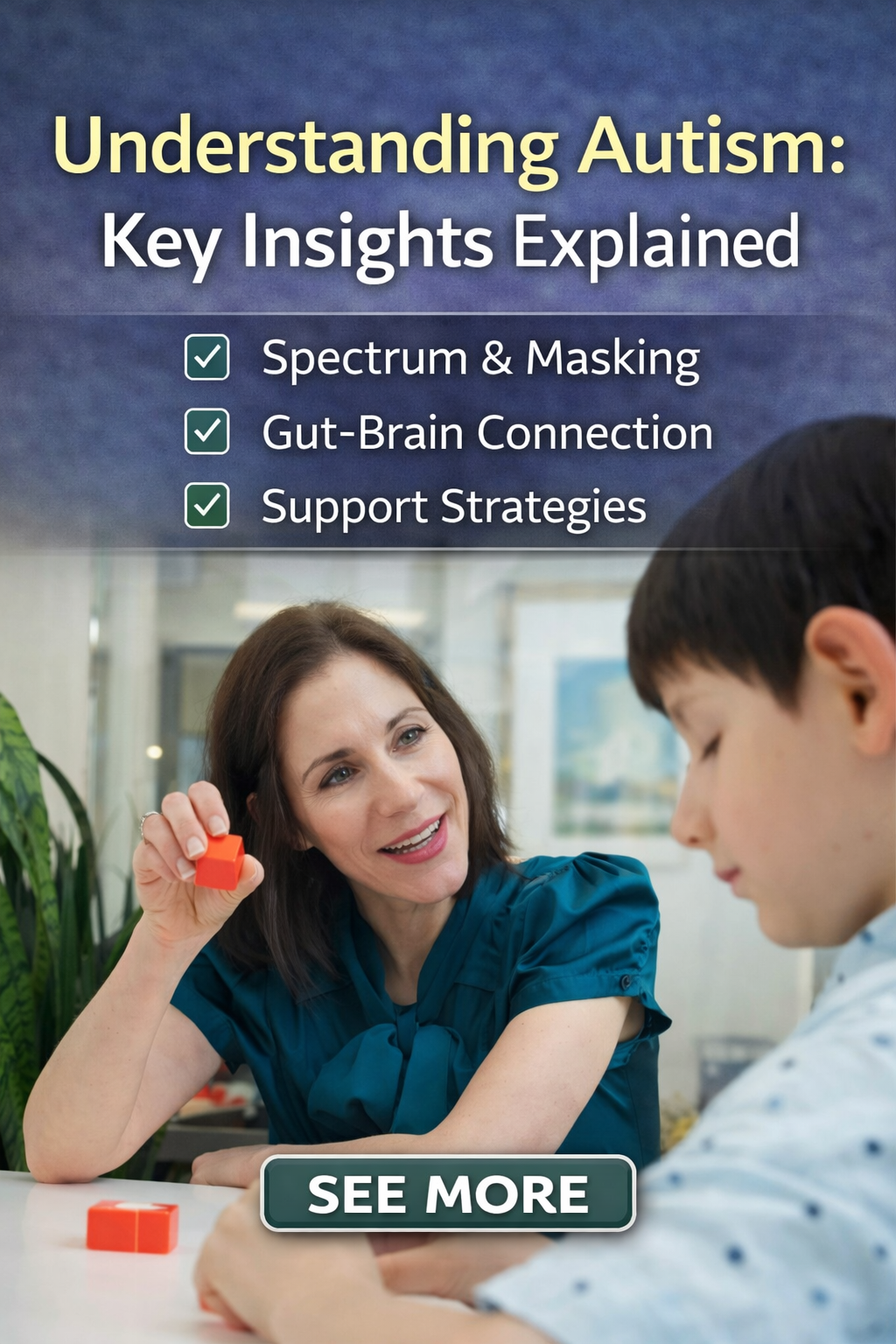
Ahead of World Autism Awareness Day on April 2, we speak with experts and researchers to understand the neurodivergent condition

In the second of a series on challenges facing Hong Kong’s growing autistic population, Anthea Rowan examines the complexities of the autism spectrum, from the latest gut-health research to the move from awareness towards acceptance.
The boy acquired signs faster than she did. One day, when his mother arrived, the boy signed: “I love you.”
“As I translated, her eyes welled up,” says Oswalt Visher, now director of psychological services at Spot Children’s Therapy Centre in Hong Kong. “She had worried she might not ever know if he loved her, and this was the first time she felt really connected.”
For Oswalt Visher, that moment was transformative.
“I was hooked. I knew this was what I wanted to do for the rest of my life.”
Understanding the spectrum
An autistic person may navigate social communication differently, experience heightened reactions to sensory input, or thrive through specific routines and deep interests.
The “spectrum” is often misunderstood as a straight line between “more” or “less” autistic. In reality, it describes a person’s unique strengths and challenges, which can fluctuate over time.
While autism is not a learning disability or a mental health condition, roughly a third of autistic people also have a learning disability and are more likely to experience mental health disorders, partly due to societal pressures.
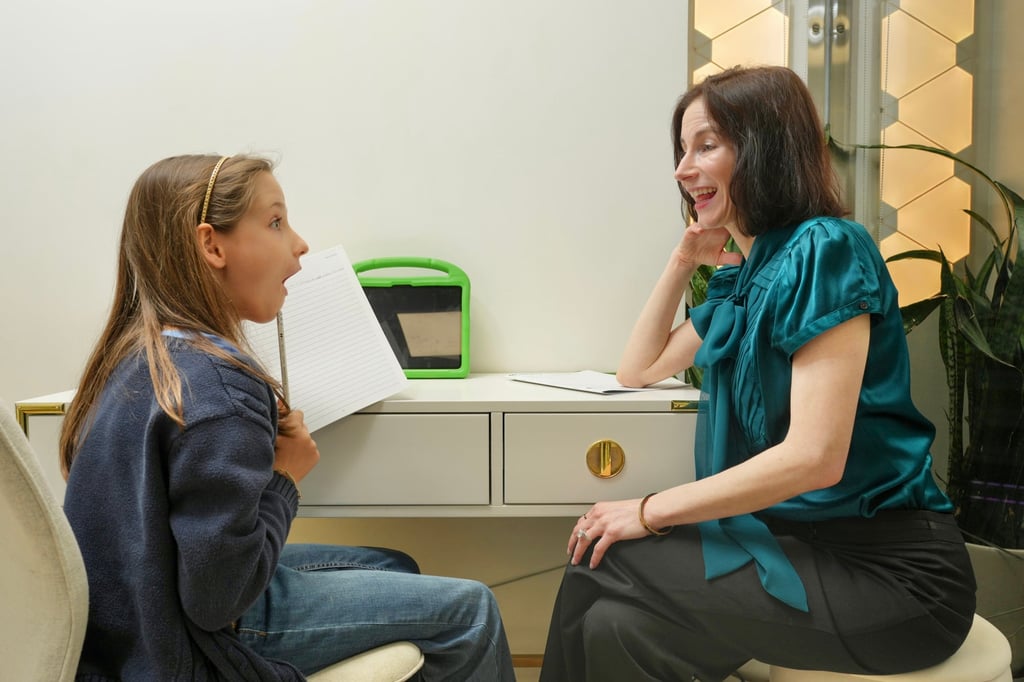
Globally, the World Health Organization estimated in 2021 that one in 127 people was autistic; more recent studies suggest the figure is closer to one in 100. In Hong Kong, prevalence estimates for school-aged children are often higher, suggesting one in 40.
“[This] does not mean there is a true biological excess in Hong Kong children,” Oswalt Visher says. “It more likely reflects Hong Kong’s very active systems for finding and diagnosing cases.”
The biological frontier: the gut-brain connection
While the exact causes of autism remain unknown, genetics play a prominent role. If one child in a family has ASD, the chance a sibling will also have it is one in five – a rate much higher than in the general population, Oswalt Visher says.
Certain prenatal factors, such as advanced parental age, maternal immune responses and low birthweight, are associated with increased risk, though she stresses these are associations, not direct causes.
Beyond genetics, groundbreaking research at the Chinese University of Hong Kong suggests the “second brain” – the gut – may play a pivotal role in autism.
Professor Siew Ng, director of the school’s Microbiota I-Centre (MagIC), has identified a significant depletion of beneficial microbes in autistic children’s digestive systems.
A study of more than 1,600 children found that while 50 species were depleted, only one was found in excess. This microbial imbalance suggests the gut’s internal “assembly line” is impaired.
“Most strikingly, we discovered that key metabolic pathways are compromised,” Ng explains. Specifically, the gut microbiomes of children with ASD show a reduced capacity to produce ubiquinol-7 – a powerful antioxidant – and thiamine diphosphate (vitamin B1), which is “essential for brain development and function”.
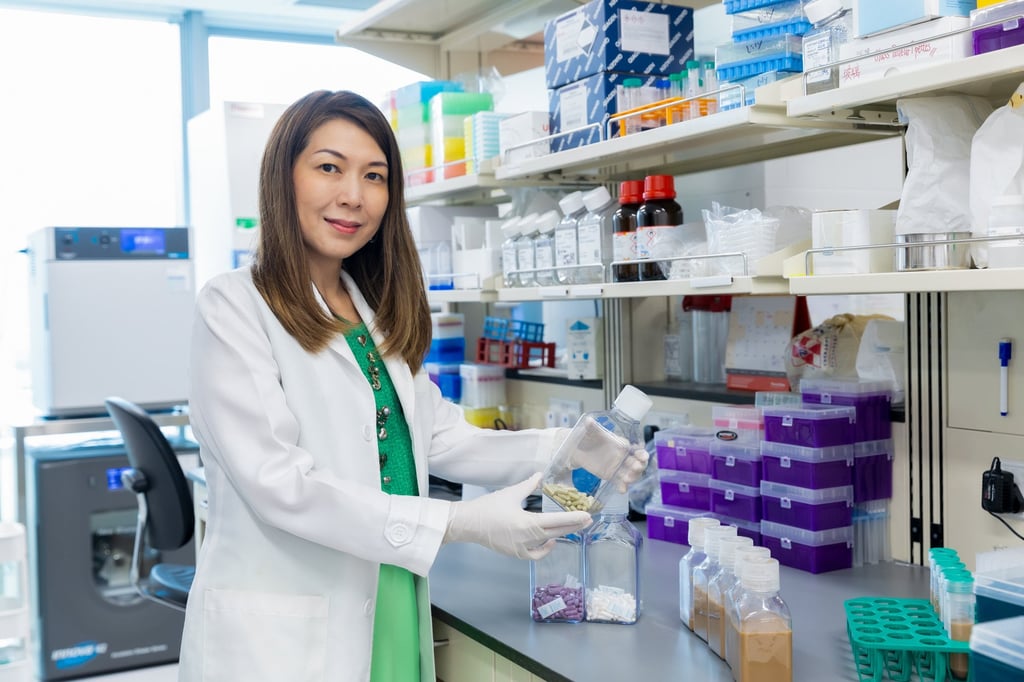
In short, the gut microbiome in autistic children appears underdeveloped compared with their peers. This may stem from early-life disruptions, such as antibiotic use or the mode of birth.
Regardless of the cause, Ng stresses that these measurable differences provide a “window into potential biological mechanisms” and offer a new, non-invasive way to diagnose the condition.
The ‘mask’ and the challenge of diagnosis
Despite improvements in screening, a diagnosis is rarely straightforward. Historically, clinical standards were developed by observing mostly males’ outward behaviours. This “outside-in” approach often overlooked girls and adolescents who did not fit the traditional profile.
Many individuals who are observed also engage in “masking” – a sophisticated form of social camouflage. To appear neurotypical, they may force eye contact, mimic their peers’ body language or mentally rehearse social scripts before speaking.
“I regularly see clients who are socially motivated, creative, empathetic and good at ‘performing’ social skills,” Oswalt Visher says. However, this constant performance is a heavy burden. Masking is “exhausting and is linked to anxiety, burnout and poorer mental health”, she explains, noting that the idea that only girls mask is a damaging stereotype.
As traditional assessments often fail to account for diverse presentations, specialists are moving away from mere observation. Instead, they focus on how a person actually feels and processes information – rather than just how they behave in a clinic – to get a more accurate picture.
Education and the ‘golden window’
Early assessment is vital to making a difference during the “golden window” of childhood development. In Hong Kong, Abbie Chan has worked with autistic children for almost 20 years. She is the principal of the non-profit AP School, which is supported by the charitable Autism Partnership Foundation in Hong Kong, part of the global Autism Partnership agency that provides treatment services for ASD.
At AP School, the curriculum is individualised to focus on specific strengths and weaknesses. For many students, practical life skills that focus on independent living are more urgent than traditional academics. The school provides a safe space for children “to help them understand the power of language, express what they need, [and] take initiative to interact with others”, Chan says.
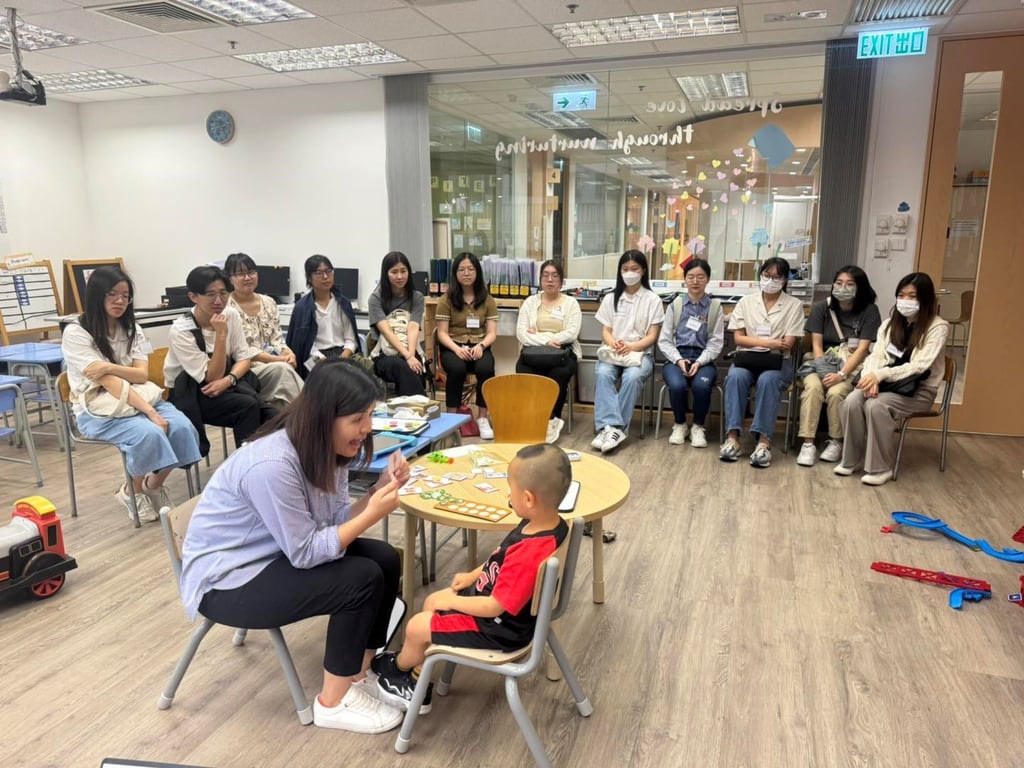
A key component of the curriculum involves emotional regulation, such as learning how to calm down when they feel anxious or angry.
“It isn’t about isolating these children from society,” Chan says. “It’s about equipping them.”
Autism is not an inability to learn, she stresses. “It simply means that if a child cannot learn the way we teach, then we have to change the way we teach them.”
Moving from awareness to acceptance
Despite rising awareness, significant hurdles remain.
“Even then, it took us 15 years to come to terms with it because of stigma and access issues,” Green says, noting that these delays happened despite his family having relative advantages. Today, they choose to celebrate what they call “beautiful weirdness”, instilling a sense of pride in being different.
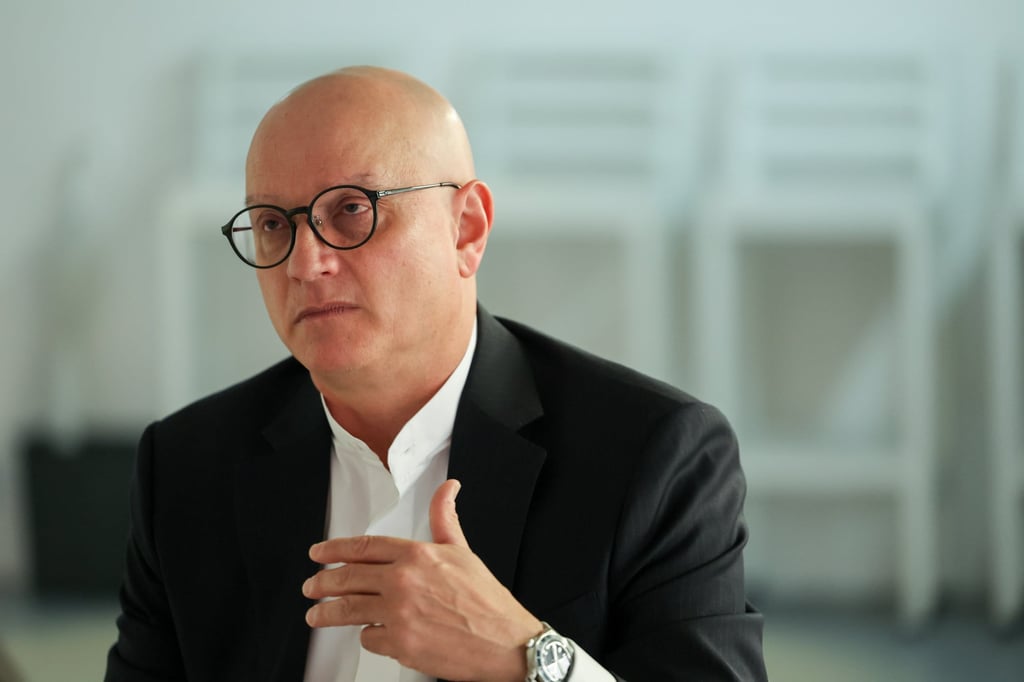
The HKAI is collaborating with Unesco, the UN’s heritage body, to promote World Autism Awareness Day, but the goal is moving beyond mere awareness.
Chan believes Hong Kong is in a transitional phase. Socioeconomic barriers still prevent many children from receiving early intervention, she notes – monthly tuition at her school is HK$29,400 (US$3,750). The city needs to move towards “true inclusion and support across a person’s entire lifespan”.
The focus is shifting toward recognising “superpowers”. Oswalt Visher avoids the word “disorder” where possible, preferring language that highlights difference rather than deficit. By focusing on how autistic individuals think differently and “what makes them wonderful”, we create a society that accommodates difference instead of trying to “fix” it.
As Oswalt Visher says: “If we take the time to meet people where they are at, and not force them to fit into a mould, we all benefit and learn from each other.”