

Introduction
Insomnia doesn’t just leave you exhausted—it quietly rewires how your brain handles stress, pleasure, and self-control. When sleep becomes fragmented or scarce, cravings often grow louder and harder to resist. Whether it’s alcohol, nicotine, sugar, or other substances, lack of sleep can dramatically increase the urge to use. Understanding why this happens is a crucial step toward breaking the cycle.
1. Sleep Deprivation Disrupts the Brain’s Reward System


When you don’t sleep enough, dopamine signaling becomes unstable. Dopamine is the neurotransmitter responsible for motivation and reward. Insomnia lowers baseline dopamine levels, making everyday activities feel less satisfying. As a result, the brain begins searching for faster, stronger sources of relief—often through substances or compulsive behaviors.
Key impact:
-
Reduced pleasure from normal activities
-
Increased desire for quick dopamine spikes
-
Higher vulnerability to relapse
2. Insomnia Weakens Self-Control and Decision-Making


Sleep loss impairs the prefrontal cortex—the part of the brain responsible for impulse control, judgment, and long-term thinking. When this area is fatigued, resisting cravings becomes significantly harder, especially during late-night hours.
What this looks like in real life:
-
“I’ll just use a little” thinking
-
Difficulty saying no to urges
-
Poor risk assessment
3. Cortisol Stays Elevated When You Can’t Sleep


Insomnia keeps cortisol—the stress hormone—chronically elevated. High cortisol increases anxiety, restlessness, and emotional discomfort. Substances often feel like a quick escape from this stress, reinforcing craving patterns.
Why this matters:
-
Stress intensifies cravings
-
Nighttime becomes a high-risk period
-
Emotional regulation deteriorates
4. Nighttime Loneliness Amplifies Urges
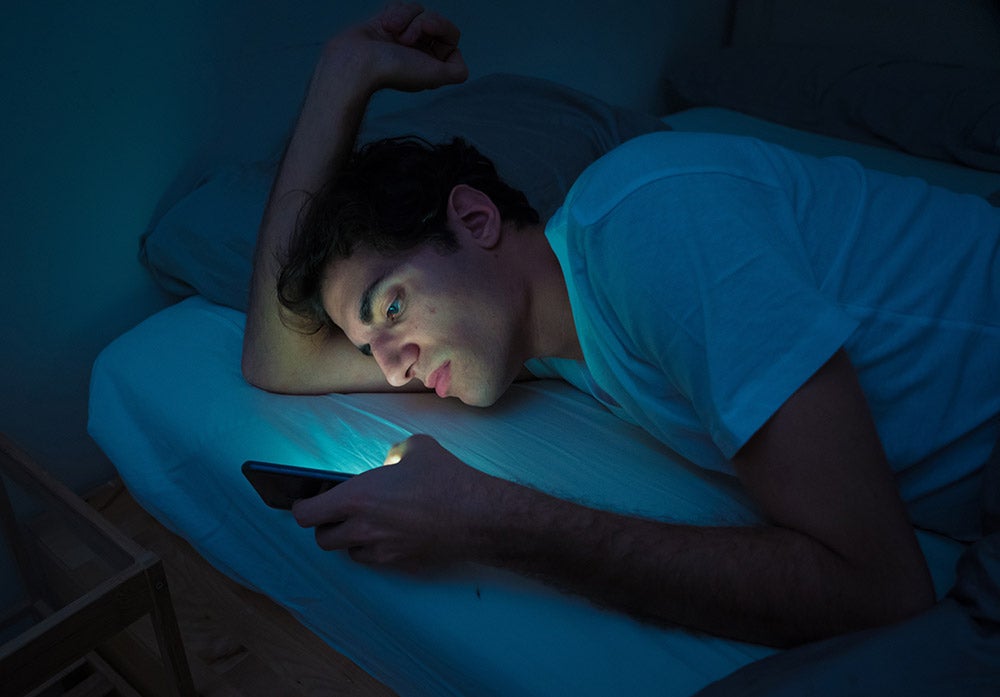


Insomnia often comes with isolation. While the world sleeps, thoughts grow louder. Emotional pain, regret, or unresolved trauma can surface more intensely at night, making cravings feel overwhelming.
Common emotional triggers:
-
Loneliness
-
Rumination
-
Anxiety about the future
5. Poor Sleep Slows Recovery and Healing
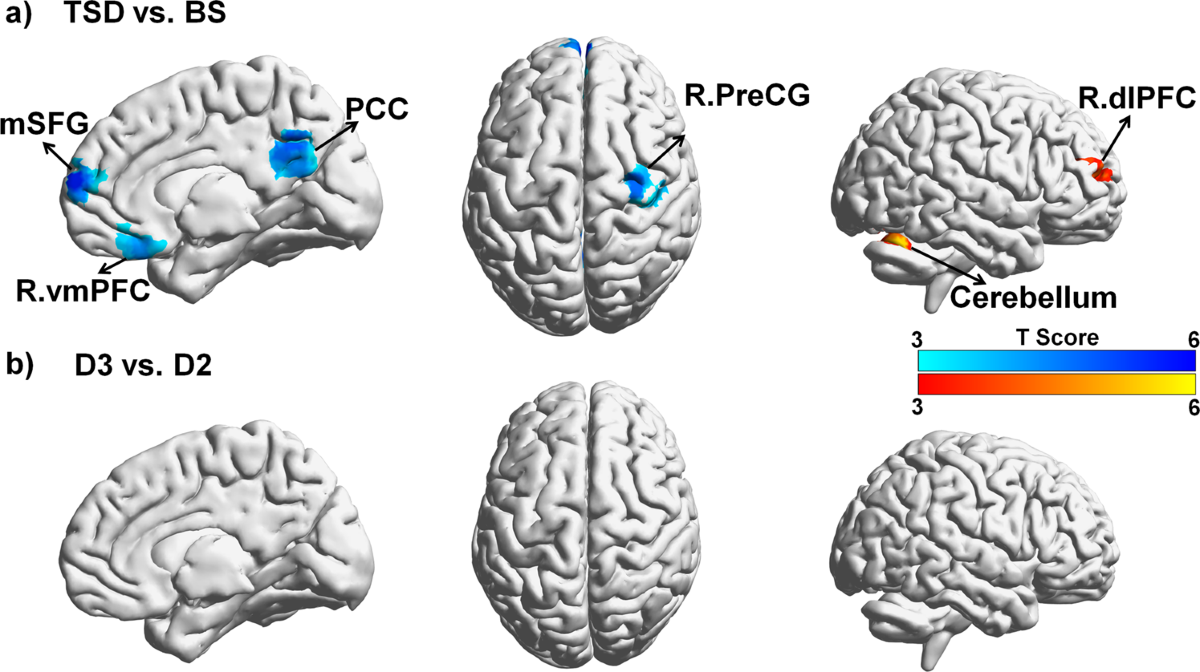

Sleep is when the brain repairs neural pathways, regulates emotions, and restores balance. Chronic insomnia disrupts this healing process, prolonging cravings and delaying emotional recovery.
Without quality sleep:
-
Stress sensitivity remains high
-
Emotional resilience stays low
-
Craving cycles persist longer
How Improving Sleep Can Reduce Cravings
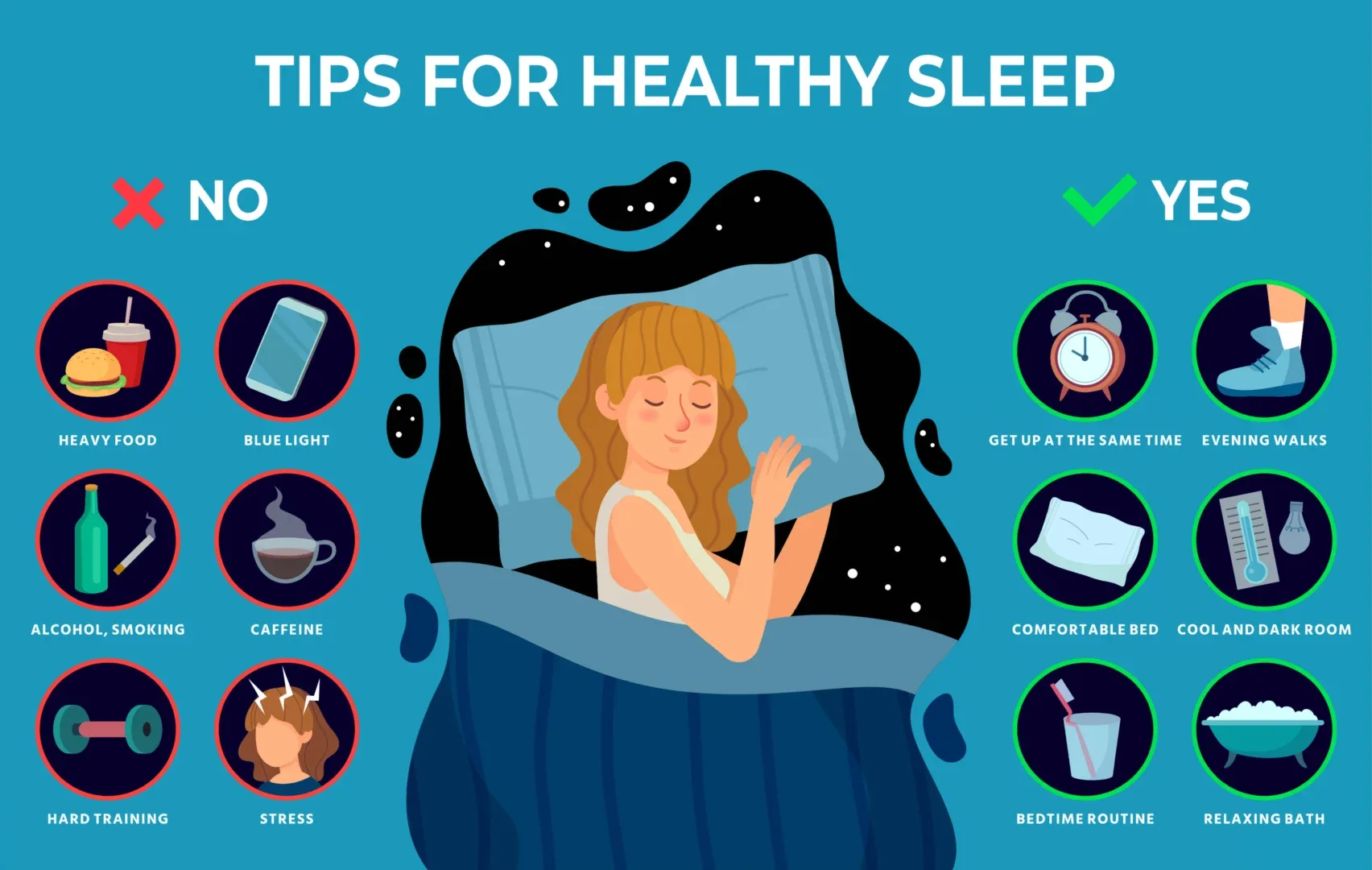
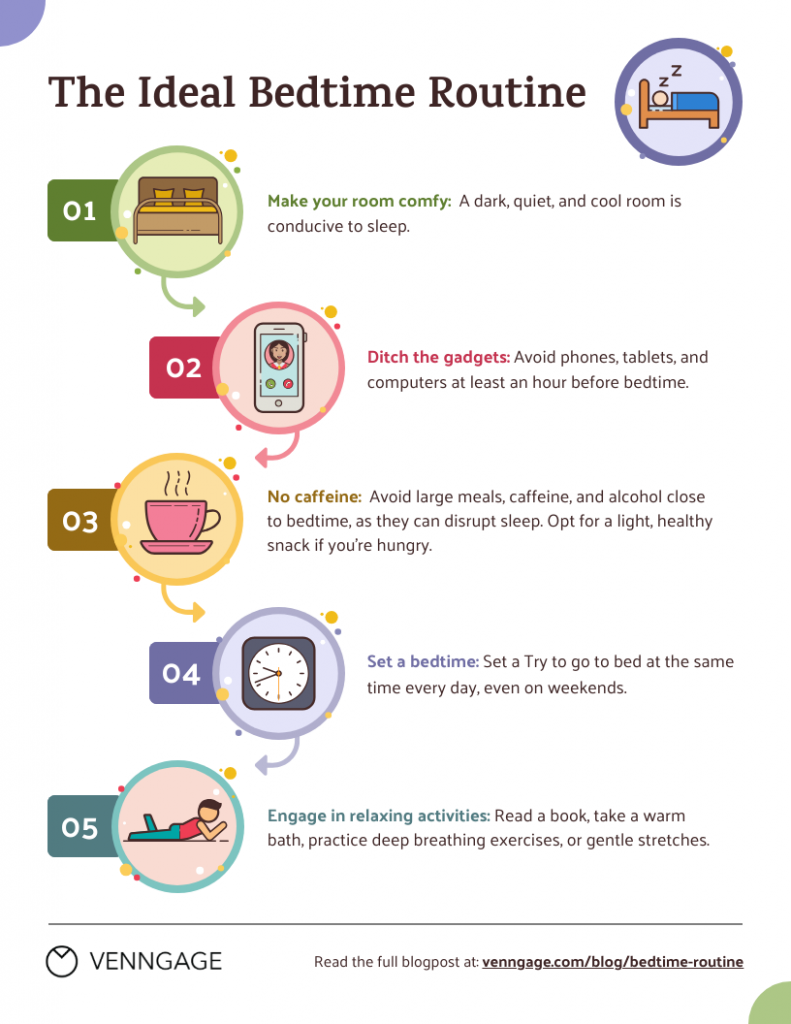

Even small improvements in sleep can significantly reduce cravings. Consistent sleep routines, reduced screen exposure at night, relaxation practices, and addressing anxiety before bedtime can restore balance to the brain.
Helpful strategies include:
-
Fixed sleep and wake times
-
Gentle nighttime breathing or meditation
-
Limiting caffeine and stimulants
-
Treating insomnia as part of recovery—not a side issue
Conclusion
Insomnia doesn’t just affect your energy—it reshapes your brain’s craving circuitry. By disrupting dopamine, increasing stress hormones, weakening self-control, and amplifying nighttime emotions, poor sleep creates the perfect storm for cravings to intensify. Addressing sleep is not optional in recovery—it’s foundational.
Better sleep doesn’t just make you feel rested.
It makes cravings quieter, decisions stronger, and recovery more sustainable.