

Introduction
People struggling with addiction are often labeled as “too sensitive” or “overreacting.” A small comment can trigger anger, tears, or withdrawal that seems out of proportion to the situation.
But this reaction is not a personality flaw — it is a brain and nervous system response shaped by addiction.
To truly understand why people with addiction often overreact, we need to look beneath behavior and into how addiction changes emotional processing, stress tolerance, and self-protection mechanisms.
1. Addiction Disrupts Emotional Regulation


Image caption: Addiction weakens the brain’s ability to regulate emotions and impulses.
Addiction affects the prefrontal cortex, the part of the brain responsible for:
-
Emotional control
-
Rational thinking
-
Pausing before reacting
When this system is impaired, emotions rise faster and stronger, while the ability to slow them down weakens. As a result, reactions feel automatic and overwhelming rather than thoughtful.
Key insight:
What looks like “overreaction” is often a brain struggling to hit the emotional brakes.
2. The Nervous System Is Stuck in Survival Mode
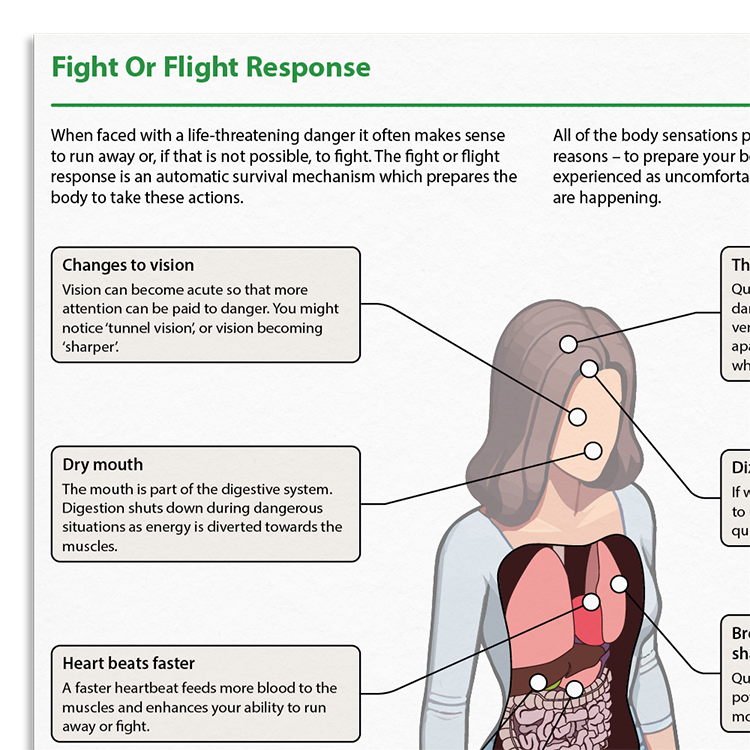

Image caption: Many people with addiction live in a constant fight-or-flight state.
Chronic substance use trains the nervous system to expect danger, discomfort, or loss. Over time, the body becomes hyper-vigilant:
-
Neutral events feel threatening
-
Mild stress feels unbearable
-
Emotions feel urgent and explosive
This survival mode means the brain reacts before logic has a chance to intervene.
In short:
The body reacts as if every emotional trigger is an emergency.
3. Shame and Guilt Amplify Reactions
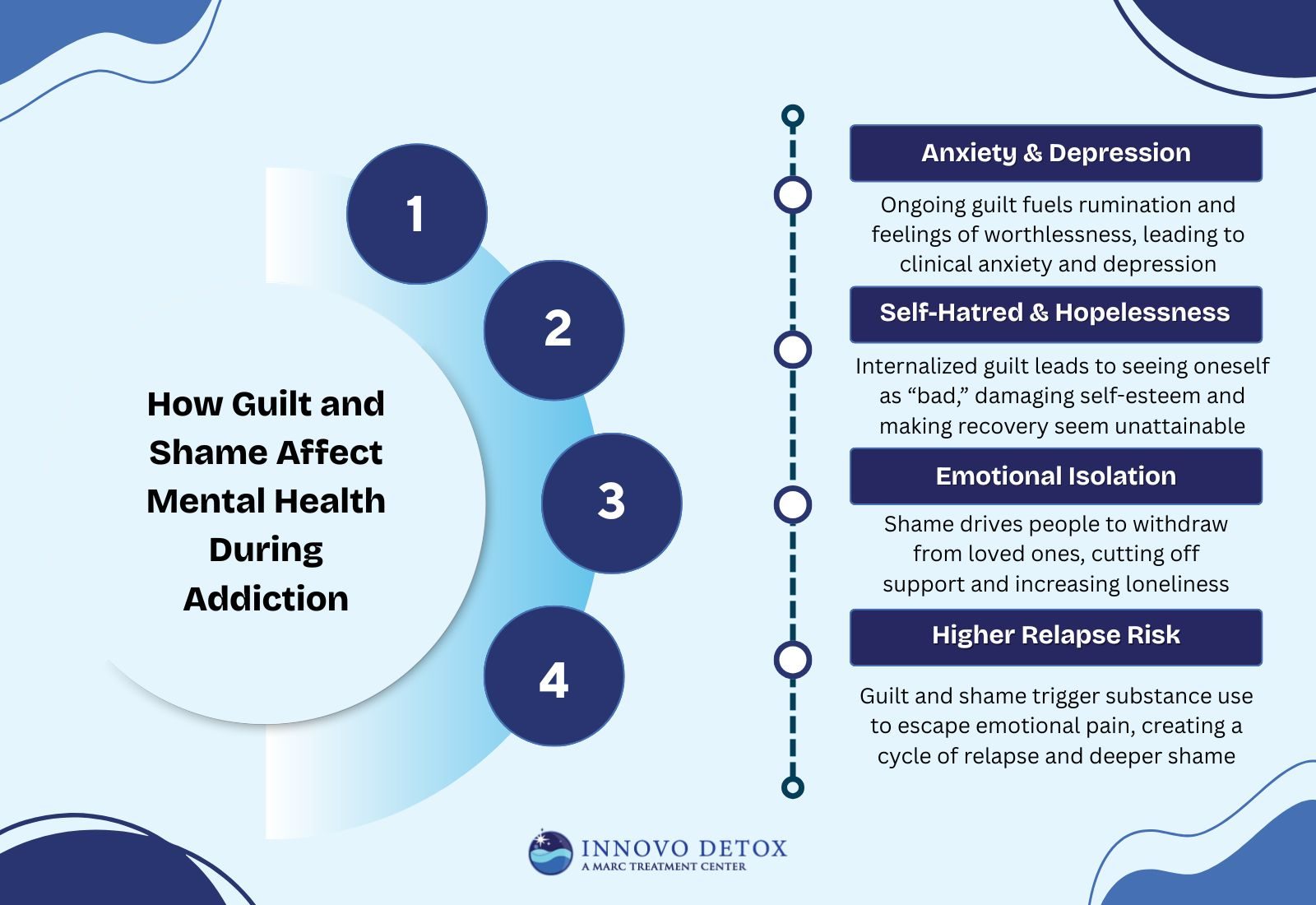
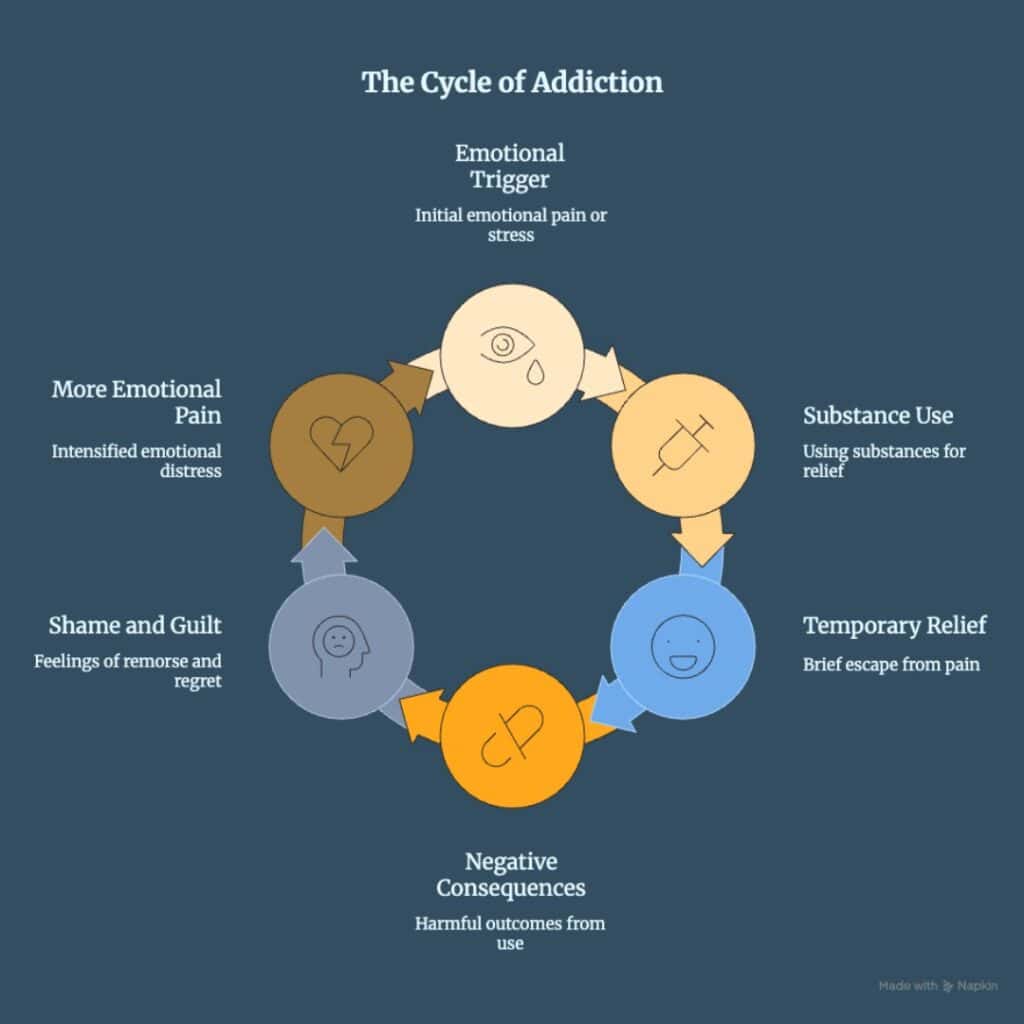
Image caption: Shame acts as emotional gasoline, intensifying reactions.
Addiction often carries deep layers of:
-
Shame
-
Guilt
-
Fear of judgment or rejection
Even small feedback can activate these buried emotions. When shame is triggered, the brain responds defensively — anger, denial, or emotional shutdown become ways to protect the self.
Important truth:
The reaction is not to the present moment alone — it’s to years of accumulated emotional pain.
4. Reduced Emotional Tolerance
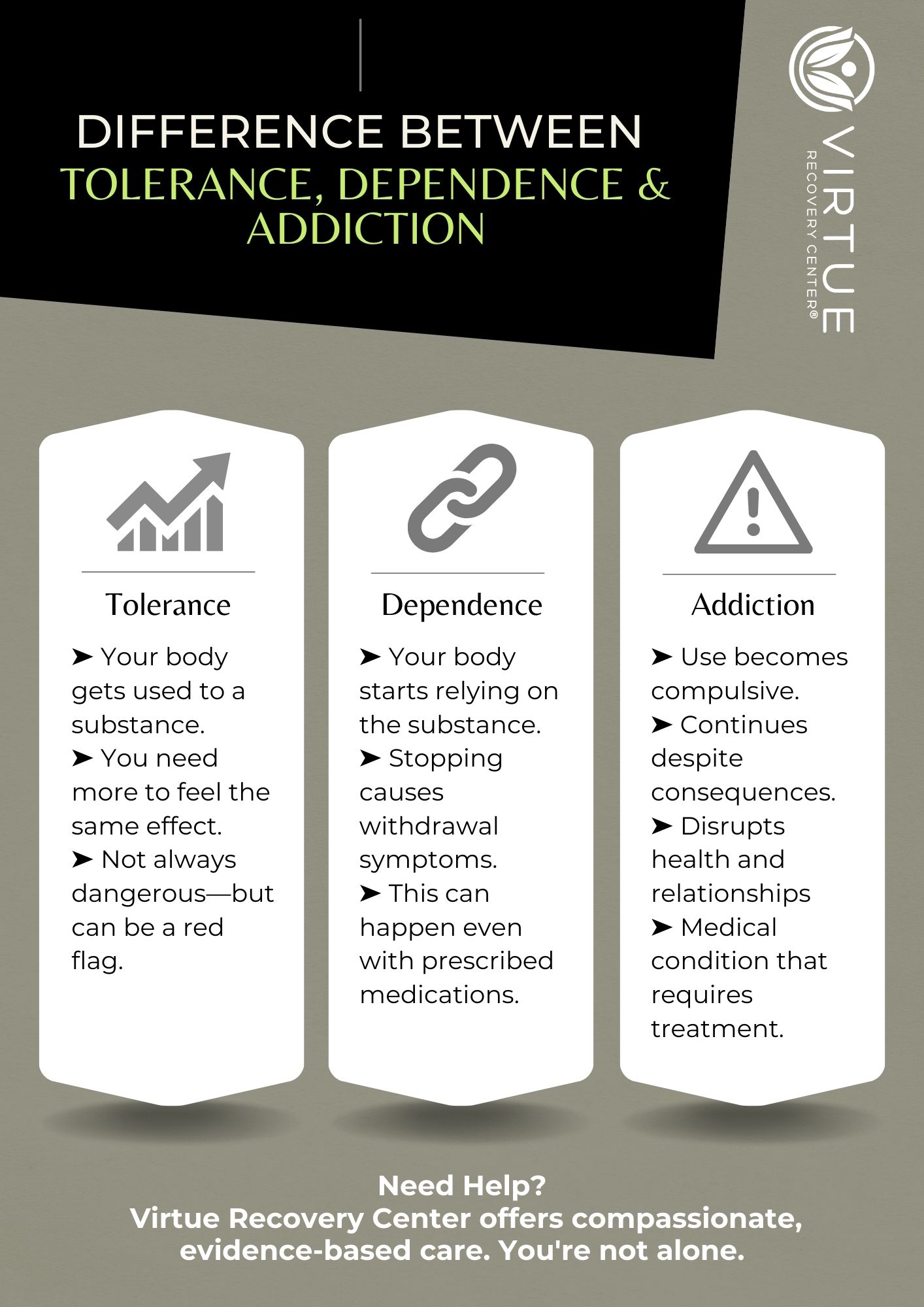
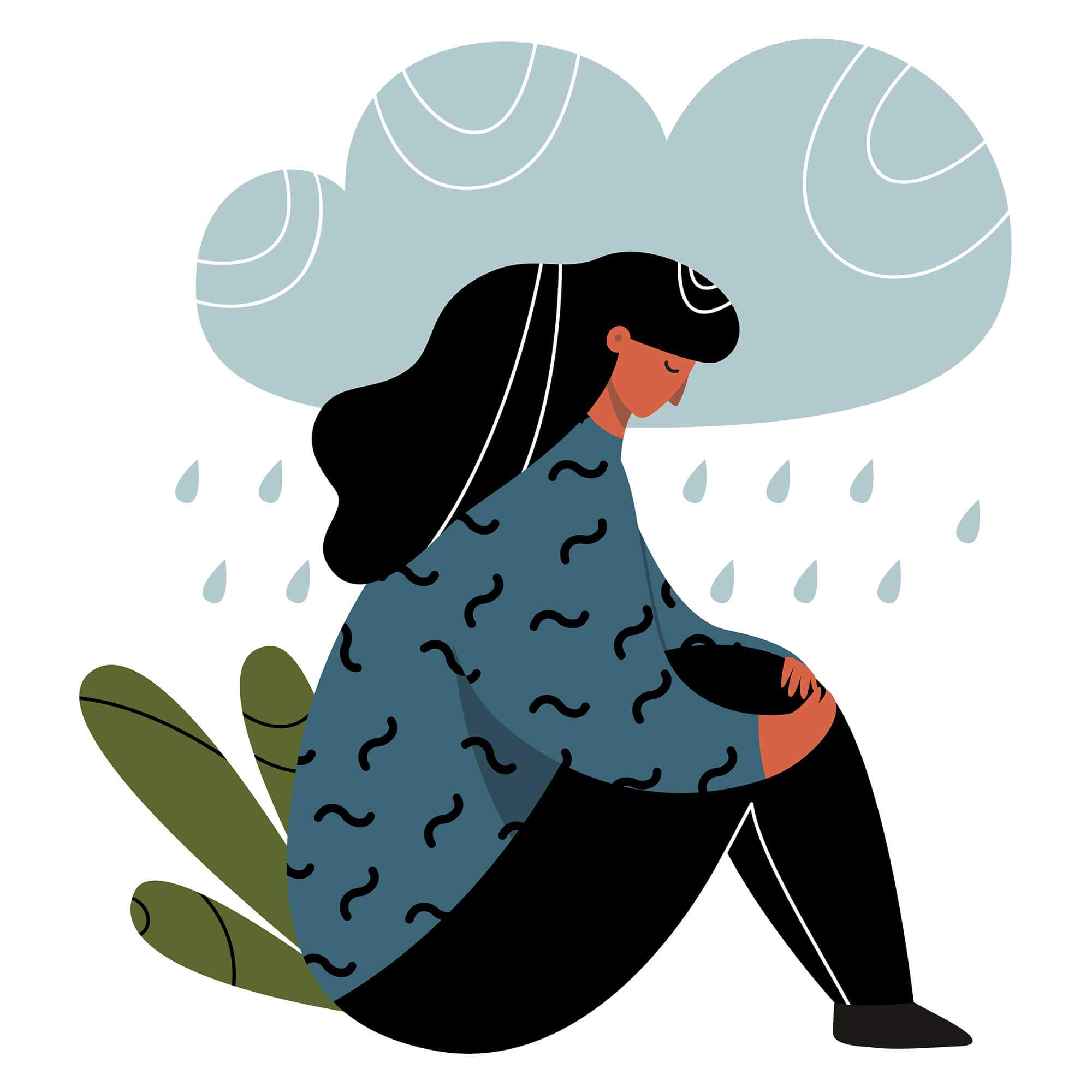
Image caption: Addiction lowers the threshold for emotional discomfort.
Substances often function as emotional anesthetics. When emotions were repeatedly numbed rather than processed, the ability to tolerate discomfort never fully developed.
Without that buffer:
-
Sadness feels unbearable
-
Frustration feels explosive
-
Anxiety feels intolerable
Overreaction becomes a natural response to emotions that feel too intense to hold.
5. Overreaction Is Often a Cry for Safety


Image caption: Strong reactions are often attempts to feel safe, not to cause harm.
Many emotional outbursts are not about control or manipulation. They are unconscious attempts to regulate distress:
-
Anger creates distance
-
Tears invite comfort
-
Withdrawal reduces stimulation
Seen through this lens, overreaction becomes a signal, not a flaw.
What This Means for Recovery
Understanding emotional overreaction changes how we approach healing:
-
It calls for compassion, not criticism
-
It highlights the need for emotional regulation skills
-
It explains why therapy, mindfulness, and nervous-system healing are essential
Recovery is not just about stopping substance use — it’s about retraining the brain and body to feel safely again.
Final Thoughts
People with addiction do not overreact because they are weak or dramatic.
They overreact because their brains have been trained by pain, survival, and emotional overload.
With time, support, and the right tools, emotional balance can be rebuilt — and reactions that once felt uncontrollable can slowly become manageable.