

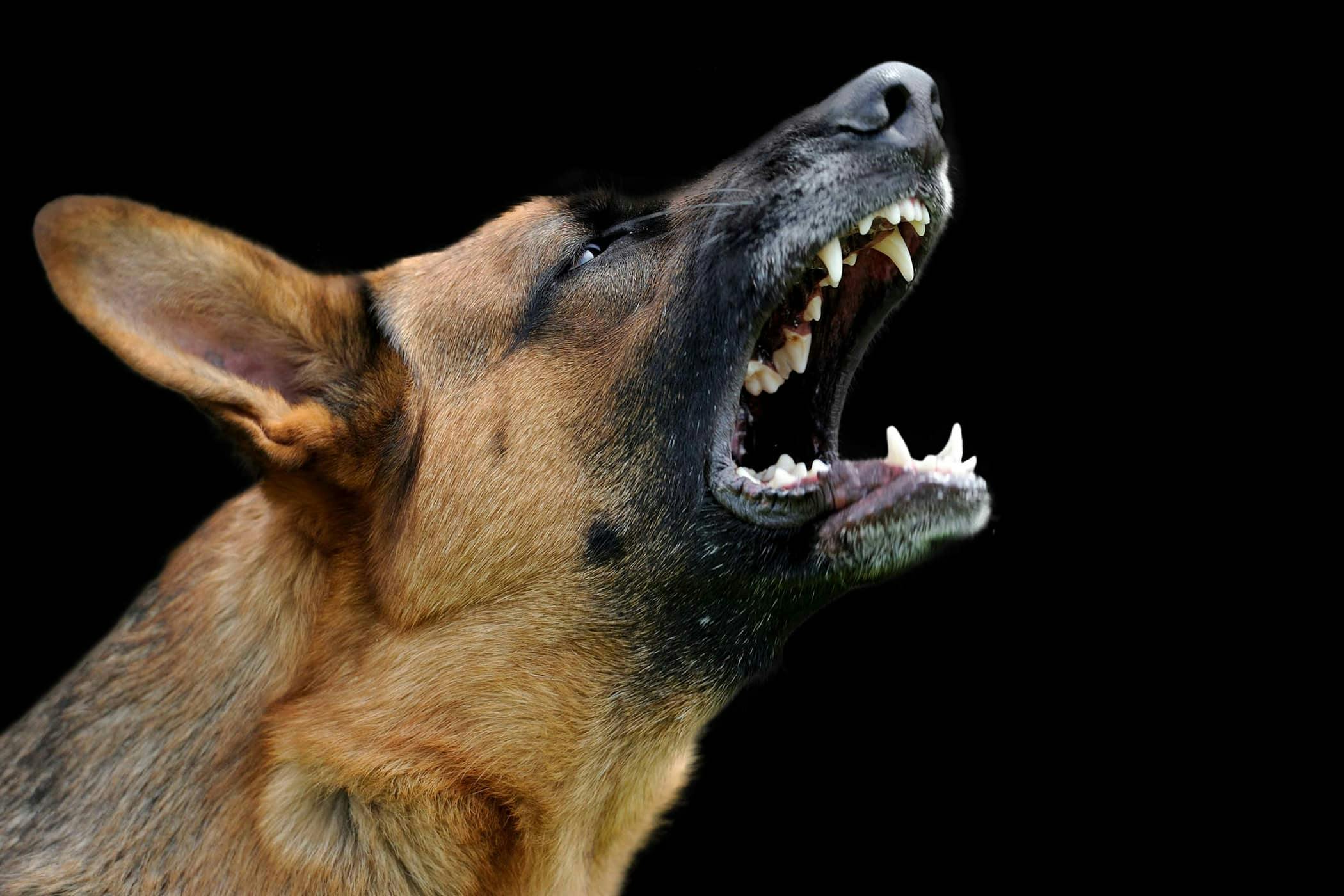
If your dog is calm and friendly during the day but growls, snaps, or becomes defensive only at night, this pattern is a big clue. Night-only aggression is rarely “random.” It’s usually tied to fear, pain, sensory changes, or confusion that worsens after dark.
Below is a clear breakdown of why this happens, how to spot the cause, and what to do next.
What Nighttime Aggression Often Looks Like
You might notice your dog:
-
Growling or snapping when approached at night
-
Guarding beds, doorways, or resting spots after dark
-
Reacting to shadows, sounds, or movement
-
Becoming defensive when touched while resting
-
Seeming confused or startled when awakened
👉 The key pattern: aggression appears after sunset and fades by morning.
Most Common Causes of Night-Only Aggression
1. Fear of the Dark or Reduced Vision
At night, dogs:
-
See less clearly
-
Misinterpret shapes and shadows
-
Startle more easily
If your dog has early vision loss, night can feel unsafe—leading to defensive reactions.
2. Pain That Feels Worse at Night
Pain tolerance drops when dogs rest.
-
Arthritis
-
Back or neck pain
-
Dental pain
Being touched or startled while sore can trigger snapping—especially when half asleep.
3. Cognitive Dysfunction (Dog Dementia)
Common in senior dogs.
-
Confusion increases at night (“sundowning”)
-
Dogs may not recognize people briefly
-
Fear-based aggression can appear suddenly
Often paired with pacing, staring, or night waking.
4. Sleep Startle Response
Some dogs react aggressively if woken abruptly.
-
Deep sleepers
-
Dogs with anxiety or past trauma
They may snap first, recognize you second.
5. Heightened Anxiety at Night
The world is quieter—and scarier.
-
Unfamiliar sounds stand out
-
Dogs feel more vulnerable
This can push anxious dogs past their stress threshold.
6. Resource Guarding at Night
Dogs may guard:
-
Beds
-
Sleeping owners
-
Dark corners
Lower visibility increases perceived threat.
Red Flags That Need Attention
🚨 Contact a vet or behavior professional if:
-
Aggression started suddenly
-
Your dog is a senior
-
Episodes are escalating
-
There’s snapping without warning
-
You also see confusion, pacing, or staring
Night-only aggression is often medical or neurological, not just behavioral.
What You Can Do Right Now

1. Improve Night Visibility
-
Use soft night lights
-
Avoid total darkness
-
Reduce moving shadows
2. Avoid Touching a Sleeping Dog
-
Call their name gently first
-
Let them wake fully before contact
3. Support Comfort
-
Orthopedic bed
-
Warm sleeping area
-
Consistent nighttime routine
4. Rule Out Pain
Schedule a vet exam to check:
-
Joints
-
Spine
-
Teeth
-
Eyes
Pain is a top cause of nighttime aggression.
5. Create Predictability
-
Same bedtime routine
-
Same sleeping location
-
Calm transitions
Predictability lowers fear.
What NOT to Do
❌ Punish nighttime aggression
❌ Surprise your dog from sleep
❌ Assume it’s “dominance”
❌ Ignore sudden changes
Punishment increases fear and bite risk.
Can Night-Only Aggression Improve?
Yes—very often, once the cause is addressed:
-
Pain management
-
Vision support
-
Anxiety treatment
-
Cognitive support in seniors
Early intervention prevents escalation.
Final Takeaway
When a dog becomes aggressive only at night, it’s rarely a personality issue. Darkness changes how dogs see, feel, and interpret the world—and underlying pain or confusion often surfaces then.
🐾 Nighttime aggression is a message, not misbehavior. Listen to it early to keep everyone safe.