
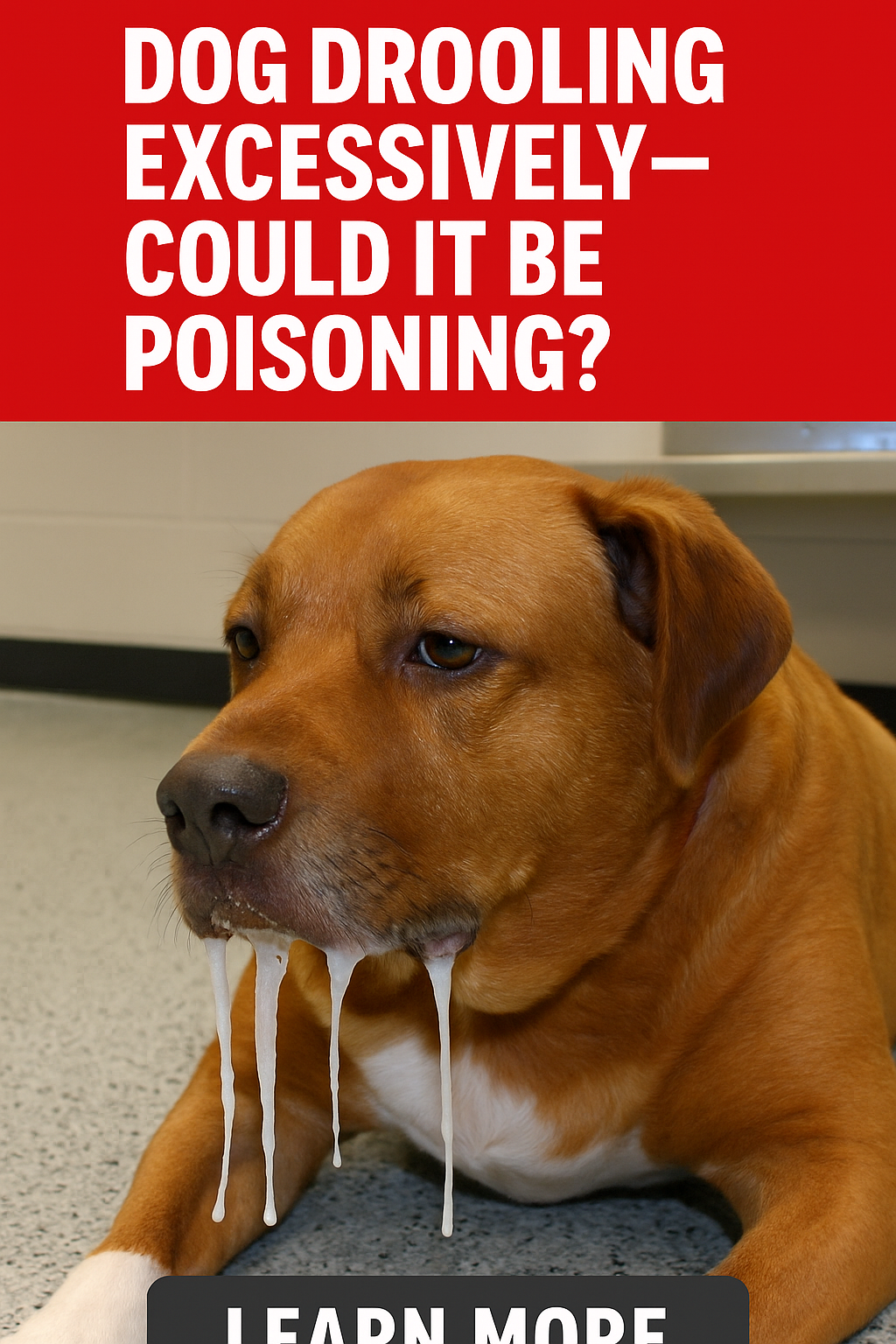
Excessive drooling can be normal in some breeds—but sudden, heavy, nonstop drooling is a major red flag. Many medical issues can trigger hypersalivation, but poison exposure is one of the most dangerous causes and requires fast action.
Below is a breakdown of the most common reasons a dog might drool excessively—and which signs suggest a possible poisoning emergency.
📍 1. Toxic Plants, Foods, or Chemicals
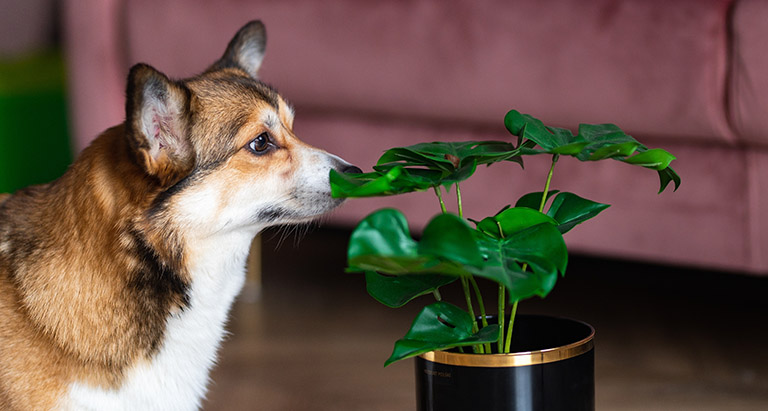
Dogs often chew leaves, grass, or objects in the yard. Many plants and household chemicals cause irritation or burning of the mouth → instant drooling.
Common toxins:
-
Sago palm
-
Oleander
-
Pothos
-
Bleach, cleaning sprays
-
Essential oils
Warning signs: pawing at mouth, vomiting, tremors.
📍 2. Medication or Pest-Control Poisoning
Ingesting human medications, rodent poison, or pesticides can cause severe drooling before progressing to life-threatening symptoms.
Other signs: pale gums, wobbling, seizures.

📍 3. Mouth or Throat Injury
Chewing sharp objects, bones, sticks, or toys can cut the gums or lodge splinters—causing saliva to pool.
Other signs: refusing food, whimpering, bleeding.
📍 4. Heatstroke
Overheating causes heavy panting → hypersalivation.
Signs: red gums, collapse, rapid heartbeat.
📍 5. Nausea or GI Upset
Motion sickness, stomach irritation, and infections can also cause waves of drooling.
Look for: licking lips, swallowing repeatedly.

📍 6. Dental Disease (Advanced)
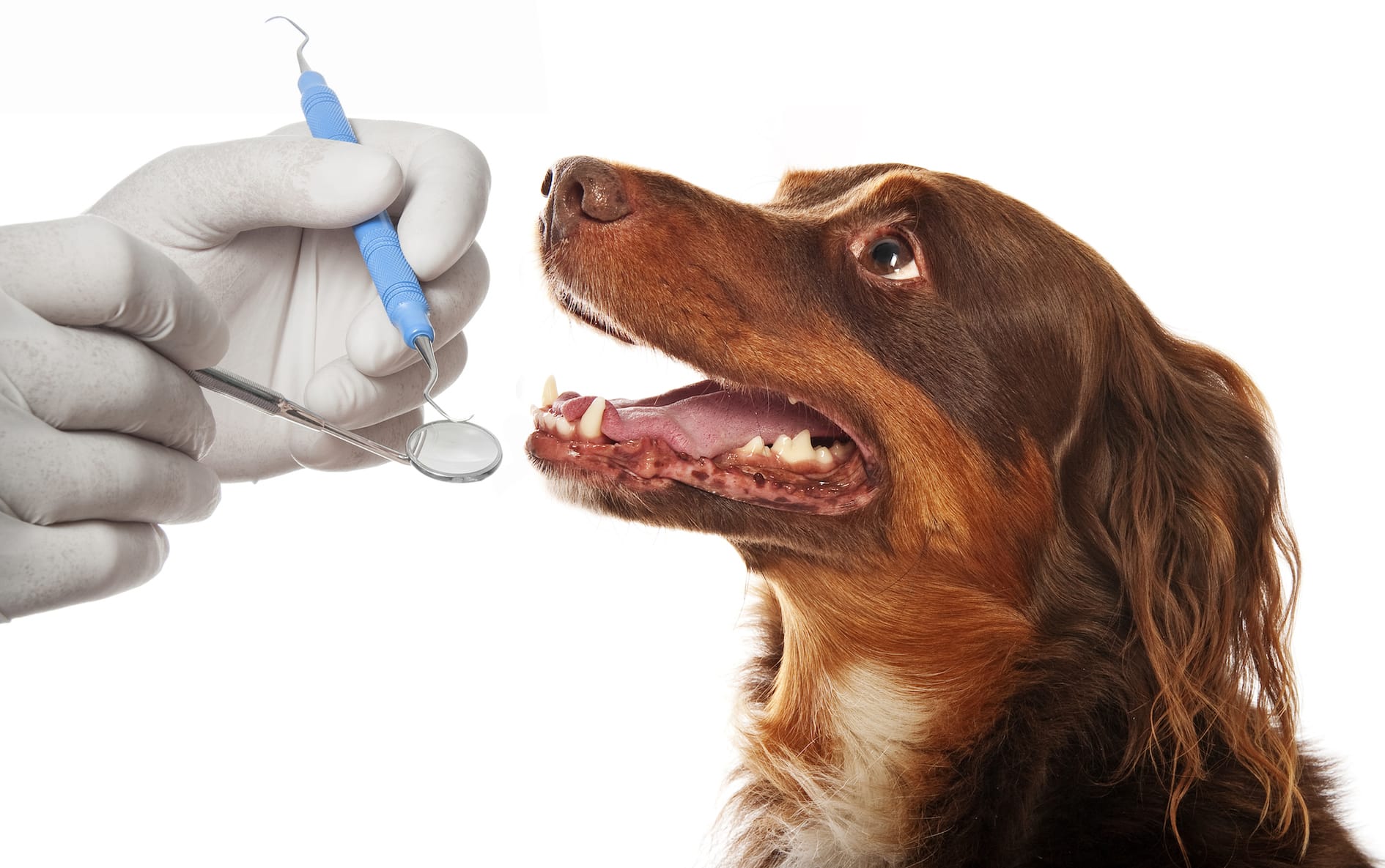
Severe tartar, abscesses, and gum infection can trigger constant drooling.
Warning signs: foul breath, swollen gums, loose teeth.

🆘 When Drooling = EMERGENCY
Seek urgent veterinary care if you see:
-
Sudden massive drooling
-
Shaking, tremors, stumbling
-
Vomiting or diarrhea
-
Swollen mouth or tongue
-
Ingestion of chemicals or unknown plants
Poisoning progresses fast—minutes matter.