

If your dog is perfect at home—sits, stays, recalls—yet acts like they’ve never heard a command at the park, this is extremely common. The good news: it’s not stubbornness, not defiance, and not bad memory.
👉 Your dog hasn’t forgotten the commands.
👉 The training hasn’t been generalized to high-distraction environments.
Let’s break it down and fix it step by step.
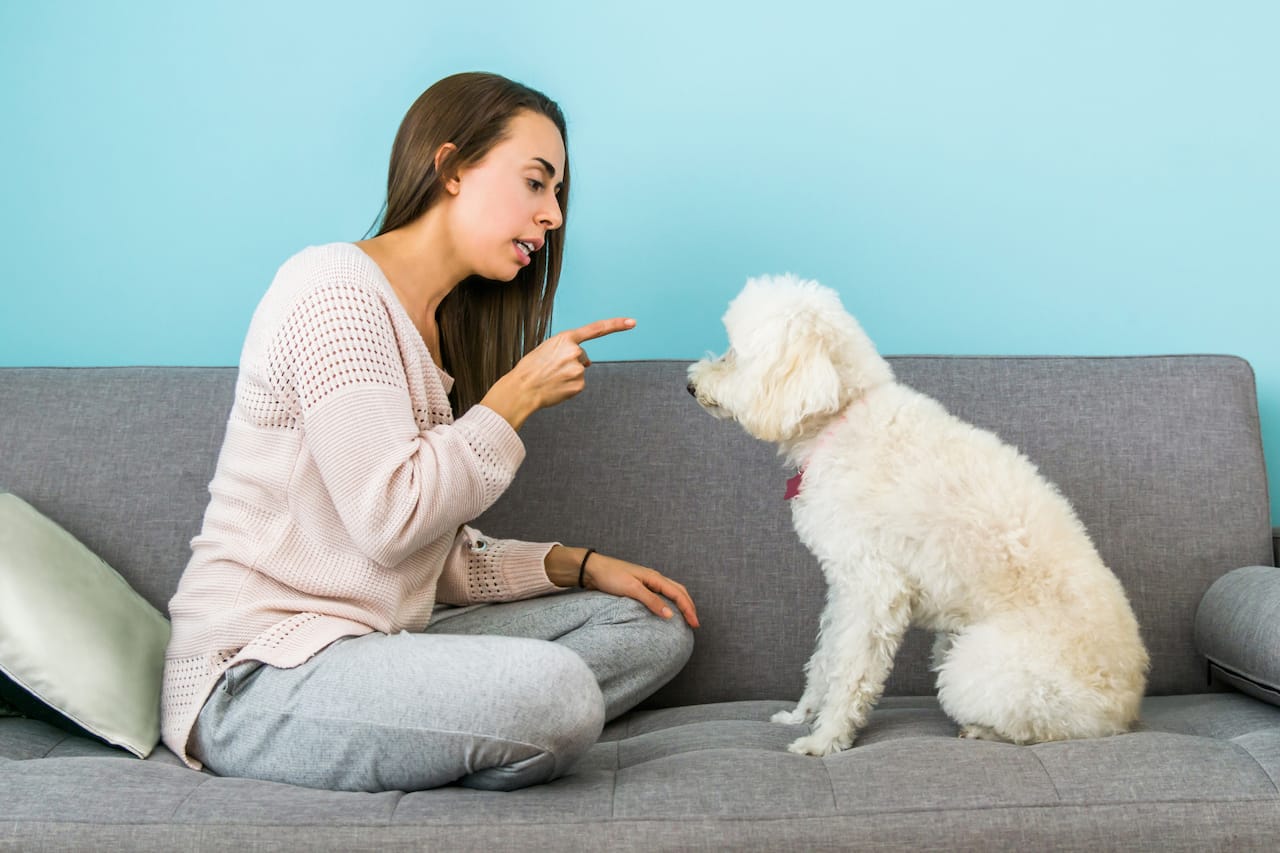
Why Dogs “Forget” Commands at the Park
1. Distraction Overload (Most Common)
Parks are full of:
-
New smells
-
Other dogs
-
People, bikes, birds
-
Wind and movement
A dog’s brain can only process so much. When arousal goes up, obedience goes down.
2. Commands Were Learned Only Indoors
Dogs don’t automatically understand that:
-
“Sit” in the living room
-
“Sit” at the park
…are the same behavior. To your dog, they are different situations requiring separate learning.
3. Rewards Lose Value Outside
At home:
-
Treat = best thing happening
At the park:
-
Smells, dogs, freedom > treat
So your dog chooses what pays more.
4. Emotional State Changes
Excitement, anxiety, or overstimulation shuts down recall.
Your dog may know the command but can’t access it in that moment.
What This Is NOT
❌ Your dog being stubborn
❌ Dominance
❌ Lack of intelligence
❌ You “doing it wrong”
This is a normal stage of learning.
How to Fix It (Proven Training Plan)

1. Lower the Difficulty Outside
At first, ask for:
-
Eye contact
-
Name response
-
Simple sit
❌ Don’t expect long stays or perfect recall yet.
2. Increase Distance From Distractions
Start training:
-
Far from other dogs
-
At quiet corners of the park
-
During low-traffic hours
Distance = control.
3. Use Higher-Value Rewards
Bring:
-
Real meat
-
Cheese
-
Smelly soft treats
Kibble usually isn’t enough outdoors.
4. Use a Long Line (Critical)
A 10–30 ft leash:
-
Keeps your dog safe
-
Prevents ignoring recalls
-
Allows learning without failure
Never practice recall if your dog can ignore you freely.
5. Reward Engagement, Not Just Commands
Pay your dog for:
-
Checking in
-
Looking at you
-
Choosing you over distractions
Engagement comes before obedience.
6. Short, Successful Sessions
-
3–5 minutes
-
End on success
-
Leave before your dog is overwhelmed
Quality > duration.
Training Progression That Works
-
Backyard
-
Quiet sidewalk
-
Empty park
-
Park with distant dogs
-
Busier areas
Skipping steps causes setbacks.
How Long Until Improvement?
With consistent practice:
-
Notice change in 1–2 weeks
-
Reliable response in 4–6 weeks
-
Strong obedience in 2–3 months
When to Get Help
📞 Consider a trainer if:
-
Your dog bolts or ignores recall
-
Arousal becomes frantic
-
You feel unsafe outdoors
A few sessions can dramatically speed progress.
Final Takeaway
Your dog didn’t forget their training—the park is just a graduate-level exam they weren’t prepared for. Teach commands in stages, make yourself valuable, and build success slowly.
🐾 Train where your dog struggles—not where they already succeed.