
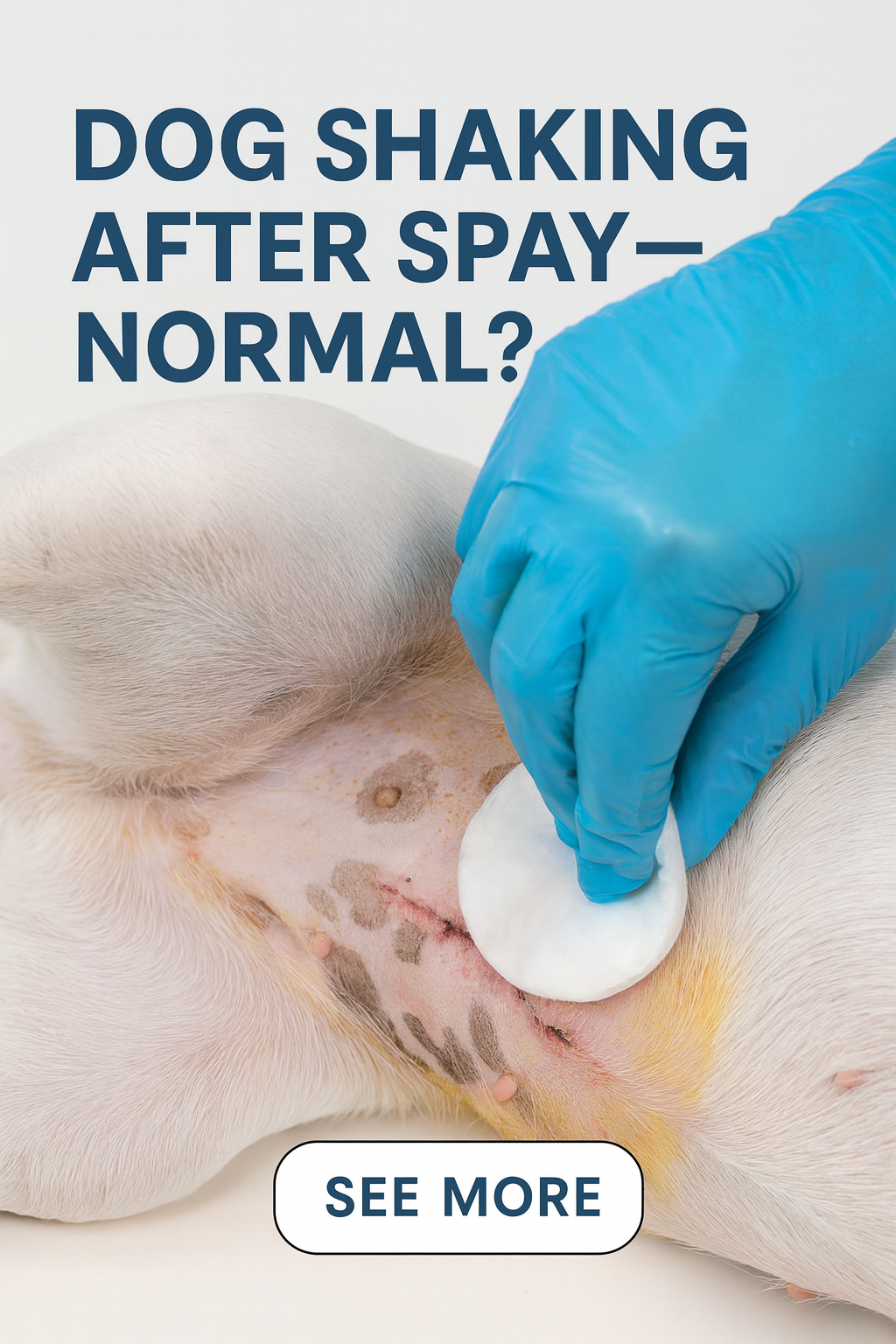
Bringing your dog home after her spay surgery can be stressful—especially if you notice her shaking, trembling, or shivering. Many owners immediately worry that something went wrong. The good news is that some shaking after spay surgery can be normal, but there are situations where it signals pain, complications, or a reaction that needs attention.
This article explains why dogs shake after being spayed, what’s normal vs. not, how long it should last, and when you should call the vet.
What Does Post-Spay Shaking Look Like?
You may notice your dog:
-
Shivering or trembling while resting
-
Shaking intermittently
-
Curling up tightly and shaking
-
Appearing quiet or withdrawn
-
Shaking more when moving or standing
Context matters—timing, intensity, and accompanying symptoms are key.
Common Reasons Dogs Shake After Spay Surgery

1. Effects of Anesthesia (Very Common)
The most common and normal cause.
-
Anesthesia disrupts temperature regulation
-
Dogs may shiver or tremble as it wears off
-
Usually occurs within the first 12–24 hours
This type of shaking should gradually improve.
2. Feeling Cold
After surgery:
-
Body temperature may drop
-
Fur may be shaved
-
Dogs are less active
Shivering due to cold is common—especially in small or short-haired dogs.
3. Pain or Discomfort
Spay surgery involves the abdomen.
-
Pain can cause trembling or shaking
-
Dogs may not cry or whine
-
Shaking often worsens with movement
Pain-related shaking usually improves after prescribed pain medication.
4. Stress or Anxiety
The experience of:
-
Vet visits
-
Surgery
-
New sensations
can cause stress-induced shaking, even after coming home.
5. Medication Side Effects
Some pain medications can cause:
-
Mild tremors
-
Shivering
-
Restlessness
These effects should be temporary, but report them if severe.
What’s Normal vs. NOT Normal
Usually Normal
✔ Mild shaking within 24 hours of surgery
✔ Shivering that improves with warmth
✔ Shaking that decreases after pain meds
✔ Dog is alert and responsive
NOT Normal (Red Flags)

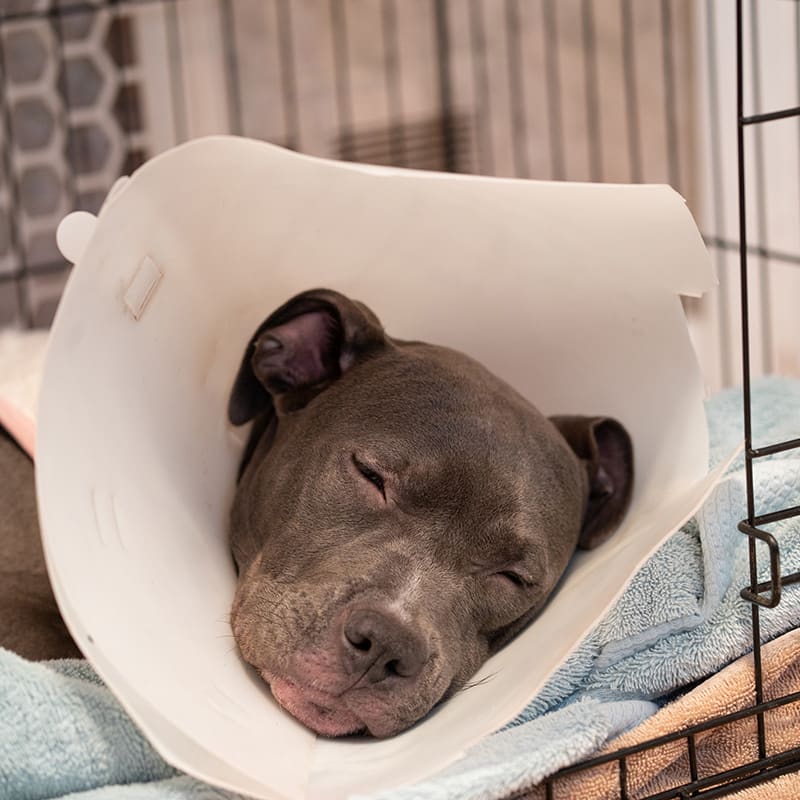
🚨 Call your vet or seek urgent care if your dog:
-
Shakes intensely or continuously
-
Has shaking that worsens after 24 hours
-
Won’t eat or drink
-
Seems extremely lethargic or unresponsive
-
Has vomiting, diarrhea, or pale gums
-
Has bleeding, swelling, or discharge at the incision
These signs may indicate pain, infection, reaction, or complications.
What You Can Do Right Now
✅ Keep your dog warm and comfortable
✅ Use a quiet, low-stress recovery area
✅ Give pain meds exactly as prescribed
✅ Limit movement and activity
✅ Monitor the incision daily
❌ Do NOT give human medications
❌ Do NOT skip pain meds to “see what happens”
❌ Do NOT ignore worsening symptoms
How Long Should Shaking Last?
-
Anesthesia-related shaking: up to 24 hours
-
Cold or stress: improves quickly with comfort
-
Pain-related shaking: should improve with medication
If shaking lasts more than 24–36 hours, contact your vet.
Final Takeaway
Shaking after spay surgery is often normal, especially in the first day—but it should improve, not worsen. Persistent, severe, or worsening shaking is your dog’s way of telling you she needs help.
🐾 Trust your instincts. If something feels off, it’s always okay to call your vet—post-surgery questions are expected and encouraged.