
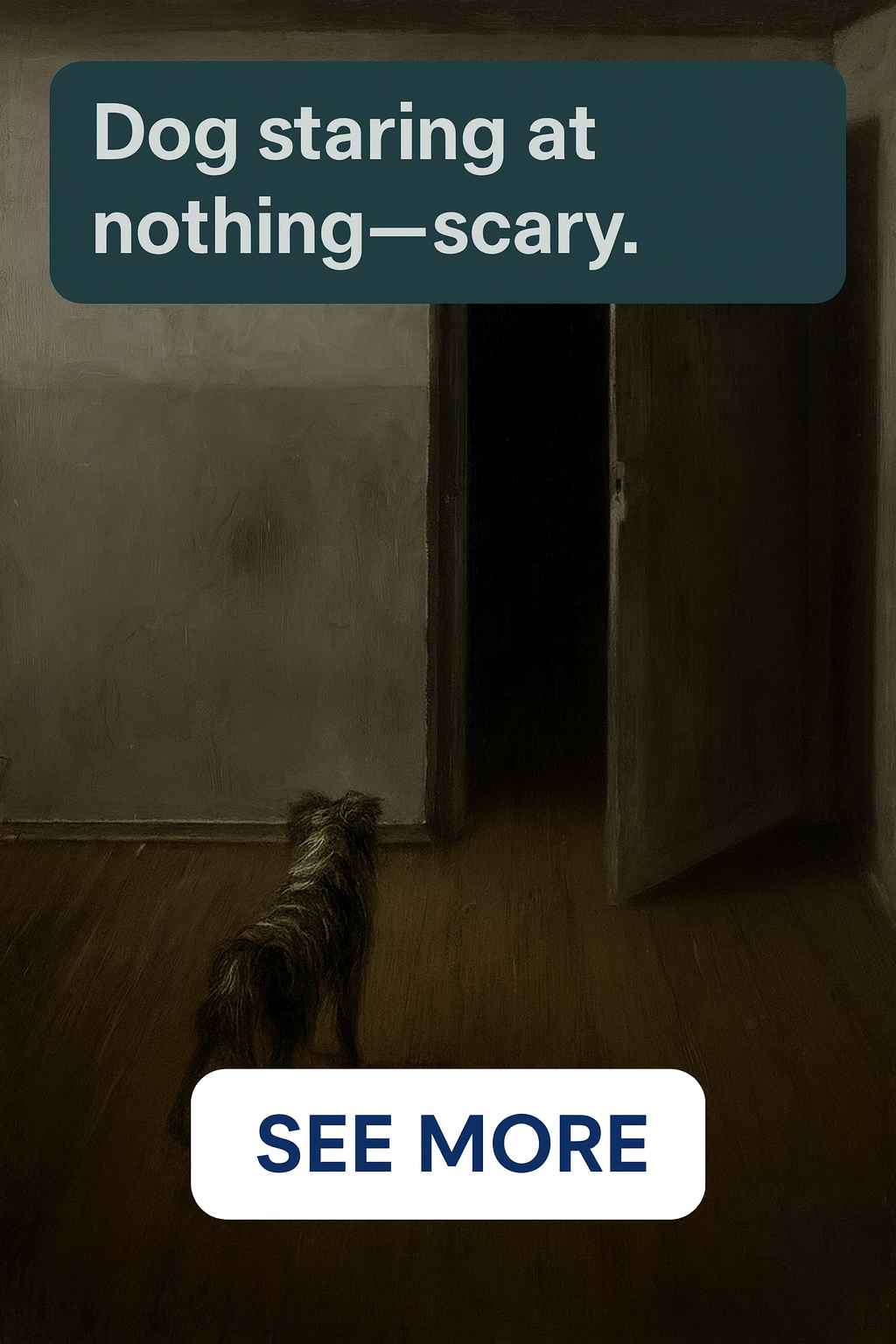
Seeing your dog suddenly freeze and stare into empty space can be unsettling. Many owners describe it as “creepy” or “scary.” While some episodes are harmless, others can signal neurological or medical issues that need attention.
This article explains why dogs stare at nothing, what’s normal vs. concerning, and when to seek help.
What Does “Staring at Nothing” Look Like?
You might notice your dog:
-
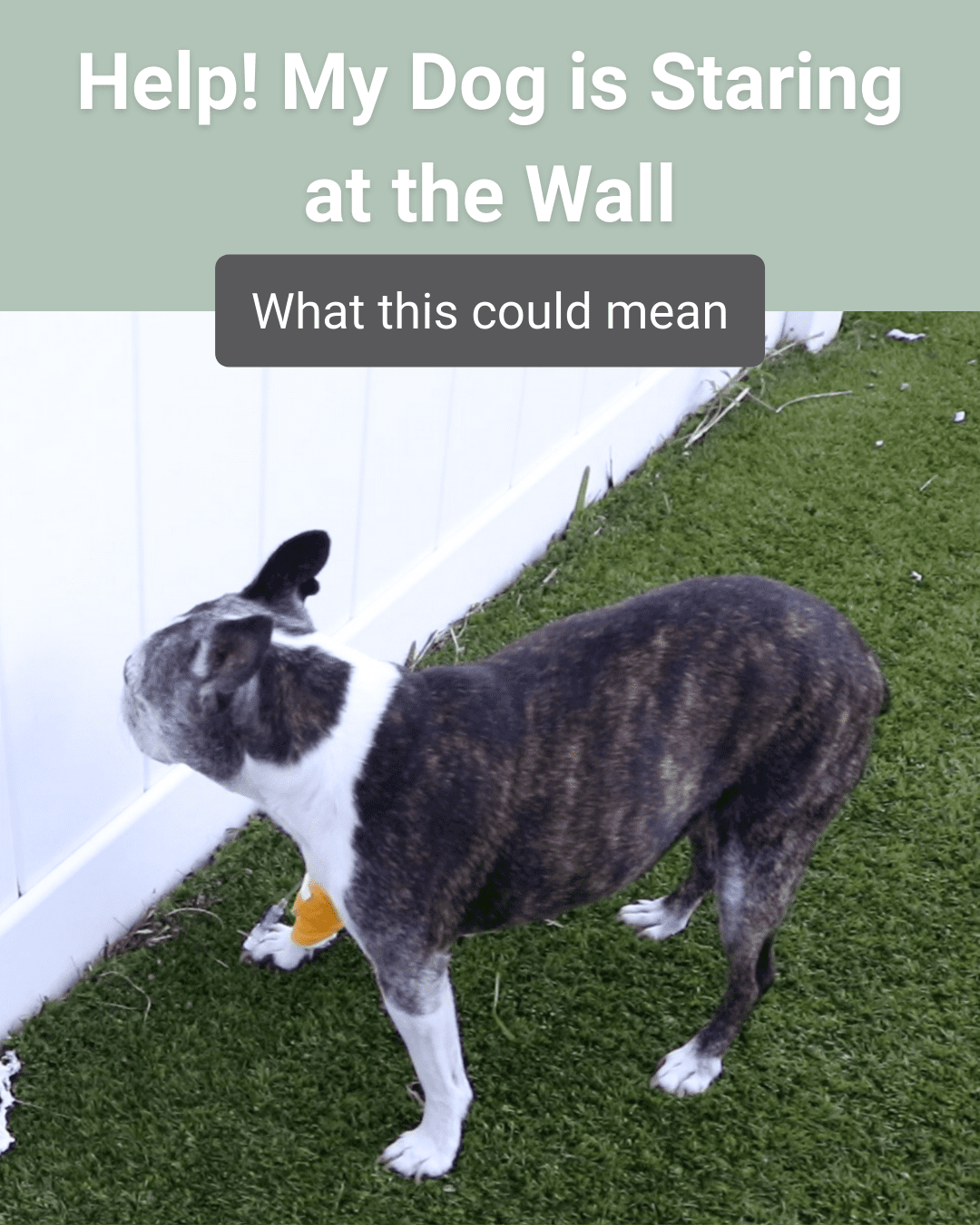
Fixating on a wall or empty corner
-
Not responding when you call their name
-
Standing or sitting completely still
-
Appearing “spaced out” or frozen
-
Snapping out of it suddenly
Episodes may last seconds to minutes.
Common Reasons Dogs Stare Into Space
1. Normal Sensory Behavior
Dogs hear and smell far more than humans.
-
Reacting to faint sounds
-
Watching shadows or light reflections
-
Tracking insects or dust
If your dog responds quickly when called, this is usually normal.
2. Anxiety, Stress, or Overstimulation
Dogs under stress may:
-
Freeze and stare
-
Seem disconnected
-
Zone out after intense activity
Often accompanied by pacing, yawning, or lip licking.
3. Cognitive Dysfunction (Dog Dementia)
More common in senior dogs.
Signs include:
-
Staring at walls
-
Getting stuck in corners
-
Confusion or altered sleep patterns
-
Forgetting routines
These episodes tend to increase over time.
4. Focal (Partial) Seizures
⚠️ A serious possibility
-
Blank staring
-
Lip smacking or twitching
-
Head tilting
-
Unresponsiveness for short periods
These seizures can be subtle and easily missed.
5. Fly-Biting (Fly-Snapping) Syndrome
Dogs appear to:
-
Stare upward
-
Snap at invisible objects
Often linked to neurological or gastrointestinal issues.
When Staring Becomes a Red Flag

🚨 Contact your vet if your dog:
-
Doesn’t respond during episodes
-
Has episodes that are frequent or worsening
-
Shows confusion afterward
-
Has twitching, drooling, or loss of balance
-
Is a senior dog with new behavior changes
These signs warrant medical evaluation.
What You Should Do During an Episode
-
Stay calm
-
Call your dog’s name softly
-
Gently clap or make a light noise
-
Do not shake or startle them
-
Time the episode
If possible, record a short video for your vet.
How Vets Diagnose the Cause
Diagnosis may include:
-
Neurological exam
-
Blood work
-
Cognitive assessment
-
Imaging (MRI/CT) if needed
Early diagnosis helps guide effective treatment.
Can This Be Treated?
Treatment depends on the cause:
-
Anxiety → behavior modification, calming strategies
-
Cognitive dysfunction → diet, supplements, medication
-
Seizures → anticonvulsant therapy
Many dogs improve significantly with proper care.
Final Takeaway
A dog staring at nothing can be harmless—or a warning sign. The key is frequency, responsiveness, and accompanying symptoms.
🐾 Trust your instincts. If it feels “off,” it’s worth checking out.