
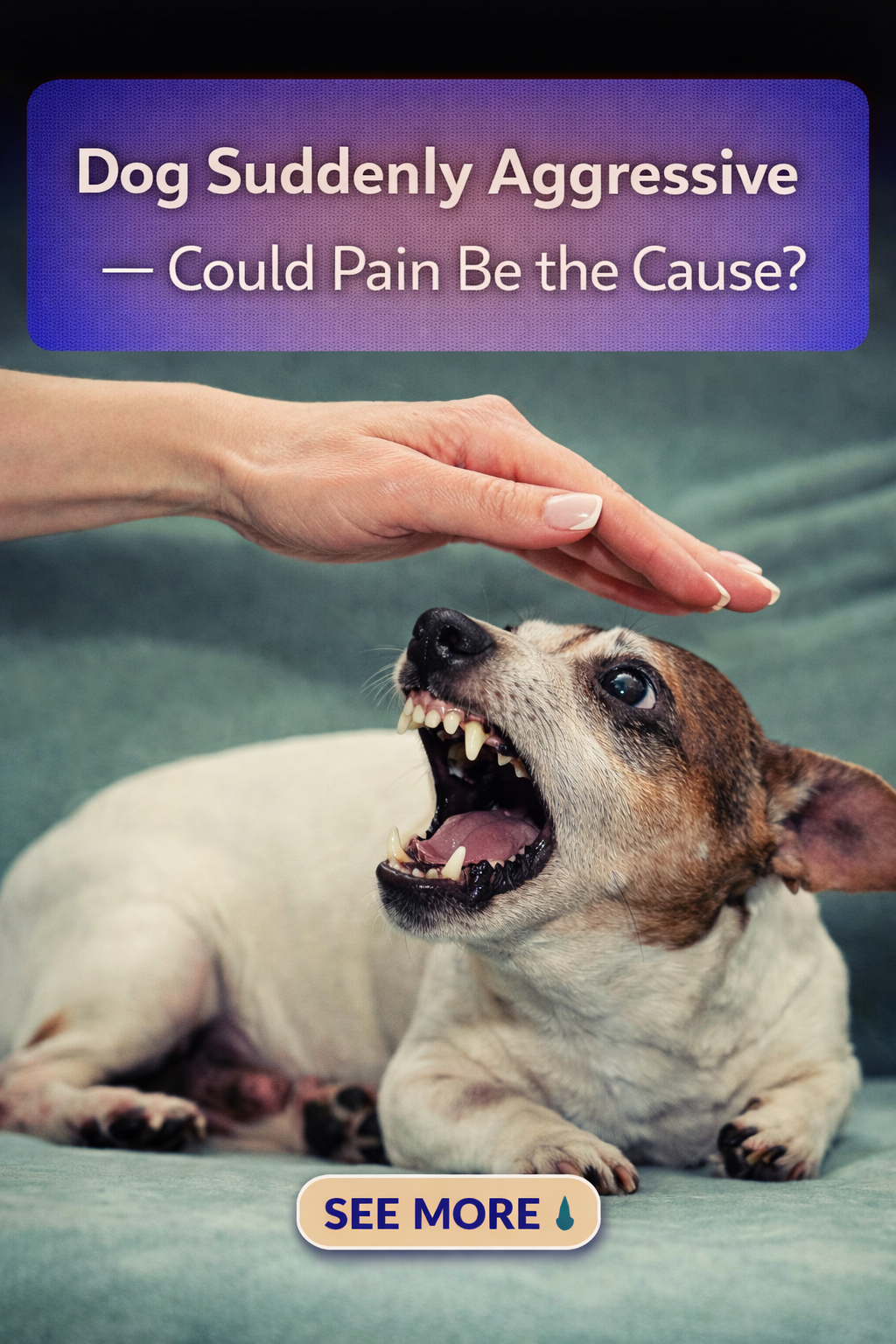
If your dog has suddenly started growling, snapping, or acting aggressively, especially toward people or other animals he was previously fine with, pain is one of the most common and most overlooked causes. This kind of aggression often feels like it comes “out of nowhere,” but in reality, it’s usually a defensive response to discomfort or fear of being hurt.
This article explains how pain causes sudden aggression, what conditions commonly trigger it, how to recognize the warning signs, and what you should do immediately.
What Pain-Related Aggression Looks Like
You may notice your dog:
-
Growling or snapping when touched
-
Reacting aggressively when picked up
-
Becoming irritable or withdrawn
-
Guarding certain body parts
-
Biting “without warning”
-
Acting fine one moment, aggressive the next
👉 The key clue is a sudden change in behavior, not a gradual personality shift.
Why Pain Can Cause Sudden Aggression
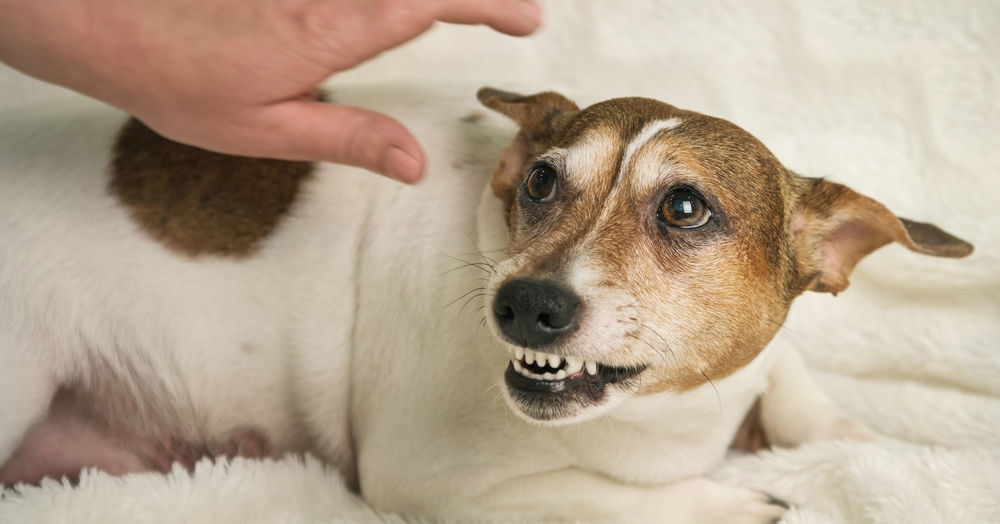
Dogs instinctively protect themselves when they hurt.
-
Pain lowers tolerance
-
Touch becomes threatening
-
Fear + pain = defensive aggression
This is self-preservation, not dominance or spite.
Common Pain-Related Causes of Sudden Aggression
1. Joint or Bone Pain
Very common, especially in adult and senior dogs.
-
Arthritis
-
Hip or elbow dysplasia
-
Knee ligament injuries
Dogs may lash out when movement hurts.
2. Back or Neck Pain (IVDD, Disc Issues)
⚠️ Especially dangerous if missed.
-
Crying or snapping when lifted
-
Stiff posture
-
Reluctance to move
Even gentle handling can trigger aggression.
3. Ear Infections
Extremely painful.
-
Aggression when head is touched
-
Head shaking or tilting
-
Foul ear odor
Many “sudden aggression” cases resolve once ears are treated.
4. Dental Pain
Hidden but severe.
-
Tooth abscesses
-
Broken teeth
Dogs may bite when the face or mouth is approached.
5. Internal Pain
Includes:
-
Pancreatitis
-
Abdominal pain
-
Urinary or reproductive pain
Dogs may guard their entire body.
6. Injury or Trauma
Even minor injuries can cause major reactions.
-
Slips
-
Falls
-
Rough play
Dogs don’t always limp—but pain is still there.
Warning Signs Aggression Is Pain-Based
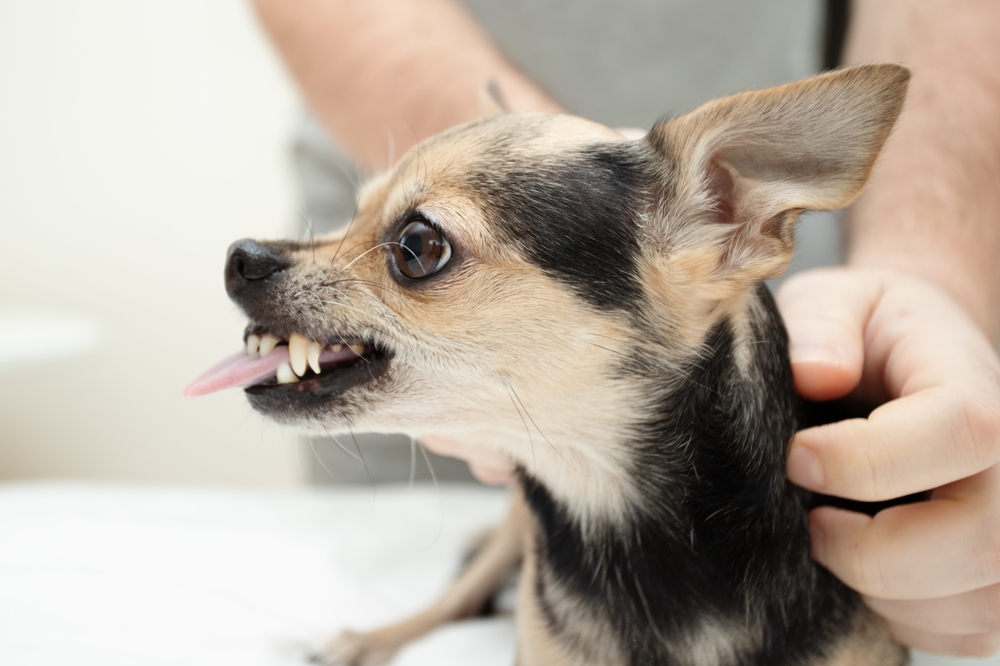
🚨 Strong indicators include:
-
Aggression appears suddenly
-
Dog reacts only when touched or moved
-
Behavior is out of character
-
Aggression is worse in certain positions
-
Dog also shows stiffness, limping, or lethargy
Pain-based aggression often disappears when pain is treated.
What You Should Do Immediately
-
Stop physical corrections or discipline
-
Avoid handling painful areas
-
Restrict activity
-
Do NOT give human pain meds (toxic)
-
Schedule a veterinary exam as soon as possible
Tell your vet:
“My dog suddenly became aggressive, and I’m worried he’s in pain.”
How Vets Identify Pain-Related Aggression
Your veterinarian may:
-
Perform orthopedic and neurological exams
-
Examine ears, mouth, and spine
-
Run blood tests
-
Use imaging (X-ray, ultrasound, MRI if needed)
Finding the pain source often resolves the aggression.
When This Is an Emergency
🚨 Go to urgent care if your dog:
-
Becomes aggressive AND cannot walk
-
Cries out in pain
-
Has sudden paralysis or weakness
-
Has abdominal swelling or collapse
These can signal life-threatening conditions.
Can Dogs Return to Normal After Pain-Aggression?
Yes—very often.
-
Once pain is managed
-
With proper rest and medication
-
Sometimes with temporary behavior support
Punishing pain-based aggression makes it far worse and more dangerous.
Final Takeaway
When a dog becomes aggressive suddenly, pain should always be the first thing ruled out. Dogs don’t explain discomfort with words—they explain it with behavior.
🐾 Treat the pain, and the aggression often fades. Ignore the pain, and the behavior escalates.